Wide Reads
Literature MattersLife IndexEducators
Sign in
Where to Begin

The Last Night at Home — Tess of the d'Urbervilles

Tess of the d'Urbervilles - The Last Night at Home

Thomas Hardy

Tess of the d'Urbervilles

The Last Night at Home

Home›Books›Tess of the d'Urbervilles›Chapter 51: The Last Night at Home
Previous
51 of 59
Next

Analysis by the Wide Reads editorial team·Reviewed against the source text·Updated December 3, 2025

Summary

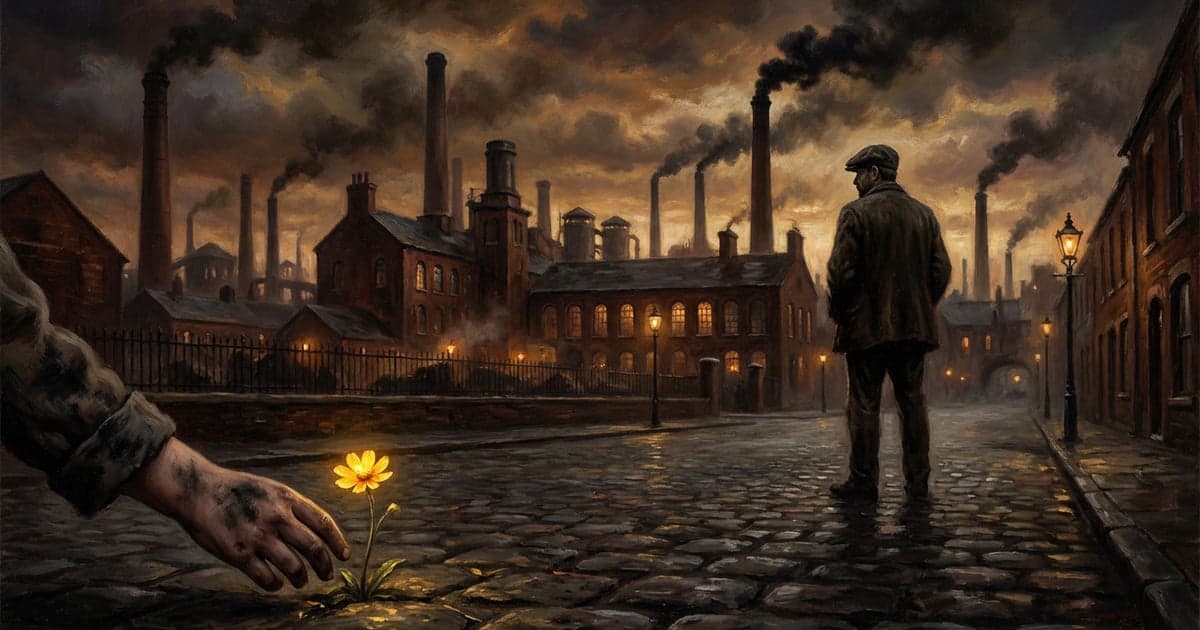
On the eve of Old Lady-Day, moving day for agricultural workers, the Durbeyfield family faces eviction from their ancestral home. Hardy paints a broader picture of rural England's transformation - stable communities being broken apart by economic change, with families like skilled craftsmen and small farmers forced into cities. The Durbeyfields must leave because Tess's 'fallen' status has made them undesirable tenants in a village that wants to maintain its moral reputation. As Tess keeps house alone on their last night, Alec d'Urberville appears at her window, offering shelter at his estate. He's abandoned his religious conversion and returned to his manipulative ways, using the family's desperation as leverage. Despite his promises and guarantees, Tess refuses his offer, knowing the danger it represents. In her anger and isolation, she writes a bitter letter to Angel, finally admitting her resentment at his harsh judgment. The chapter ends with her younger siblings singing a hymn about suffering and heavenly reunion, while Tess struggles with the reality that she must be their earthly providence since heavenly help seems absent. The juxtaposition of innocent faith against harsh reality underscores Tess's impossible position - cast out by society yet responsible for her family's survival.

In this chapter: Terms Characters Key Quotes Themes Modern Story

Why This Matters

Connect literature to life

Skill: Detecting Manipulation Timing

People often discover how cruel social rules can be only when innocence offers no protection against a verdict already decided. Hardy paints a broader picture of rural England's transformation - stable communities being broken apart by economic change, with families like skilled craftsmen and small farmers forced into cities. This week, notice when shame makes you blame yourself for harm someone else caused or power someone else abused.

Coming Up in Chapter 52

The Durbeyfield family begins their journey to Kingsbere, but their new lodgings may not provide the fresh start they desperately need. Meanwhile, Tess's refusal of Alec's offer sets the stage for even more difficult choices ahead.

Share it with friends

PreviousPrevious ChapterNextNext Chapter
Original text
2,655 wordscomplete

Chapter 51

The Last Night at Home

LI At length it was the eve of Old Lady-Day, and the agricultural world was in a fever of mobility such as only occurs at that particular date of the year. It is a day of fulfilment; agreements for outdoor service during the ensuing year, entered into at Candlemas, are to be now carried out. The labourers—or “work-folk”, as they used to call themselves immemorially till the other word was introduced from without—who wish to remain no longer in old places are removing to the new farms. These annual migrations from farm to farm were on the increase here. When…

Public-domain chapter text, formatted for reading.

Master this chapter. Complete your experience

Purchase the complete book to access all chapters and support classic literature

Buy at Powell'sBuy on Amazon

Available in paperback, hardcover, and e-book formats

Now let's explore the literary elements.

Key Quotes & Analysis

"The Egypt of one family was the Land of Promise to the family who saw it from a distance, till by residence there it became in turn their Egypt also; and so they changed and changed."

— Narrator

Context: Describing why families keep moving from farm to farm each year

Hardy uses biblical imagery to show how hope keeps people trapped in cycles of disappointment. The grass always looks greener elsewhere, but the system itself ensures no real escape. It's about false hope keeping people moving rather than organizing for change.

In Today's Words:

Every new job looks perfect until you actually work there, then you're looking for the next one to save you. The same pressure shows up today when shame, class pride, or fear of judgment keeps people silent about harm done to them or power used against them.

"LI At length it was the eve of Old Lady-Day, and the agricultural world was in a fever of mobility such as only occurs at that particular date of the year."

— Narrator

Context: From the opening of the chapter

This line anchors the scene's pressure and shows how class, shame, or double standards can harden before anyone offers mercy.

In Today's Words:

In plain terms, the passage says: LI At length it was the eve of Old Lady-Day, and the agricultural world was in a fever of mobility such as only occurs at that particular d Readers still recognize the same dynamic when society punishes the vulnerable while excusing the powerful.

"It is a day of fulfilment; agreements for outdoor service during the ensuing year, entered into at Candlemas, are to be now carried out."

— Narrator

Context: From the opening of the chapter

This line anchors the scene's pressure and shows how class, shame, or double standards can harden before anyone offers mercy.

In Today's Words:

In plain terms, the passage says: It is a day of fulfilment; agreements for outdoor service during the ensuing year, entered into at Candlemas, are to be now carried out. Readers still recognize the same dynamic when society punishes the vulnerable while excusing the powerful.

"These annual migrations from farm to farm were on the increase here."

— Narrator

Context: From the opening of the chapter

This line anchors the scene's pressure and shows how class, shame, or double standards can harden before anyone offers mercy.

In Today's Words:

In plain terms, the passage says: These annual migrations from farm to farm were on the increase here. Readers still recognize the same dynamic when society punishes the vulnerable while excusing the powerful. The same pressure shows up today when shame, class pride, or fear of judgment keeps people silent about harm done to them

Thematic Threads

Class

In This Chapter

The Durbeyfields face eviction not just for poverty but because Tess's 'fallen' status makes them undesirable tenants to a village protecting its reputation

Development

Evolved from earlier focus on bloodline and ancestry to showing how moral reputation intersects with economic vulnerability

In Your Life:

You might find yourself excluded from opportunities not just for lack of money, but because others judge your family's choices or past mistakes.

Manipulation

In This Chapter

Alec times his offer perfectly to coincide with maximum family desperation, abandoning his religious persona when it no longer serves his purposes

Development

His manipulation has become more sophisticated, using external circumstances rather than just personal charm

In Your Life:

You might recognize someone who only appears in your life when you're struggling, offering help that comes with strings attached.

Responsibility

In This Chapter

Tess realizes she must be her siblings' 'earthly providence' since heavenly help seems absent, bearing adult burdens while still young

Development

Her sense of family obligation has intensified as their circumstances worsen and options disappear

In Your Life:

You might feel torn between protecting yourself and sacrificing for family members who depend on you.

Social_Expectations

In This Chapter

The community's need to maintain moral reputation drives out families associated with scandal, regardless of actual character

Development

Shows how social expectations operate as economic forces, not just personal judgments

In Your Life:

You might find that one family member's reputation affects everyone's opportunities in small communities or tight-knit workplaces.

Isolation

In This Chapter

Tess faces this crisis alone while her family sleeps, writing bitter letters to Angel who remains absent in her hour of need

Development

Her isolation has deepened from physical separation to emotional abandonment by those who should support her

In Your Life:

You might recognize the weight of making crucial decisions alone when the people who should help you are physically or emotionally unavailable.

You now have the context. Time to form your own thoughts.

Discussion Questions

This is not a test. Five prompts guide you through the chapter, from how it opens to how it closes, so you notice context and rhythm rather than facts to memorize. Sit with each question in your own words. When you see "One way to read it," treat it as a starting point, not the only answer.

  1. 1

    What situation opens "The Last Night at Home", and what is at stake for Tess or the people around her?

    ▶One way to read it

    On the eve of Old Lady-Day, moving day for agricultural workers, the Durbeyfield family faces eviction from their ancestral home.

    analysis • surface
  2. 2

    How does the middle of "The Last Night at Home" test dignity, loyalty, or survival under pressure?

    ▶One way to read it

    He's abandoned his religious conversion and returned to his manipulative ways, using the family's desperation as leverage.

    analysis • medium
  3. 3

    Where in "The Last Night at Home" do class, gender, or family obligations pull in opposite directions?

    ▶One way to read it

    He's abandoned his religious conversion and returned to his manipulative ways, using the family's desperation as leverage.

    application • medium
  4. 4

    What does the closing movement of "The Last Night at Home" suggest about justice, love, or self-knowledge?

    ▶One way to read it

    The juxtaposition of innocent faith against harsh reality underscores Tess's impossible position - cast out by society yet responsible for her family's survival.

    application • deep
  5. 5

    After "The Last Night at Home", what would you do differently if you were trying to resist shame without surrendering your values?

    ▶One way to read it

    The juxtaposition of innocent faith against harsh reality underscores Tess's impossible position - cast out by society yet responsible for her family's survival.

    reflection • deep

Critical Thinking Exercise

10 minutes

Recognize the Desperation Leverage Pattern

Think of a time when someone made you an offer during a stressful or desperate moment - a job opportunity during unemployment, a loan when bills were due, or help during a crisis. Write down the situation and analyze: What made you vulnerable? How did the timing affect your thinking? What would you have decided if you'd had six months to consider it?

Consider:

  • •Notice how urgency affects your decision-making process
  • •Consider what the person offering help might gain from your desperation
  • •Think about what questions you didn't ask because you felt pressured

Journaling Prompt

Write about a time when you felt trapped between accepting help that came with strings attached or facing a crisis alone. How did you navigate that situation, and what would you do differently now?

Coming Up Next...

Chapter 52: Moving Day and Ancient Ghosts

The Durbeyfield family begins their journey to Kingsbere, but their new lodgings may not provide the fresh start they desperately need. Meanwhile, Tess's refusal of Alec's offer sets the stage for even more difficult choices ahead.

Continue to Chapter 52
Previous
When Life Shifts Beneath Your Feet
Contents
Next
Moving Day and Ancient Ghosts
Keep exploring

Continue Exploring

Study guides, teaching tools, themes, and the full library.More ways to read Tess of the d'Urbervilles: study guides, teaching tools, and the wider library.

  • Tess of the d'Urbervilles Study Guide
  • Teaching Resources
  • Essential Life Index
  • Browse by Theme
  • All Books

Life-skill deep dives in Tess of the d'Urbervilles

  • Recognizing Systemic InjusticeSee how society
  • Resisting ShameSeparate who you are from what happened to you through Tess Durbeyfield
  • Understanding Double StandardsRecognize when the same actions are judged differently based on who commits them.
Social Class & StatusMoral Dilemmas & EthicsIdentity & Self-Discovery

You Might Also Like

Jude the Obscure cover

Jude the Obscure

Thomas Hardy

Also by Thomas Hardy

Far from the Madding Crowd cover

Far from the Madding Crowd

Thomas Hardy

Also by Thomas Hardy

A Tale of Two Cities cover

A Tale of Two Cities

Charles Dickens

Explores society & class

Hard Times cover

Hard Times

Charles Dickens

Explores society & class

Browse all 106+ books

Share This Chapter

Know someone who'd enjoy this? Spread the wisdom!

TwitterFacebookLinkedInEmail

Go further with Prestige

Unlock study guides and downloads, early access, and exclusive content — and support free access for everyone.

Subscribe to PrestigeCreate free account
Intelligence Amplifier
Intelligence Amplifier™Powering Wide Reads

Exploring human-AI collaboration through books, essays, and philosophical dialogues. Classic literature transformed into navigational maps for modern life.

2025 Books

→ The Amplified Human Spirit→ The Alarming Rise of Stupidity Amplified→ San Francisco: The AI Capital of the World
Visit intelligenceamplifier.org
hello@widereads.com

WideReads Originals

→ You Are Not Lost→ The Last Chapter First→ The Lit of Love→ Wealth and Poverty→ Wisdom for the Wounded
Arvintech
arvintechAmplify your Mind
Visit at arvintech.com

Navigate

  • Home
  • Library
  • Essential Life Index
  • How It Works
  • Subscribe
  • Account
  • About
  • Contact
  • Authors
  • Suggest a Book
  • Landings

Made For You

  • Trending
  • Students
  • Educators
  • Families
  • Readers
  • Literary Analysis
  • Finding Purpose
  • Letting Go
  • Recovering from a Breakup
  • Corruption
  • Gaslighting in the Classics

Newsletter

Weekly insights from the classics. Amplify Your Mind.

Legal

  • Privacy Policy
  • Terms of Service
  • Editorial Standards
  • Cookie Policy
  • Accessibility

Why Public Domain?

We focus on public domain classics because these timeless works belong to everyone. No paywalls, no restrictions—just wisdom that has stood the test of centuries, freely accessible to all readers.

Public domain books have shaped humanity's understanding of love, justice, ambition, and the human condition. By amplifying these works, we help preserve and share literature that truly belongs to the world.

A Pilgrimage

Powell's City of Books

Portland, Oregon

If you ever find yourself in Portland, walk to the corner of Burnside and 10th. The building takes up an entire city block. Inside is over a million books, new and used on the same shelf, organized by color-coded rooms with names like the Rose Room and the Pearl Room. You can lose an afternoon. You can lose a weekend. You will find a book you have been looking for your whole life, and three you did not know existed.

It is a pilgrimage. We cannot find a bookstore like it anywhere on earth. If you read the classics, and you ever get the chance, go. It belongs on every reader's bucket list.

Visit powells.com

We are not in any way affiliated with Powell's. We are just a very big fan.

© 2026 Wide Reads™. All Rights Reserved.

Intelligence Amplifier™ and Wide Reads™ are proprietary trademarks of Arvin Lioanag.

Copyright Protection: All original content, analyses, discussion questions, pedagogical frameworks, and methodology are protected by U.S. and international copyright law. Unauthorized reproduction, distribution, web scraping, or use for AI training is strictly prohibited. See our Copyright Notice for details.

Disclaimer: The information provided on this website is for general informational and educational purposes only and does not constitute professional, legal, financial, or technical advice. While we strive to ensure accuracy and relevance, we make no warranties regarding completeness, reliability, or suitability. Any reliance on such information is at your own risk. We are not liable for any losses or damages arising from use of this site. By using this site, you agree to these terms.