Master this chapter. Complete your experience
Purchase the complete book to access all chapters and support classic literature
As an Amazon Associate, we earn a small commission from qualifying purchases at no additional cost to you.
Available in paperback, hardcover, and e-book formats
Why This Matters
Connect literature to life
This chapter teaches how predators use your vulnerability against you, disguising boundary violations as kindness or opportunity.
Practice This Today
This week, notice when someone offering help makes you uncomfortable—trust that feeling even if you need what they're offering.
Now let's explore the literary elements.
Key Quotes & Analysis
"You must try your friends. Do ye know that there is a very rich Mrs d'Urberville living on the outskirts o' The Chase, who must be our relation?"
Context: Joan pressures Tess to approach the wealthy d'Urbervilles for help after their financial disaster
This shows how economic desperation makes families exploit any possible connection. Joan sees their supposed noble blood as a resource to be mined, not understanding the dangers she's sending Tess into.
In Today's Words:
You need to hit up those rich relatives we barely know - family is family, and they owe us something.
"Well, my Beauty, what can I do for you?"
Context: Alec's first words to Tess when they meet, immediately focusing on her appearance
This reveals Alec's predatory nature from the start. He doesn't see her as a person with a legitimate request, but as a beautiful object for his entertainment.
In Today's Words:
Well hello there, gorgeous - what brings you to see me?
"The oppressive sense of the harm she had done led Tess to be more deferential than she might otherwise have been to the mother's wishes"
Context: Explaining why Tess agrees to visit the d'Urbervilles despite her reservations
Hardy shows how guilt can make us vulnerable to manipulation. Tess's sense of responsibility for the family's problems makes her ignore her own instincts about this dangerous plan.
In Today's Words:
Because she felt so guilty about messing up, Tess went along with her mom's scheme even though it felt wrong.
Thematic Threads
Class Deception
In This Chapter
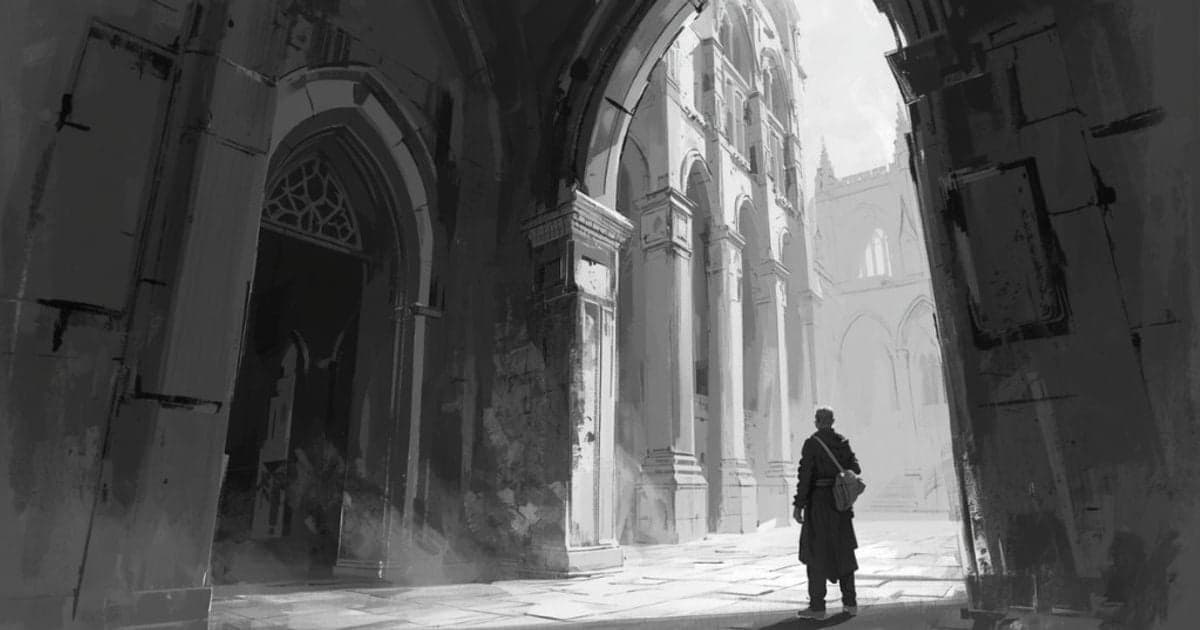
The d'Urbervilles are frauds who bought their noble name from a genealogy book, representing nouveau riche pretension rather than ancient nobility
Development
Introduced here - reveals the hollow nature of the class system Tess's family hopes will save them
In Your Life:
You might encounter people who use fake credentials, borrowed status, or purchased authority to seem more legitimate than they are
Economic Vulnerability
In This Chapter
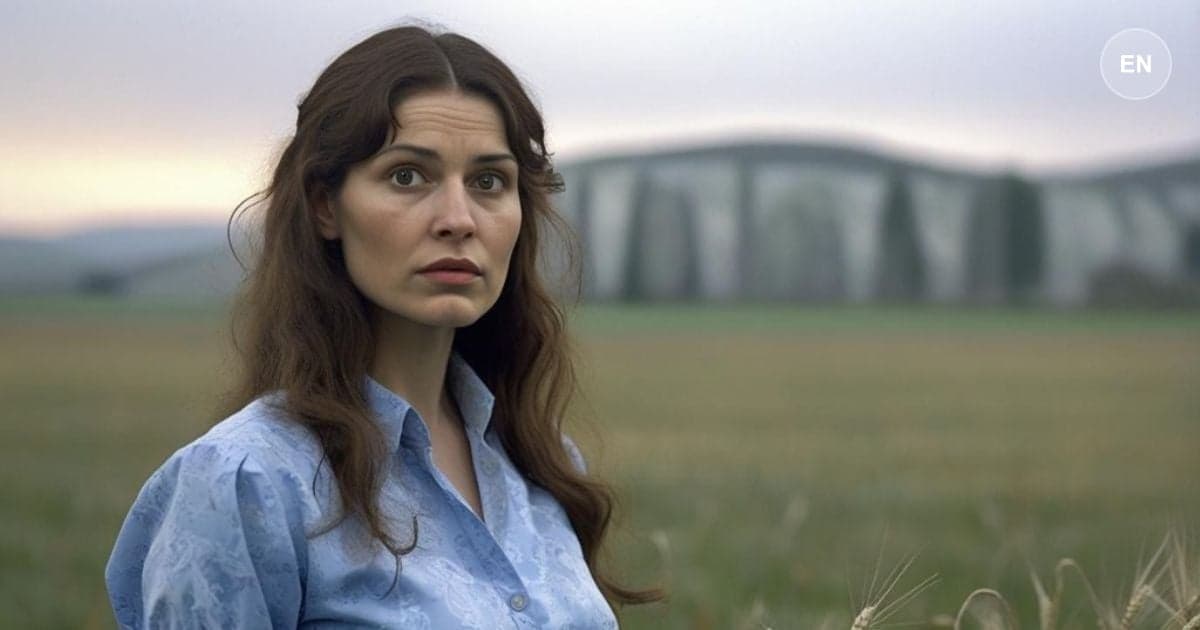
Tess's guilt over killing the horse forces her into this dangerous situation despite her instincts warning her away
Development
Builds on the family's poverty established earlier, now showing how desperation creates exploitable moments
In Your Life:
Financial pressure might push you to accept help or opportunities that feel wrong but seem necessary for survival
Predatory Recognition
In This Chapter
Alec immediately identifies Tess as vulnerable and begins manipulating the encounter with physical boundary violations
Development
Introduced here - establishes the predator-prey dynamic that will drive the tragedy
In Your Life:
You might notice how certain people seem to instantly identify when you're struggling and offer help that comes with uncomfortable strings attached
Misplaced Guilt
In This Chapter
Tess's overwhelming guilt about the horse accident makes her feel obligated to pursue help she doesn't want
Development
Develops from her taking responsibility for family problems in earlier chapters
In Your Life:
Your sense of responsibility for family crises might make you accept situations that compromise your safety or values
Appearance vs Reality
In This Chapter
The Slopes estate looks impressive but represents purchased rather than inherited status, while Alec's charm masks predatory intentions
Development
Introduced here - begins the theme of things not being what they seem
In Your Life:
You might find that impressive appearances or charming behavior often hide less admirable realities underneath
You now have the context. Time to form your own thoughts.
Discussion Questions
- 1
What warning signs does Tess notice about Alec, and why does she ignore them?
analysis • surface - 2
How does Tess's guilt about the horse make her vulnerable to manipulation?
analysis • medium - 3
Where do you see people today accepting help from someone who makes them uncomfortable because they're desperate?
application • medium - 4
What strategies could help someone distinguish between genuine help and exploitation when they're in crisis?
application • deep - 5
What does this chapter reveal about how predators identify and target vulnerable people?
reflection • deep
Critical Thinking Exercise
Map the Red Flags
Create two lists: everything about Alec's behavior that should have warned Tess away, and everything about her situation that made her ignore those warnings. Then think about a time when you or someone you know needed help - what red flags might you watch for in the people offering assistance?
Consider:
- •Notice how Alec immediately crosses physical boundaries and uses possessive language
- •Consider how guilt and family pressure can cloud judgment about dangerous situations
- •Think about why people who exploit others often target moments of crisis or vulnerability
Journaling Prompt
Write about a time when you needed help and had to evaluate whether someone's offer was genuine or came with hidden costs. What did you learn about protecting yourself while still accepting assistance?
Coming Up Next...
Chapter 6: The Weight of Family Pressure
Alec d'Urberville wastes no time following up on his interest in Tess, arriving at the Durbeyfield cottage with an offer that seems too good to refuse—but comes with strings attached that will change Tess's life forever.