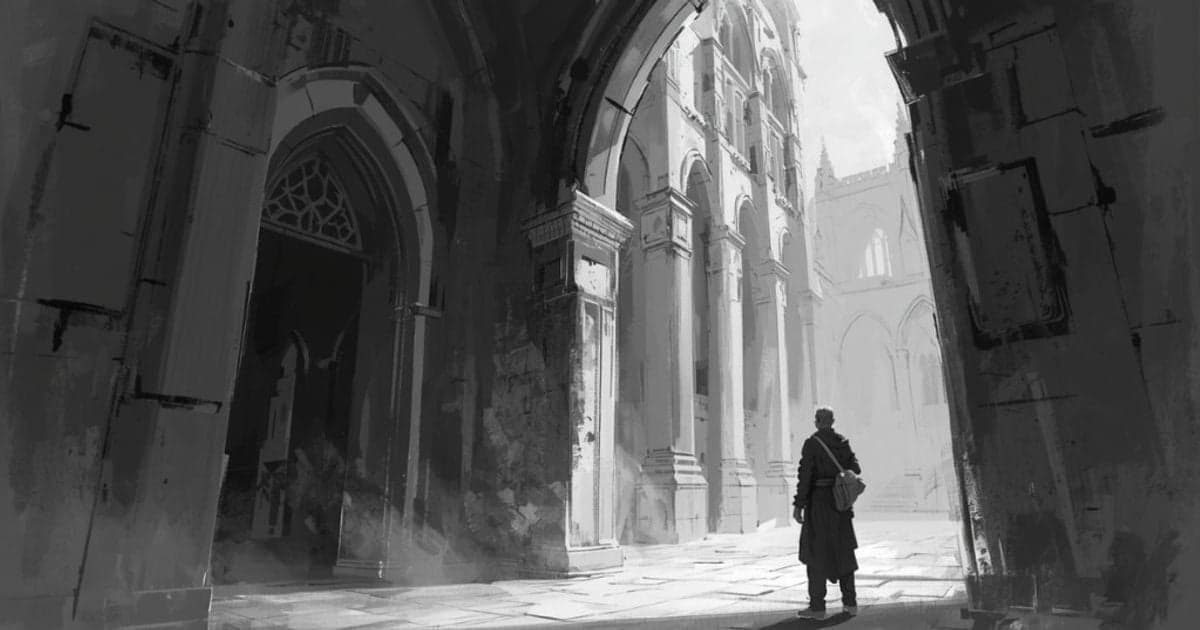
Chapter 39
The Weight of Deception
XXXIX It was three weeks after the marriage that Clare found himself descending the hill which led to the well-known parsonage of his father. With his downward course the tower of the church rose into the evening sky in a manner of inquiry as to why he had come; and no living person in the twilighted town seemed to notice him, still less to expect him. He was arriving like a ghost, and the sound of his own footsteps was almost an encumbrance to be got rid of. The picture of life had changed for him. Before this time he…
Public-domain chapter text, formatted for reading.
Master this chapter. Complete your experience
Purchase the complete book to access all chapters and support classic literature

Available in paperback, hardcover, and e-book formats
Now let's explore the literary elements.
Key Quotes & Analysis
"She is spotless!"
Context: Defending Tess to his mother while lying about their situation
The irony is devastating - Angel knows Tess is pure and good, yet he abandoned her for not being 'pure' enough. His passionate defense shows he knows the truth but can't act on it due to his prejudices.
In Today's Words:
She's perfect! (Even though I left her for not being perfect enough for me.) The same pressure shows up today when shame, class pride, or fear of judgment keeps people silent about harm done to them or power used against them. The same pressure shows up today when shame, class pride, or fear of judgment
"XXXIX It was three weeks after the marriage that Clare found himself descending the hill which led to the well-known parsonage of his father."
Context: From the opening of the chapter
This line anchors the scene's pressure and shows how class, shame, or double standards can harden before anyone offers mercy.
In Today's Words:
In plain terms, the passage says: XXXIX It was three weeks after the marriage that Clare found himself descending the hill which led to the well-known parsonage of his fathe Readers still recognize the same dynamic when society punishes the vulnerable while excusing the powerful.
"He was arriving like a ghost, and the sound of his own footsteps was almost an encumbrance to be got rid of."
Context: From the opening of the chapter
This line anchors the scene's pressure and shows how class, shame, or double standards can harden before anyone offers mercy.
In Today's Words:
In plain terms, the passage says: He was arriving like a ghost, and the sound of his own footsteps was almost an encumbrance to be got rid of. Readers still recognize the same dynamic when society punishes the vulnerable while excusing the powerful. The same pressure shows up today when shame, class pride, or fear
"The picture of life had changed for him."
Context: From the opening of the chapter
This line anchors the scene's pressure and shows how class, shame, or double standards can harden before anyone offers mercy.
In Today's Words:
In plain terms, the passage says: The picture of life had changed for him. Readers still recognize the same dynamic when society punishes the vulnerable while excusing the powerful. The same pressure shows up today when shame, class pride, or fear of judgment keeps people silent about harm done to them or power used against
Thematic Threads
Deception
In This Chapter
Angel weaves elaborate lies about Tess's whereabouts to protect his parents from the truth
Development
Evolved from Angel's self-deception about his progressive values to active deception of others
In Your Life:
You might catch yourself embellishing stories to maintain someone's good opinion of you
Class
In This Chapter
Angel's 'refined' upbringing makes him unable to handle the messy reality of Tess's past
Development
Deepened from early class tensions to show how privilege creates moral blindness
In Your Life:
You might judge others more harshly when their struggles don't match your background
Identity
In This Chapter
Angel's identity as 'the good son' traps him in lies rather than honest confession
Development
Progressed from Angel defining himself against convention to being enslaved by family expectations
In Your Life:
You might find yourself performing a version of yourself that others expect rather than who you are
Cowardice
In This Chapter
Angel plans to flee to Brazil rather than face his marriage or his lies
Development
Escalated from emotional abandonment of Tess to complete physical escape from consequences
In Your Life:
You might recognize the urge to run away from problems rather than work through them
Social Expectations
In This Chapter
His parents' innocent faith in his judgment becomes unbearable pressure to maintain the lie
Development
Intensified from societal judgment to family expectations becoming emotional prison
In Your Life:
You might feel crushed by loved ones' expectations even when they're meant with love
You now have the context. Time to form your own thoughts.
Discussion Questions
This is not a test. Five prompts guide you through the chapter, from how it opens to how it closes, so you notice context and rhythm rather than facts to memorize. Sit with each question in your own words. When you see "One way to read it," treat it as a starting point, not the only answer.
- 1
What situation opens "The Weight of Deception", and what is at stake for Tess or the people around her?
analysis • surfaceOne way to read it
Three weeks after abandoning Tess, Angel Clare returns to his parents' home, planning to escape to Brazil.
- 2
How does the middle of "The Weight of Deception" test dignity, loyalty, or survival under pressure?
analysis • mediumOne way to read it
His mother's innocent questions probe closer to the truth, asking if there's been trouble in the marriage.
- 3
Where in "The Weight of Deception" do class, gender, or family obligations pull in opposite directions?
application • mediumOne way to read it
His mother's innocent questions probe closer to the truth, asking if there's been trouble in the marriage.
- 4
What does the closing movement of "The Weight of Deception" suggest about justice, love, or self-knowledge?
application • deepOne way to read it
His plan to flee to Brazil represents the ultimate act of cowardice, abandoning both his wife and his problems rather than facing them.
- 5
After "The Weight of Deception", what would you do differently if you were trying to resist shame without surrendering your values?
reflection • deepOne way to read it
His plan to flee to Brazil represents the ultimate act of cowardice, abandoning both his wife and his problems rather than facing them.
Critical Thinking Exercise
Map Your Reputation Trap
Think of a role where people see you as 'the reliable one' - at work, in family, with friends. Write down what people expect from you in this role, then list what you actually struggle with that they don't see. Finally, imagine telling one trusted person about one real struggle. What would actually happen versus what you fear would happen?
Consider:
- •Consider how maintaining a perfect image might be costing you authentic connection
- •Think about whether your fear of disappointing others is realistic or exaggerated
- •Notice if you're protecting others' feelings or protecting your own image
Journaling Prompt
Write about a time when you lied or covered up a mistake to protect your reputation. Looking back, what would have happened if you'd been honest? How did the lie affect your relationships and your own peace of mind?
Coming Up Next...
Chapter 40: The Moment of Almost Betrayal
Angel's escape plan takes shape, but his parents' continued questions about Tess threaten to unravel his carefully constructed lies. Meanwhile, the weight of his deception grows heavier with each passing hour. The opening of XL will force Tess to act faster than she expected, and the choice she makes there will echo through every relationship still ahead.