Chapter 36
The Morning After Revelation
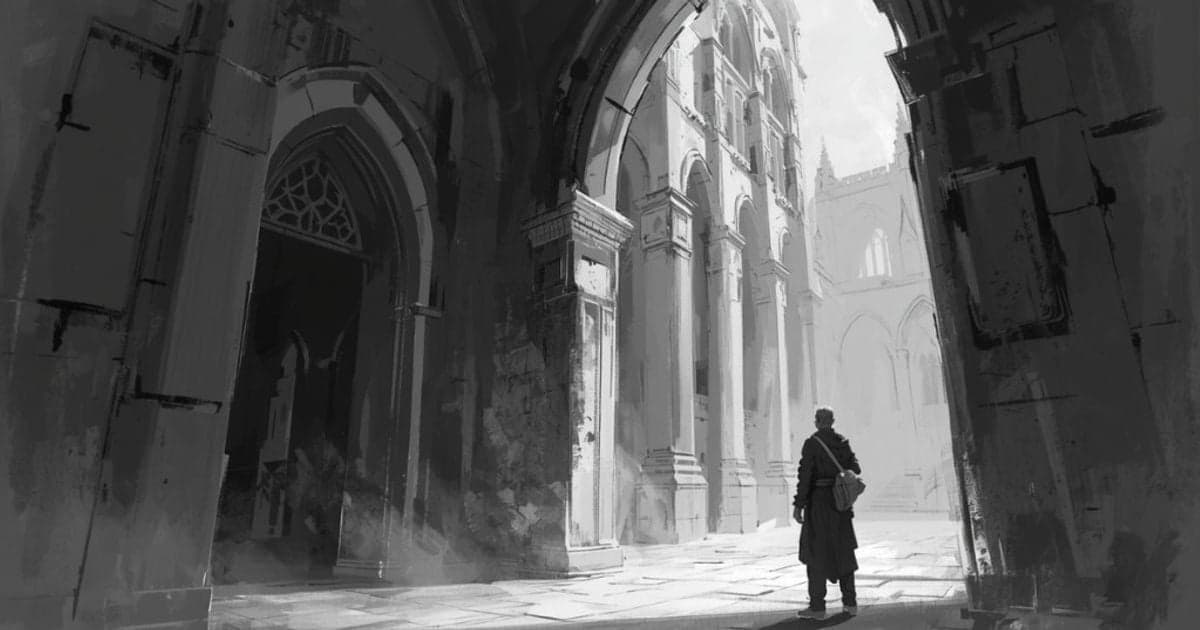
XXXVI Clare arose in the light of a dawn that was ashy and furtive, as though associated with crime. The fireplace confronted him with its extinct embers; the spread supper-table, whereon stood the two full glasses of untasted wine, now flat and filmy; her vacated seat and his own; the other articles of furniture, with their eternal look of not being able to help it, their intolerable inquiry what was to be done? From above there was no sound; but in a few minutes there came a knock at the door. He remembered that it would be the neighbouring cottager’s…
Public-domain chapter text, formatted for reading.
Master this chapter. Complete your experience
Purchase the complete book to access all chapters and support classic literature
Available in paperback, hardcover, and e-book formats
Now let's explore the literary elements.
Key Quotes & Analysis
"Clare arose in the light of a dawn that was ashy and furtive, as though associated with crime."
Context: Angel waking up the morning after Tess's confession
The dawn itself feels guilty and shameful, reflecting Angel's mental state. Even nature seems tainted by what he now knows about Tess's past.
In Today's Words:
Angel woke up feeling like he was living in some kind of crime scene. The same pressure shows up today when shame, class pride, or fear of judgment keeps people silent about harm done to them or power used against them. The same pressure shows up today when shame, class pride, or fear of judgment
"XXXVI Clare arose in the light of a dawn that was ashy and furtive, as though associated with crime."
Context: From the opening of the chapter
This line anchors the scene's pressure and shows how class, shame, or double standards can harden before anyone offers mercy.
In Today's Words:
In plain terms, the passage says: XXXVI Clare arose in the light of a dawn that was ashy and furtive, as though associated with crime. Readers still recognize the same dynamic when society punishes the vulnerable while excusing the powerful. The same pressure shows up today when shame, class pride, or fear of judgment keeps
"From above there was no sound; but in a few minutes there came a knock at the door."
Context: From the opening of the chapter
This line anchors the scene's pressure and shows how class, shame, or double standards can harden before anyone offers mercy.
In Today's Words:
In plain terms, the passage says: From above there was no sound; but in a few minutes there came a knock at the door. Readers still recognize the same dynamic when society punishes the vulnerable while excusing the powerful. The same pressure shows up today when shame, class pride, or fear of judgment keeps people
"He remembered that it would be the neighbouring cottager’s wife, who was to minister to their wants while they remained here."
Context: From the opening of the chapter
This line anchors the scene's pressure and shows how class, shame, or double standards can harden before anyone offers mercy.
In Today's Words:
In plain terms, the passage says: He remembered that it would be the neighbouring cottager’s wife, who was to minister to their wants while they remained here. Readers still recognize the same dynamic when society punishes the vulnerable while excusing the powerful. The same pressure shows up today when shame, class pride, or fear of
Thematic Threads
Moral Rigidity
In This Chapter
Angel's inflexible moral code makes him unable to forgive or accept Tess's humanity
Development
Evolved from his earlier idealization of pure country life to devastating personal judgment
In Your Life:
You might see this when someone in your life can't forgive normal human mistakes and holds you to impossible standards.
Social Shame
In This Chapter
Angel's concern about their future children and social scandal drives his decision to separate
Development
Intensified from background social pressure to active force destroying their marriage
In Your Life:
You might feel this when making decisions based on what others might think rather than what's actually right for you.
Emotional Distance
In This Chapter
Angel and Tess live as polite strangers, maintaining form while destroying intimacy
Development
Progressed from passionate connection to complete emotional withdrawal
In Your Life:
You might experience this when conflict makes you shut down emotionally instead of working through problems together.
Self-Sacrifice
In This Chapter
Tess considers suicide and agrees to separation to protect Angel from scandal
Development
Continued pattern of Tess putting others' needs above her own survival
In Your Life:
You might do this when you consistently sacrifice your well-being to avoid making others uncomfortable.
Male Authority
In This Chapter
Angel makes unilateral decisions about their future while Tess accepts his judgment
Development
Reinforced pattern of men controlling women's choices throughout the story
In Your Life:
You might see this in relationships where one person assumes they have the right to make major decisions for both people.
You now have the context. Time to form your own thoughts.
Discussion Questions
This is not a test. Five prompts guide you through the chapter, from how it opens to how it closes, so you notice context and rhythm rather than facts to memorize. Sit with each question in your own words. When you see "One way to read it," treat it as a starting point, not the only answer.
- 1
What situation opens "The Morning After Revelation", and what is at stake for Tess or the people around her?
analysis • surfaceOne way to read it
Angel and Tess wake to face their first full day after her confession about Alec d'Urberville.
- 2
How does the middle of "The Morning After Revelation" test dignity, loyalty, or survival under pressure?
analysis • mediumOne way to read it
Angel goes through the motions of learning the milling business while Tess keeps house, both maintaining painful politeness.
- 3
Where in "The Morning After Revelation" do class, gender, or family obligations pull in opposite directions?
application • mediumOne way to read it
Angel goes through the motions of learning the milling business while Tess keeps house, both maintaining painful politeness.
- 4
What does the closing movement of "The Morning After Revelation" suggest about justice, love, or self-knowledge?
application • deepOne way to read it
The chapter shows how love alone cannot overcome fundamental incompatibilities in values and social expectations.
- 5
After "The Morning After Revelation", what would you do differently if you were trying to resist shame without surrendering your values?
reflection • deepOne way to read it
The chapter shows how love alone cannot overcome fundamental incompatibilities in values and social expectations.
Critical Thinking Exercise
Decode the Impossible Standards
Think of someone in your life who seems impossible to please - they always find something wrong, move the goalposts, or bring up past mistakes. Write down three specific examples of their behavior, then ask: What might they be protecting by demanding perfection? What would happen to their self-image if they accepted human flaws?
Consider:
- •Look for patterns in when they raise their standards highest
- •Notice if they apply the same impossible standards to themselves
- •Consider what they might fear about accepting imperfection
Journaling Prompt
Write about a time when you realized someone's love came with conditions you could never meet. How did you handle it, and what would you do differently now?
Coming Up Next...
Chapter 37: The Sleepwalking Truth
As Angel and Tess prepare for their separation, the final arrangements reveal just how differently they view their marriage and future. The actual moment of parting will test whether any tenderness remains between them. The opening of XXXVII will force Tess to act faster than she expected, and the choice she makes there will echo through every relationship still ahead.