Chapter 16
Journey to the Valley of Hope
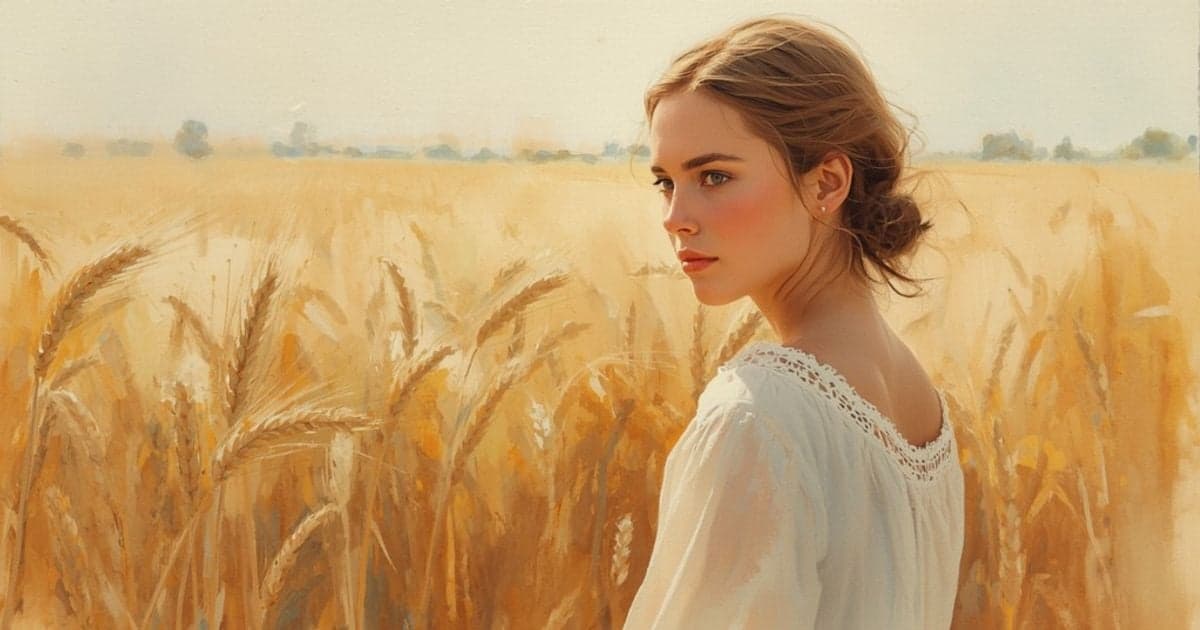
XVI On a thyme-scented, bird-hatching morning in May, between two and three years after the return from Trantridge—silent, reconstructive years for Tess Durbeyfield—she left her home for the second time. Having packed up her luggage so that it could be sent to her later, she started in a hired trap for the little town of Stourcastle, through which it was necessary to pass on her journey, now in a direction almost opposite to that of her first adventuring. On the curve of the nearest hill she looked back regretfully at Marlott and her father’s house, although she had been so…
Public-domain chapter text, formatted for reading.
Master this chapter. Complete your experience
Purchase the complete book to access all chapters and support classic literature

Available in paperback, hardcover, and e-book formats
Now let's explore the literary elements.
Key Quotes & Analysis
"were she to remain they would probably gain less good by her precepts than harm by her example"
Context: Tess thinking about leaving her younger siblings behind
This shows how deeply shame has affected Tess - she believes her presence would corrupt her siblings. It reveals both her self-sacrifice and the unfair burden of shame she carries.
In Today's Words:
She thought staying would hurt her little brothers and sisters more than help them The same pressure shows up today when shame, class pride, or fear of judgment keeps people silent about harm done to them or power used against them. The same pressure shows up today when shame, class pride, or fear of judgment
"The irresistible, universal, automatic tendency to find sweet pleasure somewhere, which pervades all life"
Context: Describing how Tess's spirits lift as she walks through the beautiful valley
Hardy shows that the human capacity for joy and hope is unstoppable, even after trauma. This suggests that healing and happiness are natural human tendencies, not luxuries.
In Today's Words:
People naturally find ways to be happy again, no matter what they've been through The same pressure shows up today when shame, class pride, or fear of judgment keeps people silent about harm done to them or power used against them. The same pressure shows up today when shame, class pride, or fear of judgment
"May, between two and three years after the return from Trantridge—silent, reconstructive years for Tess Durbeyfield—she left her home for the second time."
Context: From the opening of the chapter
This line anchors the scene's pressure and shows how class, shame, or double standards can harden before anyone offers mercy.
In Today's Words:
In plain terms, the passage says: May, between two and three years after the return from Trantridge, silent, reconstructive years for Tess Durbeyfield, she left her home for th Readers still recognize the same dynamic when society punishes the vulnerable while excusing the powerful. The same pressure shows up today when shame, class pride, or
"Stourcastle, through which it was necessary to pass on her journey, now in a direction almost opposite to that of her first adventuring."
Context: From the opening of the chapter
This line anchors the scene's pressure and shows how class, shame, or double standards can harden before anyone offers mercy.
In Today's Words:
In plain terms, the passage says: Stourcastle, through which it was necessary to pass on her journey, now in a direction almost opposite to that of her first adventuring. Readers still recognize the same dynamic when society punishes the vulnerable while excusing the powerful. The same pressure shows up today when shame, class pride, or
Thematic Threads
Class Identity
In This Chapter
Tess proudly claims her mother's working-class heritage instead of chasing aristocratic fantasies
Development
Complete reversal from earlier chapters where the d'Urberville name seemed like salvation
In Your Life:
You might catch yourself apologizing for your background instead of owning what made you strong
Independence
In This Chapter
Tess travels alone and makes her own decisions about where to work and how to live
Development
Sharp contrast to being controlled by others in previous chapters
In Your Life:
You might realize you're still asking permission for choices that are entirely yours to make
Healing
In This Chapter
The journey and new environment lift Tess's spirits and restore her sense of possibility
Development
Shows recovery from the trauma and shame of earlier experiences
In Your Life:
You might notice how certain places or activities naturally restore your energy and hope
Self-Worth
In This Chapter
Tess redefines her value based on her own character and choices, not others' treatment of her
Development
Evolved from the shame and self-blame that dominated after Trantridge
In Your Life:
You might catch yourself measuring your worth by how others treat you instead of who you choose to be
Fresh Starts
In This Chapter
The dairy represents honest work and genuine community, a chance to be valued for who she is
Development
First truly hopeful opportunity since the novel began
In Your Life:
You might recognize when you need to change your environment to change your story
You now have the context. Time to form your own thoughts.
Discussion Questions
This is not a test. Five prompts guide you through the chapter, from how it opens to how it closes, so you notice context and rhythm rather than facts to memorize. Sit with each question in your own words. When you see "One way to read it," treat it as a starting point, not the only answer.
- 1
What situation opens "Journey to the Valley of Hope", and what is at stake for Tess or the people around her?
analysis • surfaceOne way to read it
Three years after her traumatic experience at Trantridge, Tess leaves home again, this time on her own terms.
- 2
How does the middle of "Journey to the Valley of Hope" test dignity, loyalty, or survival under pressure?
analysis • mediumOne way to read it
As she walks, her spirits lift dramatically.
- 3
Where in "Journey to the Valley of Hope" do class, gender, or family obligations pull in opposite directions?
application • mediumOne way to read it
As she walks, her spirits lift dramatically.
- 4
What does the closing movement of "Journey to the Valley of Hope" suggest about justice, love, or self-knowledge?
application • deepOne way to read it
She's becoming someone new: a young woman who chooses her own path and defines her own worth.
- 5
After "Journey to the Valley of Hope", what would you do differently if you were trying to resist shame without surrendering your values?
reflection • deepOne way to read it
She's becoming someone new: a young woman who chooses her own path and defines her own worth.
Critical Thinking Exercise
Map Your Own Self-Redefinition Journey
Think of a time when you had to stop living by someone else's definition of who you should be. Draw a simple before-and-after comparison: What voices were defining you then vs. what you chose to value about yourself? What physical or mental distance did you create? What concrete step did you take toward your authentic life?
Consider:
- •Sometimes the voices defining us aren't malicious - they might be family, friends, or society with good intentions
- •Self-redefinition often means being proud of things others made you feel ashamed about
- •The environment around us - physical spaces, people, routines - can either support or undermine our authentic self
Journaling Prompt
Write about a current situation where you feel pressured to be someone you're not. What would your 'Valley of the Great Dairies' look like - what environment or circumstances would help you feel more authentically yourself?
Coming Up Next...
Chapter 17: New Beginnings at Talbothays Dairy
At the dairy, Tess will meet the people who will shape her future, including someone whose presence will change everything she thought she knew about love and second chances. The opening of XVII will force Tess to act faster than she expected, and the choice she makes there will echo through every relationship still ahead.