Chapter 11
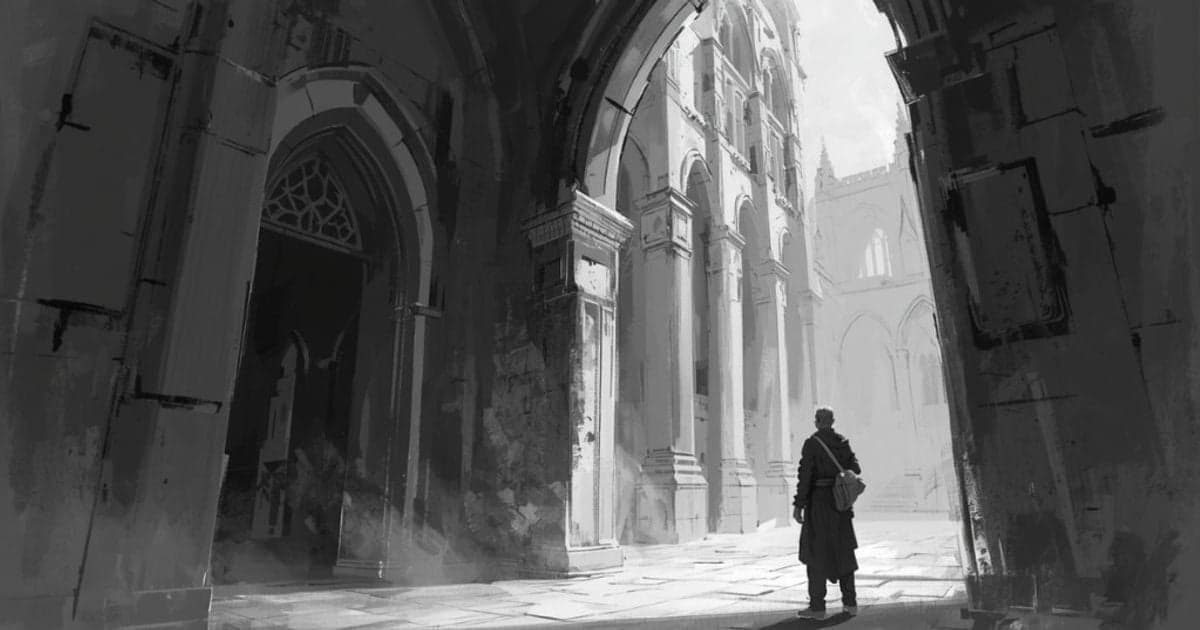
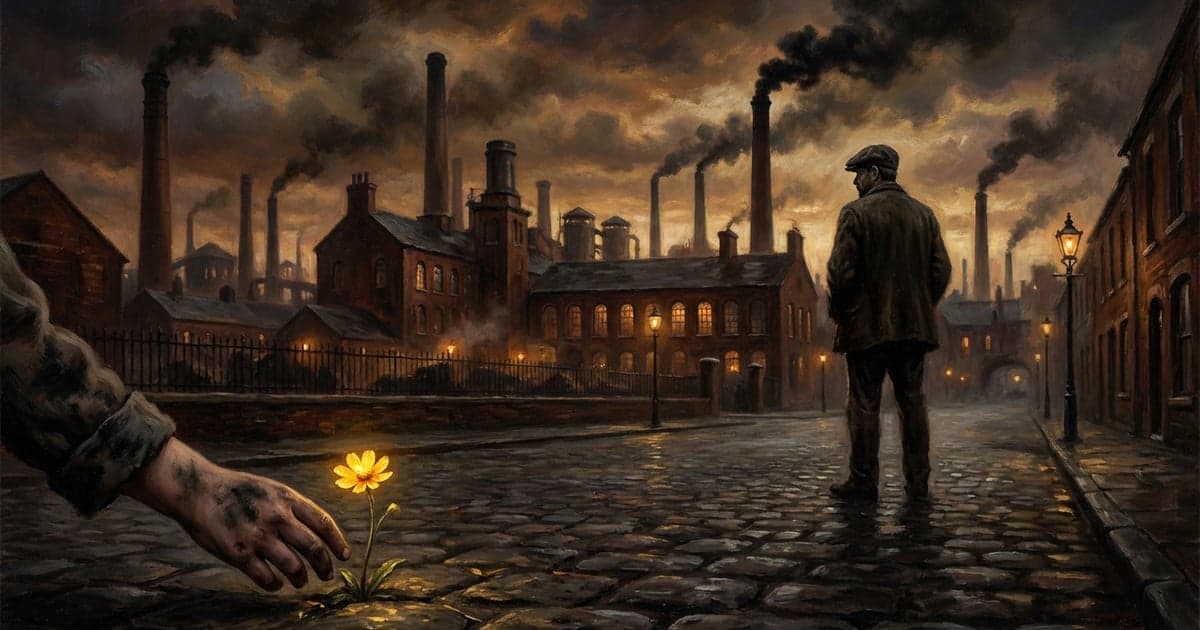
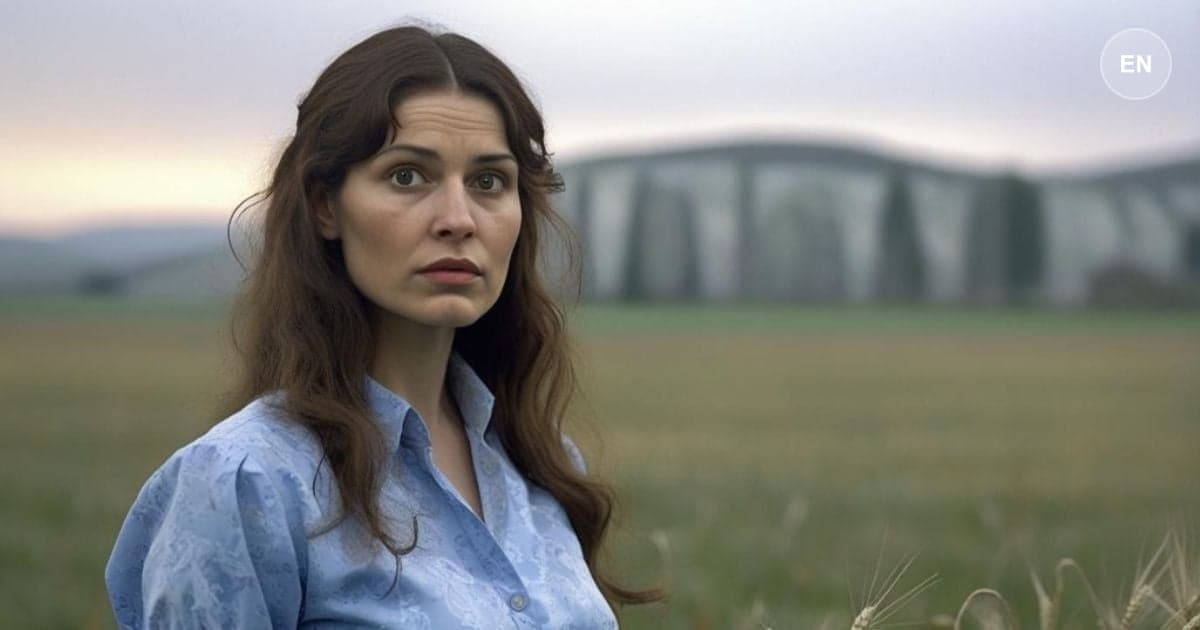
Into the Dark Wood
XI The twain cantered along for some time without speech, Tess as she clung to him still panting in her triumph, yet in other respects dubious. She had perceived that the horse was not the spirited one he sometimes rose, and felt no alarm on that score, though her seat was precarious enough despite her tight hold of him. She begged him to slow the animal to a walk, which Alec accordingly did. “Neatly done, was it not, dear Tess?” he said by and by. “Yes!” said she. “I am sure I ought to be much obliged to you.” “And…
Public-domain chapter text, formatted for reading.
Master this chapter. Complete your experience
Purchase the complete book to access all chapters and support classic literature
Available in paperback, hardcover, and e-book formats
Now let's explore the literary elements.
Key Quotes & Analysis
"I suppose—because I don't love you."
Context: When Alec asks why she dislikes his kisses
Tess states her boundary clearly and honestly. This destroys any claim that what happens later is consensual - she has explicitly said no to his advances.
In Today's Words:
I'm not into you like that. The same pressure shows up today when shame, class pride, or fear of judgment keeps people silent about harm done to them or power used against them. The same pressure shows up today when shame, class pride, or fear of judgment keeps people silent about harm done to them
"Because I cannot help myself here."
Context: Explaining why she hasn't told him when he makes her angry
Tess recognizes she's trapped and powerless. She knows that expressing anger would be dangerous for her and her family's security.
In Today's Words:
Because you hold all the cards and I can't do anything about it. The same pressure shows up today when shame, class pride, or fear of judgment keeps people silent about harm done to them or power used against them. The same pressure shows up today when shame, class pride, or fear of judgment keeps
"XI The twain cantered along for some time without speech, Tess as she clung to him still panting in her triumph, yet in other respects dubious."
Context: From the opening of the chapter
This line anchors the scene's pressure and shows how class, shame, or double standards can harden before anyone offers mercy.
In Today's Words:
In plain terms, the passage says: XI The twain cantered along for some time without speech, Tess as she clung to him still panting in her triumph, yet in other respects dubi Readers still recognize the same dynamic when society punishes the vulnerable while excusing the powerful.
"She had perceived that the horse was not the spirited one he sometimes rose, and felt no alarm on that score, though her seat was precarious enough despite her tight hold of him."
Context: From the opening of the chapter
This line anchors the scene's pressure and shows how class, shame, or double standards can harden before anyone offers mercy.
In Today's Words:
In plain terms, the passage says: She had perceived that the horse was not the spirited one he sometimes rose, and felt no alarm on that score, though her seat was precarious Readers still recognize the same dynamic when society punishes the vulnerable while excusing the powerful.
Thematic Threads
Power
In This Chapter
Alec uses his knowledge of the forest, his horse, and Tess's exhaustion to create a situation where she has no agency or escape
Development
Evolved from earlier displays of wealth and status to active manipulation of circumstances
In Your Life:
You might see this when someone controls information, resources, or timing to limit your choices
Deception
In This Chapter
Alec pretends to be lost while deliberately leading Tess deeper into isolation, lying about their location and his intentions
Development
Escalated from earlier half-truths about his family name to outright calculated deception
In Your Life:
You might encounter this when someone creates false emergencies or manufactured crises to justify their actions
Class
In This Chapter
Hardy explicitly connects Alec's behavior to his aristocratic ancestors who likely committed similar violence against peasant women
Development
Deepened from social positioning to reveal how class privilege enables and protects predatory behavior
In Your Life:
You might experience this when people use their professional status, connections, or resources to pressure you
Isolation
In This Chapter
Alec deliberately separates Tess from all help, using darkness, fog, and unfamiliar terrain to make her completely dependent on him
Development
Progressed from social isolation at the dance to complete physical isolation in the forest
In Your Life:
You might recognize this when someone consistently finds reasons why you can't reach out to others for help or perspective
Exhaustion
In This Chapter
Tess is worn down by her long day of work, the emotional stress of the journey, and the physical demands of travel
Development
Built from her ongoing family responsibilities to show how constant stress makes resistance harder
In Your Life:
You might notice this when someone times their demands for moments when you're already overwhelmed or depleted
You now have the context. Time to form your own thoughts.
Discussion Questions
This is not a test. Five prompts guide you through the chapter, from how it opens to how it closes, so you notice context and rhythm rather than facts to memorize. Sit with each question in your own words. When you see "One way to read it," treat it as a starting point, not the only answer.
- 1
What situation opens "Into the Dark Wood", and what is at stake for Tess or the people around her?
analysis • surfaceOne way to read it
Alec deliberately gets Tess lost in the ancient forest called The Chase, using the fog as cover for his deception.
- 2
How does the middle of "Into the Dark Wood" test dignity, loyalty, or survival under pressure?
analysis • mediumOne way to read it
He knows exactly where they are and has orchestrated this entire scenario.
- 3
Where in "Into the Dark Wood" do class, gender, or family obligations pull in opposite directions?
application • mediumOne way to read it
He knows exactly where they are and has orchestrated this entire scenario.
- 4
What does the closing movement of "Into the Dark Wood" suggest about justice, love, or self-knowledge?
application • deepOne way to read it
The fog and darkness serve as metaphors for the moral confusion Alec creates around Tess.
- 5
After "Into the Dark Wood", what would you do differently if you were trying to resist shame without surrendering your values?
reflection • deepOne way to read it
The fog and darkness serve as metaphors for the moral confusion Alec creates around Tess.
Critical Thinking Exercise
Map the Manipulation Timeline
Create a timeline of Alec's actions leading up to this moment, noting each 'kindness' he shows Tess and her family. Next to each act, write what obligation or dependency it creates. Then identify the moment when his true intentions become clear. This exercise helps you recognize the pattern before it reaches the dangerous endpoint.
Consider:
- •Notice how each 'gift' serves Alec's purposes more than Tess's actual needs
- •Pay attention to how he times his escalation when Tess is most vulnerable
- •Consider how he uses her family's gratitude to pressure her compliance
Journaling Prompt
Write about a time when someone's 'help' came with strings attached that made you uncomfortable. How did you handle it, and what would you do differently now?
Coming Up Next...
Chapter 12: The Journey Home
The aftermath of this dark night will transform Tess forever, as she must navigate the shame and consequences of what happened in The Chase. Hardy begins exploring how society treats women who have been violated, and how Tess will find the strength to rebuild her life.