Chapter 04
Barton Cottage
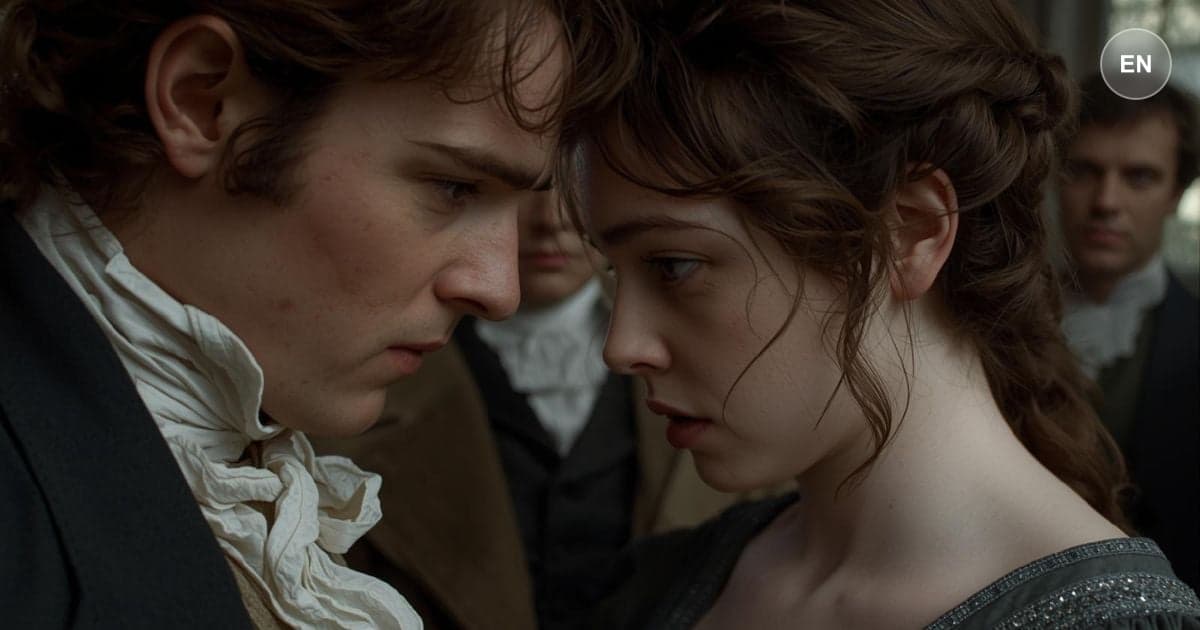
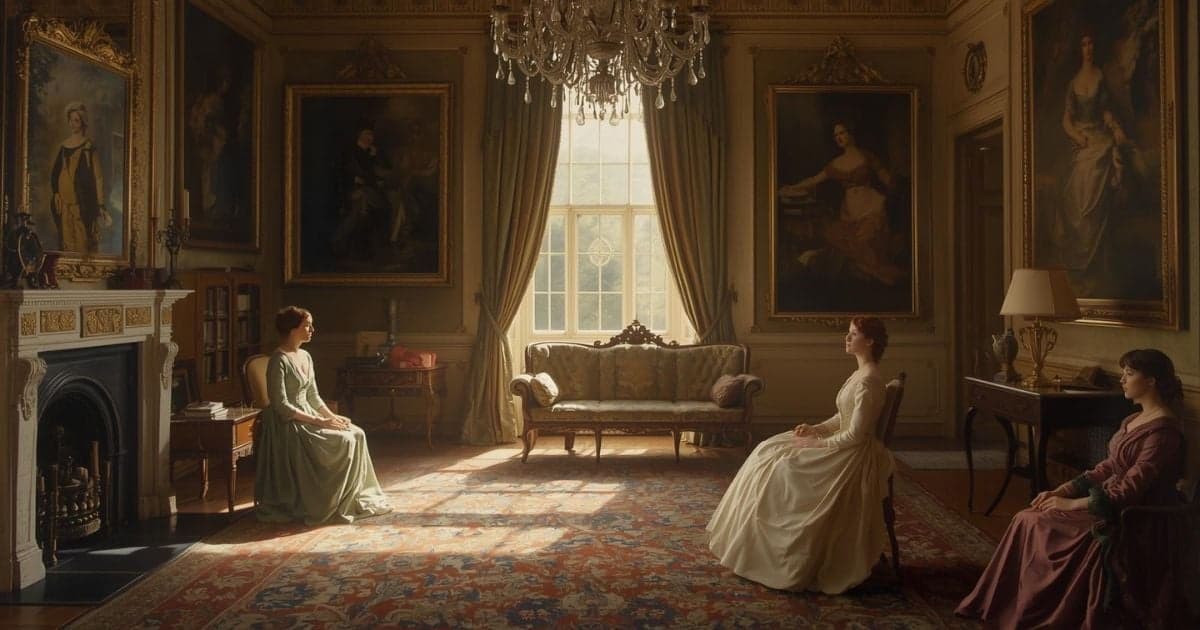
“What a pity it is, Elinor,” said Marianne, “that Edward should have no taste for drawing.” “No taste for drawing!” replied Elinor, “why should you think so? He does not draw himself, indeed, but he has great pleasure in seeing the performances of other people, and I assure you he is by no means deficient in natural taste, though he has not had opportunities of improving it. Had he ever been in the way of learning, I think he would have drawn very well. He distrusts his own judgment in such matters so much, that he is always unwilling to…
Public-domain chapter text, formatted for reading.
Master this chapter. Complete your experience
Purchase the complete book to access all chapters and support classic literature
Available in paperback, hardcover, and e-book formats
Now let's explore the literary elements.
Key Quotes & Analysis
"What a pity it is, Elinor,” said Marianne, “that Edward should have no taste for drawing."
Context: From the opening of the chapter
This line anchors the scene's pressure and shows how inheritance, charm, or family politics can reshape what people owe one another.
In Today's Words:
In plain terms, the passage says: What a pity it is, Elinor,” said Marianne, “that Edward should have no taste for drawing. Readers still recognize the same dynamic when money anxiety or social rank quietly overrides a promise that once sounded binding. The same pressure appears today when a family promise shrinks under a partner's
"I assure you he is by no means deficient in natural taste, though he has not had opportunities of improving it."
Context: From the opening of the chapter
This line anchors the scene's pressure and shows how inheritance, charm, or family politics can reshape what people owe one another.
In Today's Words:
In plain terms, the passage says: I assure you he is by no means deficient in natural taste, though he has not had opportunities of improving it. Readers still recognize the same dynamic when money anxiety or social rank quietly overrides a promise that once sounded binding.
"Had he ever been in the way of learning, I think he would have drawn very well."
Context: From the opening of the chapter
This line anchors the scene's pressure and shows how inheritance, charm, or family politics can reshape what people owe one another.
In Today's Words:
In plain terms, the passage says: Had he ever been in the way of learning, I think he would have drawn very well. Readers still recognize the same dynamic when money anxiety or social rank quietly overrides a promise that once sounded binding. The same pressure appears today when a family promise shrinks under a
"Elinor described as excited in him by the drawings of other people, was very far from that rapturous delight, which, in her opinion, could alone be called taste."
Context: From the opening of the chapter
This line anchors the scene's pressure and shows how inheritance, charm, or family politics can reshape what people owe one another.
In Today's Words:
In plain terms, the passage says: Elinor described as excited in him by the drawings of other people, was very far from that rapturous delight, which, in her opinion, could a Readers still recognize the same dynamic when money anxiety or social rank quietly overrides a promise that once sounded binding.
Thematic Threads
Class Pressure
In This Chapter
Edward's anxiety about his career and mother's expectations creates distance from Elinor despite genuine feelings
Development
Deepens from earlier hints about social position affecting romantic choices
In Your Life:
When job insecurity or family expectations make you hold back from relationships that could bring happiness
Authentic Connection
In This Chapter
Edward and Elinor's relationship builds through shared values and genuine compatibility rather than dramatic gestures
Development
Contrasts with Marianne and Willoughby's passionate but surface-level attraction
In Your Life:
Recognizing that real compatibility often feels quieter and steadier than movie-style romance
Hidden Obstacles
In This Chapter
Edward's restrained behavior suggests barriers he cannot or will not discuss openly
Development
Introduced here as mysterious constraint on genuine feeling
In Your Life:
When someone you care about becomes distant for reasons they won't explain
Practical vs. Romantic
In This Chapter
Edward represents the tension between following your heart and meeting practical obligations
Development
Builds on earlier themes about love existing within social and economic realities
In Your Life:
Choosing between a relationship that feels right and one that makes financial or social sense
Emotional Reserve
In This Chapter
Edward's natural reserve or forced restraint creates uncertainty about his true feelings
Development
Contrasts with Willoughby's open expressiveness, showing different styles of emotional communication
In Your Life:
Learning to read genuine care in people who don't express feelings dramatically or obviously
You now have the context. Time to form your own thoughts.
Discussion Questions
This is not a test. Five prompts guide you through the chapter, from how it opens to how it closes, so you notice context and rhythm rather than facts to memorize. Sit with each question in your own words. When you see "One way to read it," treat it as a starting point, not the only answer.
- 1
What does Marianne's criticism of Edward's taste for drawing reveal about her standards for artistic appreciation?
analysis • surfaceOne way to read it
Marianne believes true taste requires 'rapturous delight' rather than mere appreciation. She dismisses Edward's thoughtful enjoyment of art as insufficient passion.
- 2
How does Elinor's defense of Edward expose the depth of her feelings while she tries to remain cautious?
analysis • mediumOne way to read it
Elinor speaks so warmly of Edward's mind and character that Marianne realizes the attachment is deeper than Elinor admits. Her detailed praise betrays her true feelings.
- 3
When have you seen someone today use financial concerns to discourage a relationship they disapprove of?
application • mediumOne way to read it
Like Fanny warning about women trying to 'draw Edward in,' families still use money and status to pressure romantic choices, from college relationships to career marriages.
- 4
What drives Mrs. Dashwood to accept Sir John's cottage offer immediately rather than taking time to consider?
application • deepOne way to read it
Fanny's insulting warnings about fortune hunters make staying unbearable. Mrs. Dashwood chooses exile over exposing Elinor to more humiliation, even leaving Edward's vicinity.
- 5
What does this chapter suggest about the cost of protecting someone you love from social cruelty?
reflection • deepOne way to read it
Mrs. Dashwood sacrifices proximity to Edward to shield Elinor from Fanny's insults. Sometimes love requires accepting painful distance to preserve dignity and peace.
Critical Thinking Exercise
Map Your Pressure Points
Think about a relationship in your life where external pressures are creating distance or tension. Draw a simple map showing the person in the center, then draw arrows pointing at them representing different pressures (family expectations, work stress, money worries, etc.). For each pressure, write one sentence about how it affects their ability to connect with you or others.
Consider:
- •Some pressures are real constraints, others are imagined obligations
- •Pressure often makes people withdraw rather than communicate their struggles
- •Understanding someone's pressure points helps you respond with compassion rather than taking distance personally
Journaling Prompt
Write about a time when you had to choose between meeting someone else's expectations and following your own heart. What did you learn about managing external pressure while staying true to your relationships?
Coming Up Next...
Chapter 5: Sir John's Welcome
Edward's visit takes an unexpected turn when a curious discovery about his jewelry raises questions about his past. Meanwhile, the mystery surrounding his obvious distress begins to unravel in ways that will test Elinor's composure.