Wide Reads
Literature MattersLife IndexEducators
Sign in
Where to Begin

The Dance Floor Politics — Northanger Abbey

Northanger Abbey - The Dance Floor Politics

Jane Austen

Northanger Abbey

The Dance Floor Politics

Home›Books›Northanger Abbey›Chapter 8: The Dance Floor Politics
Previous
8 of 31
Next

Analysis by the Wide Reads editorial team·Reviewed against the source text·Updated December 5, 2025

Summary

The Dance Floor Politics

Northanger Abbey by Jane Austen

0:000:00
Listen to Next Chapter

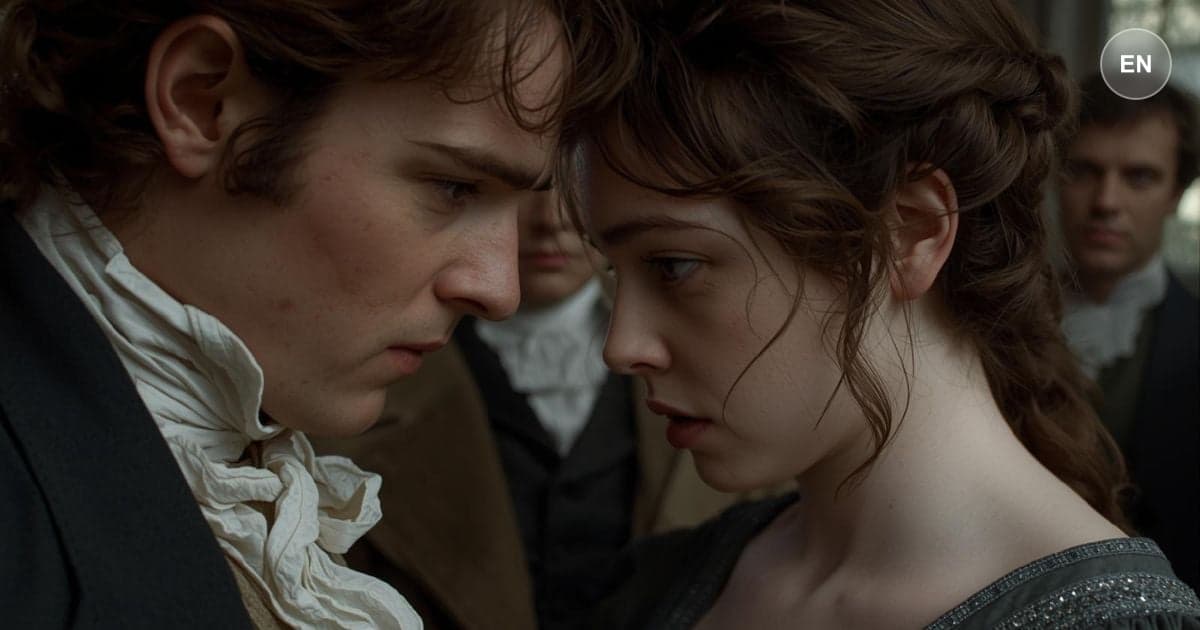
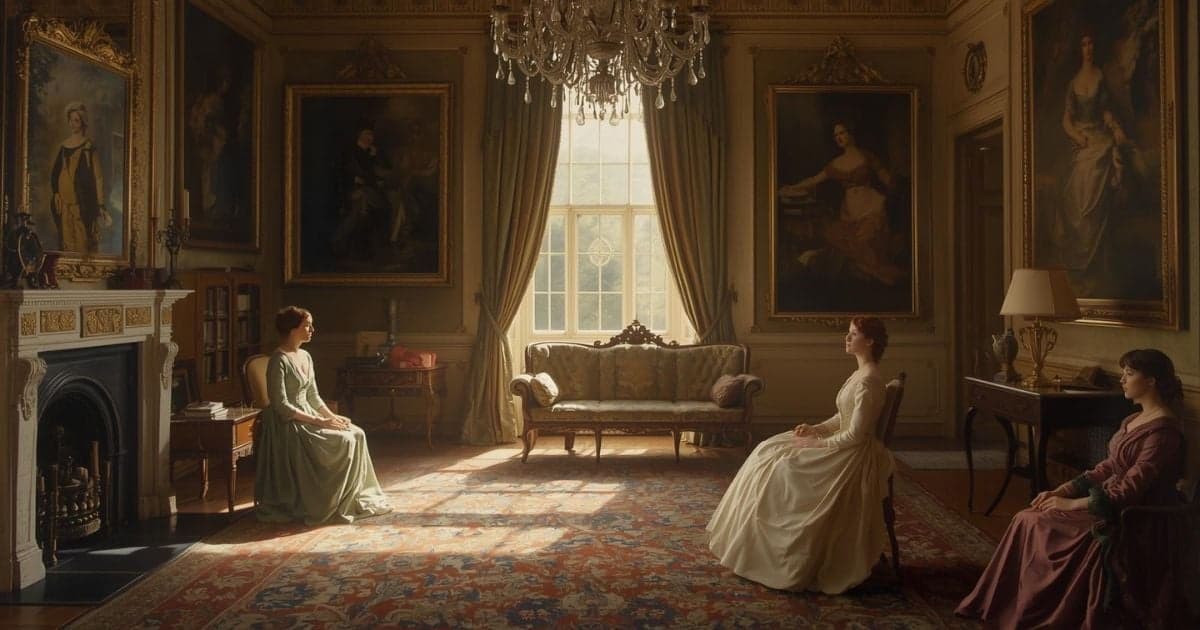
Catherine experiences the brutal reality of social hierarchy at the Upper Rooms ball. Despite Isabella's dramatic promises to never abandon her, Catherine finds herself ditched the moment James asks Isabella to dance. Left partnerless and embarrassed, Catherine endures the social shame of appearing unwanted while maintaining her composure. When Mr. Tilney appears with his sister, Catherine's spirits lift, only to crash when John Thorpe finally shows up as her reluctant partner, boring her with talk of horses while she watches Tilney dance with someone else.

The chapter masterfully exposes how social gatherings can become minefields of disappointment and missed connections. Catherine meets Miss Tilney, who proves to be everything Isabella isn't, genuinely elegant without being showy, kind without being performative. Meanwhile, Isabella's behavior reveals her true character: her promises mean nothing when they conflict with her desires, and her dramatic friendship declarations are just social theater. Catherine learns that being 'previously engaged' to a ball partner doesn't guarantee dignity or enjoyment, sometimes it just guarantees disappointment.

The evening becomes a lesson in reading people's true intentions versus their stated ones, and in maintaining grace under social pressure.

In this chapter: Terms Characters Key Quotes Themes Modern Story

Why This Matters

Connect literature to life

Skill: Testing Loyalty Under Pressure

Grand promises mean little until inconvenience arrives. Isabella vows never to dance without Catherine, then leaves her stranded the moment James wants to stand up. Judge loyalty by what people sacrifice when a better option appears, not by the warmth of their declarations.

Coming Up in Chapter 9

Catherine's evening of social disappointments takes an unexpected turn as she processes her feelings and discovers that sometimes the most painful moments teach us the most about ourselves and others.

Share it with friends

PreviousPrevious ChapterNextNext Chapter
Original text
2,715 wordscomplete

Chapter 08

The Dance Floor Politics

In spite of Udolpho and the dressmaker, however, the party from Pulteney Street reached the Upper Rooms in very good time. The Thorpes and James Morland were there only two minutes before them; and Isabella having gone through the usual ceremonial of meeting her friend with the most smiling and affectionate haste, of admiring the set of her gown, and envying the curl of her hair, they followed their chaperons, arm in arm, into the ballroom, whispering to each other whenever a thought occurred, and supplying the place of many ideas by a squeeze of the hand or a smile…

Public-domain chapter text, formatted for reading.

Master this chapter. Complete your experience

Purchase the complete book to access all chapters and support classic literature

Buy at Powell'sBuy on Amazon

Available in paperback, hardcover, and e-book formats

Now let's explore the literary elements.

Key Quotes & Analysis

"I assure you, said she, I would not stand up without your dear sister for all the world; for if I did we should certainly be separated the whole evening."

— Isabella Thorpe

Context: Isabella promises not to dance without Catherine

The vow sounds self-sacrificing but functions as social theater that Isabella abandons minutes later.

In Today's Words:

Isabella swears she will not dance unless Catherine can too. Grand loyalty announcements often precede quick betrayal when a better option appears. Measure friendship by what people do when James asks, not by what they declare in public. The same pressure appears today when people perform a version of themselves that looks impressive on paper but drains the

"My dear creature, I am afraid I must leave you, your brother is so amazingly impatient to begin; I know you will not mind my going away, and I dare say John will be back in a moment, and then you may easily find me out."

— Isabella Thorpe

Context: Isabella abandons Catherine as soon as James wants to dance

She blames James for her choice and assumes Catherine will accept abandonment without protest.

In Today's Words:

She ditches Catherine while insisting it is really James's fault for being impatient. People who break promises often narrate themselves as victims of someone else's urgency. Notice who leaves you partnerless and who frames it as unavoidable. The same pressure appears today when people perform a version of themselves that looks impressive on paper but drains the energy

"I am very happy to see you again, sir, indeed; I was afraid you had left Bath."

— Catherine Morland

Context: Catherine greets Henry Tilney at the ball

Her relief shows how strongly his earlier absence affected her, even before romance is explicit.

In Today's Words:

Catherine tells Henry she feared he had left Bath for good. Absence can magnify interest when you are already inclined to like someone. Check whether your enthusiasm comes from connection or from the panic of nearly missing them. The same pressure appears today when people perform a version of themselves that looks impressive on paper but drains the

"to go previously engaged to a ball does not necessarily increase either the dignity or enjoyment of a young lady."

— Narrator

Context: Catherine reflects after an evening of broken expectations

Austen turns social disappointment into practical wisdom about promises that constrain without protecting.

In Today's Words:

The narrator notes that arriving with a promised partner does not guarantee dignity or fun. A prior commitment can trap you with the wrong person while the evening you wanted slips away. Treat social promises as tools, not chains, when reliability and chemistry both matter.

Thematic Threads

Social Performance

In This Chapter

Isabella's dramatic friendship declarations prove hollow when tested by real choice

Development

Builds on earlier hints of Isabella's performative nature

In Your Life:

Notice when people's public declarations don't match their private actions

Class Hierarchy

In This Chapter

Catherine experiences the brutal reality of social ranking at the ball through partner assignment and social isolation

Development

Deepens from earlier subtle class awareness to direct social humiliation

In Your Life:

Workplace hierarchies often become most visible during social events or public situations

Authentic vs Artificial

In This Chapter

Miss Tilney's genuine elegance contrasts sharply with Isabella's showy but empty gestures

Development

Introduced here as new standard for measuring character

In Your Life:

Real quality people don't need to constantly announce their virtues

Social Vulnerability

In This Chapter

Catherine's partnerless state creates public embarrassment and reveals her social inexperience

Development

Continues Catherine's education in social navigation from earlier chapters

In Your Life:

Being publicly left out or overlooked can reveal who your real allies are

Disappointment Management

In This Chapter

Catherine must maintain composure despite John Thorpe's boring partnership and watching Tilney with someone else

Development

Builds on Catherine's growing ability to handle unmet expectations

In Your Life:

Learning to handle disappointment gracefully while still protecting your own interests

You now have the context. Time to form your own thoughts.

Discussion Questions

This is not a test. Five prompts guide you through the chapter, from how it opens to how it closes, so you notice context and rhythm rather than facts to memorize. Sit with each question in your own words. When you see "One way to read it," treat it as a starting point, not the only answer.

  1. 1

    Why does Isabella refuse to dance until Catherine can join, then leave almost immediately?

    ▶One way to read it

    The refusal is performance; once James presses, Isabella follows her real desire and treats Catherine's disappointment as negligible.

    analysis • surface
  2. 2

    How does meeting Eleanor Tilney contrast with Catherine's evening with the Thorpes?

    ▶One way to read it

    Eleanor is calm, courteous, and unshowy, offering a friendship style opposite to Isabella's theatrical possessiveness.

    analysis • medium
  3. 3

    When have you been left alone after someone promised to stick with you?

    ▶One way to read it

    Answers should describe social abandonment at events, travel, or group plans where loyalty language did not survive a better offer.

    application • medium
  4. 4

    Why is Catherine mortified to dance with John Thorpe after hoping for Henry Tilney?

    ▶One way to read it

    Her prior engagement to Thorpe traps her in obligation while Tilney represents wit, respect, and the connection she actually wants.

    application • deep
  5. 5

    What does Catherine learn about 'going previously engaged' to a ball?

    ▶One way to read it

    A prearranged partner can reduce enjoyment and dignity when the commitment is unreliable or mismatched, not increase them.

    reflection • deep

Critical Thinking Exercise

10 minutes

The Promise vs. Action Audit

Think of three people in your life who have made significant promises to you in the past year. Write down what they promised, then honestly assess what they actually delivered. Look for patterns: Do the biggest promise-makers follow through? Do quiet supporters show up more consistently? This isn't about judging others harshly, but about recognizing reliable patterns.

Consider:

  • •Consider both dramatic promises and small, quiet commitments
  • •Notice if there's a difference between public promises and private follow-through
  • •Think about your own promise-making patterns - are you an Isabella or a Miss Tilney?

Journaling Prompt

Write about someone in your life who consistently shows up without making grand gestures. What does their reliability mean to you, and how can you be more like them for others?

Coming Up Next...

Chapter 9: A Drive with Thorpe

Catherine's evening of social disappointments takes an unexpected turn as she processes her feelings and discovers that sometimes the most painful moments teach us the most about ourselves and others.

Continue to Chapter 9
Previous
Meeting John Thorpe: Red Flags in Plain Sight
Contents
Next
A Drive with Thorpe
Keep exploring

Continue Exploring

Study guides, teaching tools, themes, and the full library.More ways to read Northanger Abbey: study guides, teaching tools, and the wider library.

  • Northanger Abbey Study Guide
  • Teaching Resources
  • Essential Life Index
  • Browse by Theme
  • All Books

What this chapter teaches

Theme analyses that draw on this chapter and apply it to modern life.

  • Navigating Friendship DynamicsLearn how Catherine Morland distinguishes authentic friendship from social performance, managing the complexities of loyalty, boundaries, and...
  • Reading People AccuratelyExplore how Catherine Morland learns to distinguish genuine character from performance—recognizing who
Love & RelationshipsSocial Class & StatusIdentity & Self-Discovery

You Might Also Like

Emma cover

Emma

Jane Austen

Also by Jane Austen

Persuasion cover

Persuasion

Jane Austen

Also by Jane Austen

Pride and Prejudice cover

Pride and Prejudice

Jane Austen

Also by Jane Austen

Sense and Sensibility cover

Sense and Sensibility

Jane Austen

Also by Jane Austen

Browse all 106+ books

Share This Chapter

Know someone who'd enjoy this? Spread the wisdom!

TwitterFacebookLinkedInEmail

Go further with Prestige

Unlock study guides and downloads, early access, and exclusive content — and support free access for everyone.

Subscribe to PrestigeCreate free account
Intelligence Amplifier
Intelligence Amplifier™Powering Wide Reads

Exploring human-AI collaboration through books, essays, and philosophical dialogues. Classic literature transformed into navigational maps for modern life.

2025 Books

→ The Amplified Human Spirit→ The Alarming Rise of Stupidity Amplified→ San Francisco: The AI Capital of the World
Visit intelligenceamplifier.org
hello@widereads.com

WideReads Originals

→ You Are Not Lost→ The Last Chapter First→ The Lit of Love→ Wealth and Poverty→ Wisdom for the Wounded
Arvintech
arvintechAmplify your Mind
Visit at arvintech.com

Navigate

  • Home
  • Library
  • Essential Life Index
  • How It Works
  • Subscribe
  • Account
  • About
  • Contact
  • Authors
  • Suggest a Book
  • Landings

Made For You

  • Trending
  • Students
  • Educators
  • Families
  • Readers
  • Literary Analysis
  • Finding Purpose
  • Letting Go
  • Recovering from a Breakup
  • Corruption
  • Gaslighting in the Classics

Newsletter

Weekly insights from the classics. Amplify Your Mind.

Legal

  • Privacy Policy
  • Terms of Service
  • Editorial Standards
  • Cookie Policy
  • Accessibility

Why Public Domain?

We focus on public domain classics because these timeless works belong to everyone. No paywalls, no restrictions—just wisdom that has stood the test of centuries, freely accessible to all readers.

Public domain books have shaped humanity's understanding of love, justice, ambition, and the human condition. By amplifying these works, we help preserve and share literature that truly belongs to the world.

A Pilgrimage

Powell's City of Books

Portland, Oregon

If you ever find yourself in Portland, walk to the corner of Burnside and 10th. The building takes up an entire city block. Inside is over a million books, new and used on the same shelf, organized by color-coded rooms with names like the Rose Room and the Pearl Room. You can lose an afternoon. You can lose a weekend. You will find a book you have been looking for your whole life, and three you did not know existed.

It is a pilgrimage. We cannot find a bookstore like it anywhere on earth. If you read the classics, and you ever get the chance, go. It belongs on every reader's bucket list.

Visit powells.com

We are not in any way affiliated with Powell's. We are just a very big fan.

© 2026 Wide Reads™. All Rights Reserved.

Intelligence Amplifier™ and Wide Reads™ are proprietary trademarks of Arvin Lioanag.

Copyright Protection: All original content, analyses, discussion questions, pedagogical frameworks, and methodology are protected by U.S. and international copyright law. Unauthorized reproduction, distribution, web scraping, or use for AI training is strictly prohibited. See our Copyright Notice for details.

Disclaimer: The information provided on this website is for general informational and educational purposes only and does not constitute professional, legal, financial, or technical advice. While we strive to ensure accuracy and relevance, we make no warranties regarding completeness, reliability, or suitability. Any reliance on such information is at your own risk. We are not liable for any losses or damages arising from use of this site. By using this site, you agree to these terms.