Wide Reads
Literature MattersLife IndexEducators
Sign in
Where to Begin

Reality Check and Heartbreak News — Northanger Abbey

Northanger Abbey - Reality Check and Heartbreak News

Jane Austen

Northanger Abbey

Reality Check and Heartbreak News

Home›Books›Northanger Abbey›Chapter 25: Reality Check and Heartbreak News
Previous
25 of 31
Next

Analysis by the Wide Reads editorial team·Reviewed against the source text·Updated December 5, 2025

Summary

Reality Check and Heartbreak News

Northanger Abbey by Jane Austen

0:000:00
Listen to Next Chapter

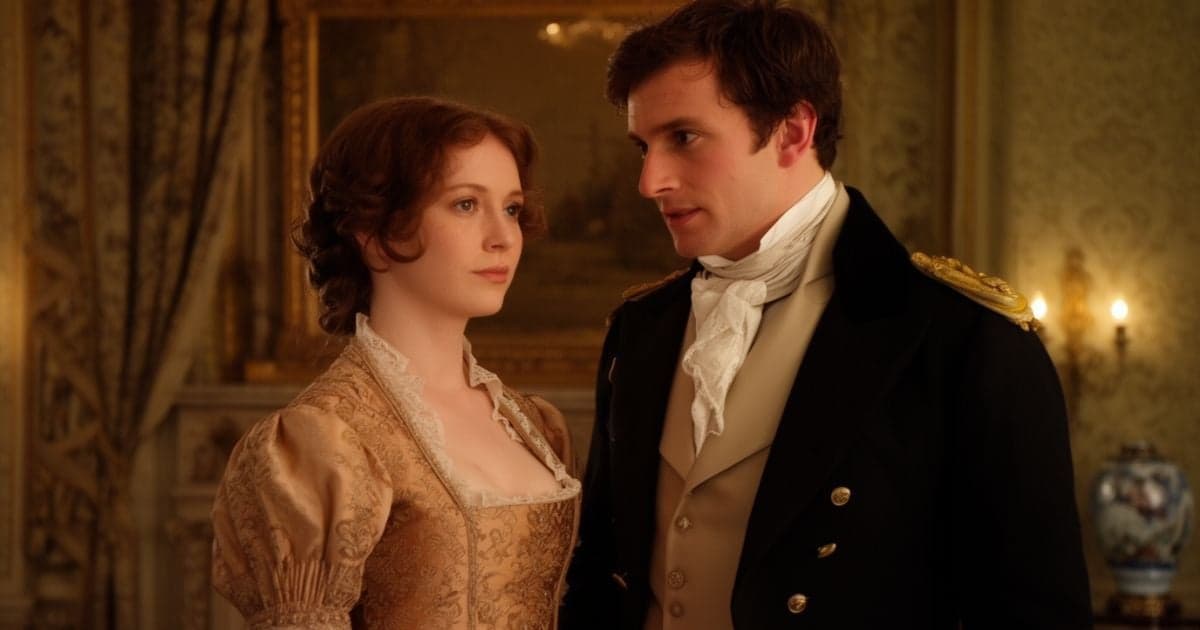
Catherine finally snaps out of her gothic fantasy delusions about General Tilney being a murderer, feeling deeply ashamed that Henry witnessed her foolishness. But Henry surprises her with kindness rather than mockery, helping her spirits recover. She realizes her imagination ran wild because she'd been reading too many dramatic novels and expecting real life in England to be like the exotic horrors described in those books.

Just as she's getting back to normal, devastating news arrives: her brother James writes that Isabella has dumped him to pursue Captain Tilney instead. Catherine is torn between grief for James and shock at Isabella's betrayal. When she reluctantly shares the news with Henry and Eleanor, they're skeptical that their brother Frederick would actually marry someone so obviously mercenary and faithless. The conversation reveals how differently Catherine feels about losing Isabella compared to how she thought she would - she's hurt but not devastated, suggesting their friendship wasn't as deep as she believed.

This chapter marks Catherine's transition from fantasy-obsessed girl to someone learning to see people and situations more clearly, though painful real-world lessons are replacing her imaginary dramas.

In this chapter: Terms Characters Key Quotes Themes Modern Story

Why This Matters

Connect literature to life

Skill: Trusting Actions Over Stories

People reveal themselves through patterns, not promises. Catherine recovers from Gothic shame with Henry's kindness, then learns from James's letter that Isabella chose Captain Tilney over loyal affection. When someone swears devotion, weigh years of behavior more than the latest speech.

Coming Up in Chapter 26

The three young people continue discussing Isabella's shocking betrayal, but they're all convinced General Tilney will never approve of such an unsuitable match for his son. Catherine begins to understand the harsh realities of social class and money in marriage.

Share it with friends

PreviousPrevious ChapterNextNext Chapter
Original text
2,900 wordscomplete

Chapter 25

Reality Check and Heartbreak News

The visions of romance were over. Catherine was completely awakened. Henry’s address, short as it had been, had more thoroughly opened her eyes to the extravagance of her late fancies than all their several disappointments had done. Most grievously was she humbled. Most bitterly did she cry. It was not only with herself that she was sunk—but with Henry. Her folly, which now seemed even criminal, was all exposed to him, and he must despise her forever. The liberty which her imagination had dared to take with the character of his father—could he ever forgive it? The absurdity of her…

Public-domain chapter text, formatted for reading.

Master this chapter. Complete your experience

Purchase the complete book to access all chapters and support classic literature

Buy at Powell'sBuy on Amazon

Available in paperback, hardcover, and e-book formats

Now let's explore the literary elements.

Key Quotes & Analysis

"The visions of romance were over. Catherine was completely awakened."

— Narrator

Context: After Henry's reality check on Gothic suspicions

Catherine's novel-fed fantasy ends; real social pain replaces imaginary horror.

In Today's Words:

The narrator says Catherine's romantic visions are finished and she is fully awake. One kind of delusion can end just as another real hurt arrives. Growing up often means trading imaginary villains for actual disappointments. The same pressure appears today when people perform a version of themselves that looks impressive on paper but drains the energy needed for

"Her folly, which now seemed even criminal, was all exposed to him, and he must despise her forever."

— Narrator

Context: Catherine's shame after accusing the general

She catastrophizes Henry's judgment though he will show kindness.

In Today's Words:

Catherine thinks her folly looks criminal and Henry must despise her forever. Shame magnifies one mistake into permanent exile. Watch whether people actually punish you or whether you are punishing yourself in advance. The same pressure appears today when people perform a version of themselves that looks impressive on paper but drains the energy needed for real competence

"everything is at an end between Miss Thorpe and me."

— James Morland

Context: James's letter breaking news of Isabella's betrayal

Real heartbreak arrives in plain prose, not Gothic manuscript.

In Today's Words:

James writes that everything is over between him and Isabella Thorpe. Actual betrayal often lands as a blunt letter, not a dramatic reveal. Believe steady actions over performed devotion when stakes are high. The same pressure appears today when people perform a version of themselves that looks impressive on paper but drains the energy needed for real competence

"Isabella has deserted my brother, and is to marry yours! could you have believed there had been such inconstancy and fickleness"

— Catherine Morland

Context: Catherine tells Henry and Eleanor the news

Isabella's mercenary turn confirms Henry's earlier reading of her character.

In Today's Words:

Catherine cries that Isabella deserted James to marry Frederick Tilney. Friends who chased status often show you the pattern before the announcement. When betrayal lands, compare it with warnings you dismissed as jealousy. The same pressure appears today when people perform a version of themselves that looks impressive on paper but drains the energy needed for real competence

Thematic Threads

Personal Growth

In This Chapter

Catherine matures by abandoning gothic fantasies and seeing Isabella's true nature

Development

Evolved from naive romanticism to evidence-based thinking

In Your Life:

Growth often means abandoning comfortable illusions about people or situations you believed in.

Class

In This Chapter

Isabella's pursuit of Captain Tilney reveals her mercenary approach to social climbing

Development

Consistent theme showing how class ambitions drive behavior

In Your Life:

Watch for people who seem more interested in your status or resources than in you as a person.

Human Relationships

In This Chapter

Catherine discovers her friendship with Isabella wasn't as deep as she thought

Development

Building on earlier hints about Isabella's superficiality

In Your Life:

Real friendships survive disappointments and challenges - fair-weather friends disappear when things get difficult.

Social Expectations

In This Chapter

Henry and Eleanor doubt Frederick would marry someone so obviously fortune-hunting

Development

Ongoing exploration of how society judges matches and motivations

In Your Life:

Others can often see red flags in your relationships that you're too close to notice.

Identity

In This Chapter

Catherine's sense of self shifts as she abandons both gothic fantasies and blind loyalty to Isabella

Development

Continuing journey from borrowed identity to authentic self-knowledge

In Your Life:

Your identity gets stronger when you stop defining yourself through fantasies or toxic relationships.

You now have the context. Time to form your own thoughts.

Discussion Questions

This is not a test. Five prompts guide you through the chapter, from how it opens to how it closes, so you notice context and rhythm rather than facts to memorize. Sit with each question in your own words. When you see "One way to read it," treat it as a starting point, not the only answer.

  1. 1

    How does Henry treat Catherine after her Gothic accusations?

    ▶One way to read it

    With extra attentive politeness that lets her recover without direct humiliation.

    analysis • surface
  2. 2

    What news does James's letter bring?

    ▶One way to read it

    Isabella has ended their engagement in favor of Captain Tilney.

    analysis • medium
  3. 3

    Why are Henry and Eleanor skeptical that Frederick will marry Isabella?

    ▶One way to read it

    They know her mercenary, inconstant character and doubt Frederick's judgment.

    application • medium
  4. 4

    Why is Catherine surprised by her own grief about Isabella?

    ▶One way to read it

    She is hurt and loyal to James but realizes the friendship was never as deep as she imagined.

    application • deep
  5. 5

    How does this chapter complete Catherine's shift from fantasy to realism?

    ▶One way to read it

    Gothic fear gives way to social betrayal and class realities she can no longer romanticize.

    reflection • deep

Critical Thinking Exercise

10 minutes

Reality Test Your Current Assumptions

Think of someone in your life about whom you have strong positive or negative feelings. Write down three specific beliefs you hold about this person, then identify what concrete evidence supports each belief versus what you've assumed or projected. Look for patterns in where your assumptions fill gaps in actual knowledge.

Consider:

  • •Distinguish between what people say and what they consistently do
  • •Notice if your beliefs about someone serve your emotional needs more than reflect reality
  • •Consider whether you're applying movie or book logic to real-life situations

Journaling Prompt

Write about a time when discovering someone's true character was painful but ultimately helpful. How did that experience change how you evaluate people now?

Coming Up Next...

Chapter 26: The Visit to Woodston

The three young people continue discussing Isabella's shocking betrayal, but they're all convinced General Tilney will never approve of such an unsuitable match for his son. Catherine begins to understand the harsh realities of social class and money in marriage.

Continue to Chapter 26
Previous
Reality Crashes the Gothic Fantasy
Contents
Next
The Visit to Woodston
Keep exploring

Continue Exploring

Study guides, teaching tools, themes, and the full library.More ways to read Northanger Abbey: study guides, teaching tools, and the wider library.

  • Northanger Abbey Study Guide
  • Teaching Resources
  • Essential Life Index
  • Browse by Theme
  • All Books

What this chapter teaches

Theme analyses that draw on this chapter and apply it to modern life.

  • Building Critical ThinkingLearn how Catherine Morland develops the ability to question her assumptions, test her theories against evidence, and think clearly about...
  • Separating Fiction from RealityExplore the key chapters in Northanger Abbey that teach us how to distinguish between romantic narratives and real life—learning when our stories...
Love & RelationshipsSocial Class & StatusIdentity & Self-Discovery

You Might Also Like

Emma cover

Emma

Jane Austen

Also by Jane Austen

Persuasion cover

Persuasion

Jane Austen

Also by Jane Austen

Pride and Prejudice cover

Pride and Prejudice

Jane Austen

Also by Jane Austen

Sense and Sensibility cover

Sense and Sensibility

Jane Austen

Also by Jane Austen

Browse all 106+ books

Share This Chapter

Know someone who'd enjoy this? Spread the wisdom!

TwitterFacebookLinkedInEmail

Go further with Prestige

Unlock study guides and downloads, early access, and exclusive content — and support free access for everyone.

Subscribe to PrestigeCreate free account
Intelligence Amplifier
Intelligence Amplifier™Powering Wide Reads

Exploring human-AI collaboration through books, essays, and philosophical dialogues. Classic literature transformed into navigational maps for modern life.

2025 Books

→ The Amplified Human Spirit→ The Alarming Rise of Stupidity Amplified→ San Francisco: The AI Capital of the World
Visit intelligenceamplifier.org
hello@widereads.com

WideReads Originals

→ You Are Not Lost→ The Last Chapter First→ The Lit of Love→ Wealth and Poverty→ Wisdom for the Wounded
Arvintech
arvintechAmplify your Mind
Visit at arvintech.com

Navigate

  • Home
  • Library
  • Essential Life Index
  • How It Works
  • Subscribe
  • Account
  • About
  • Contact
  • Authors
  • Suggest a Book
  • Landings

Made For You

  • Trending
  • Students
  • Educators
  • Families
  • Readers
  • Literary Analysis
  • Finding Purpose
  • Letting Go
  • Recovering from a Breakup
  • Corruption
  • Gaslighting in the Classics

Newsletter

Weekly insights from the classics. Amplify Your Mind.

Legal

  • Privacy Policy
  • Terms of Service
  • Editorial Standards
  • Cookie Policy
  • Accessibility

Why Public Domain?

We focus on public domain classics because these timeless works belong to everyone. No paywalls, no restrictions—just wisdom that has stood the test of centuries, freely accessible to all readers.

Public domain books have shaped humanity's understanding of love, justice, ambition, and the human condition. By amplifying these works, we help preserve and share literature that truly belongs to the world.

A Pilgrimage

Powell's City of Books

Portland, Oregon

If you ever find yourself in Portland, walk to the corner of Burnside and 10th. The building takes up an entire city block. Inside is over a million books, new and used on the same shelf, organized by color-coded rooms with names like the Rose Room and the Pearl Room. You can lose an afternoon. You can lose a weekend. You will find a book you have been looking for your whole life, and three you did not know existed.

It is a pilgrimage. We cannot find a bookstore like it anywhere on earth. If you read the classics, and you ever get the chance, go. It belongs on every reader's bucket list.

Visit powells.com

We are not in any way affiliated with Powell's. We are just a very big fan.

© 2026 Wide Reads™. All Rights Reserved.

Intelligence Amplifier™ and Wide Reads™ are proprietary trademarks of Arvin Lioanag.

Copyright Protection: All original content, analyses, discussion questions, pedagogical frameworks, and methodology are protected by U.S. and international copyright law. Unauthorized reproduction, distribution, web scraping, or use for AI training is strictly prohibited. See our Copyright Notice for details.

Disclaimer: The information provided on this website is for general informational and educational purposes only and does not constitute professional, legal, financial, or technical advice. While we strive to ensure accuracy and relevance, we make no warranties regarding completeness, reliability, or suitability. Any reliance on such information is at your own risk. We are not liable for any losses or damages arising from use of this site. By using this site, you agree to these terms.