Chapter 16
When Reality Disappoints Expectations
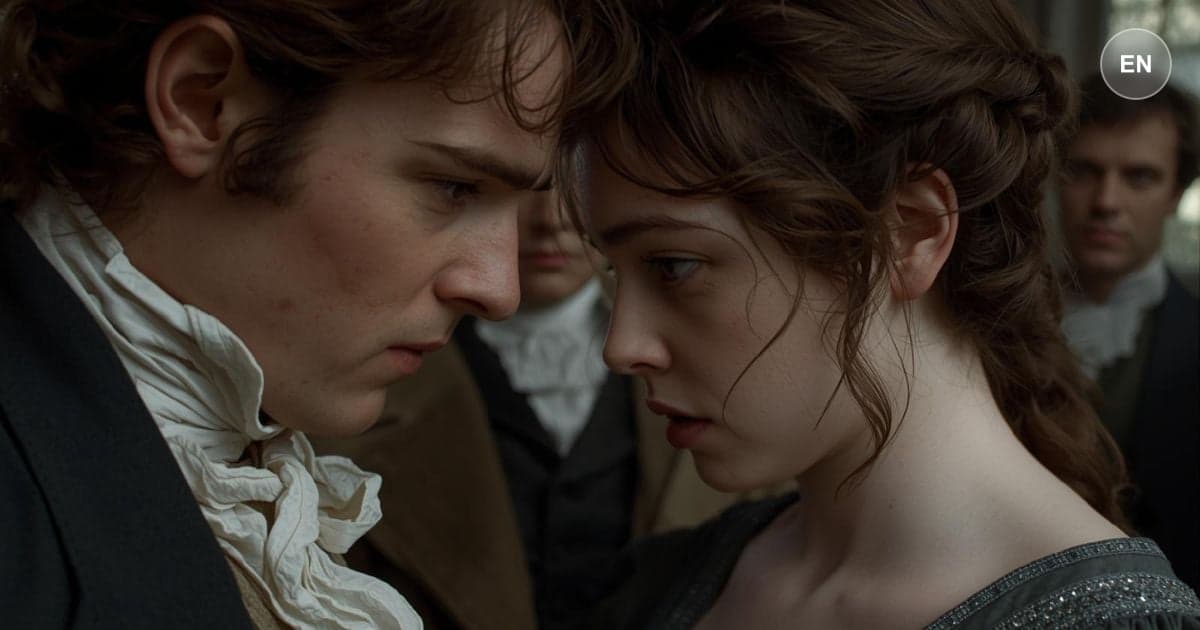
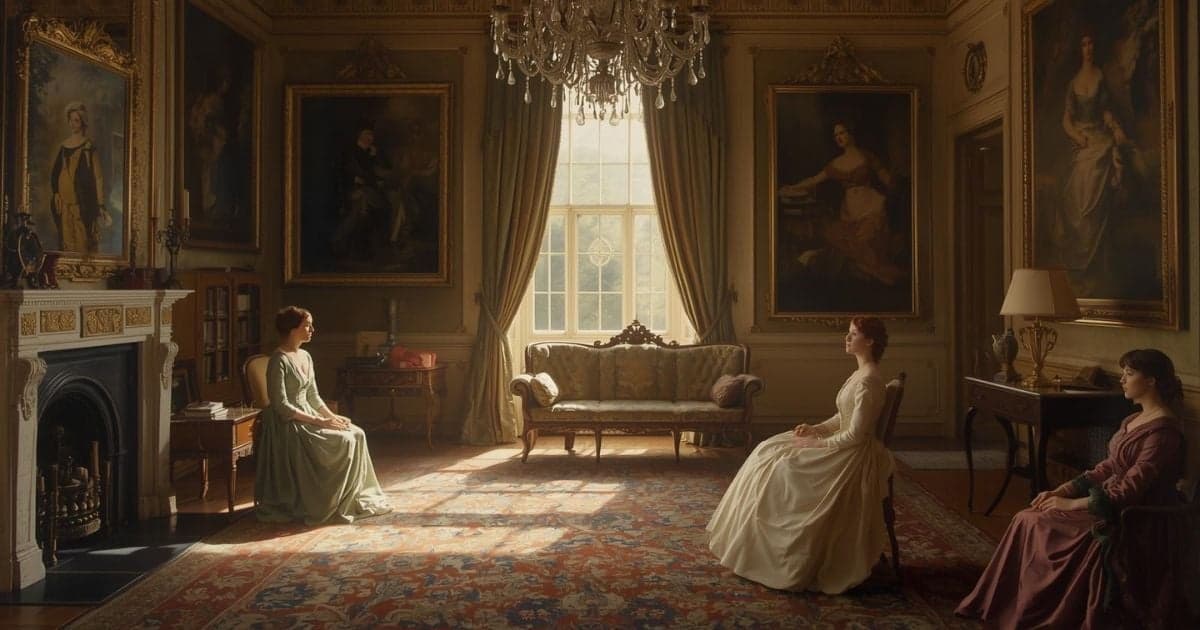
Catherine’s expectations of pleasure from her visit in Milsom Street were so very high that disappointment was inevitable; and accordingly, though she was most politely received by General Tilney, and kindly welcomed by his daughter, though Henry was at home, and no one else of the party, she found, on her return, without spending many hours in the examination of her feelings, that she had gone to her appointment preparing for happiness which it had not afforded. Instead of finding herself improved in acquaintance with Miss Tilney, from the intercourse of the day, she seemed hardly so intimate with her…
Public-domain chapter text, formatted for reading.
Master this chapter. Complete your experience
Purchase the complete book to access all chapters and support classic literature
Available in paperback, hardcover, and e-book formats
Now let's explore the literary elements.
Key Quotes & Analysis
"he had never said so little, nor been so little agreeable"
Context: Catherine's disappointing dinner visit with the Tilneys at Milsom Street
High expectations make ordinary awkwardness feel like rejection until Catherine learns not to personalize family mood.
In Today's Words:
The narrator says Henry talked less and seemed less agreeable than at the ball. One stiff evening is not a verdict on the whole relationship. Before you decide someone has cooled off, check whether context, not your worth, explains the tone. The same pressure appears today when people perform a version of themselves that looks impressive on paper
"It could not be General Tilney's fault."
Context: Catherine puzzles over the awkward visit
Catherine excuses the father because status and manners make blame feel impossible, a reflex that delays accurate reading.
In Today's Words:
Catherine tells herself the general cannot be to blame because he was charming and important. We often exempt powerful people from scrutiny because confronting them feels socially costly. Politeness toward authority is not proof that nothing went wrong. The same pressure appears today when people perform a version of themselves that looks impressive on paper but drains the
"I cannot think how it could happen! isabella was so determined not to dance."
Context: Isabella dances with Captain Tilney after swearing she would not
Catherine still expects Isabella's words to bind her actions, missing the pattern Henry will explain.
In Today's Words:
Catherine is astonished because Isabella swore she would not dance. When someone's no lasts only until a better option appears, believe the pattern not the vow. Henry will soon teach her to read motives instead of taking speeches literally. The same pressure appears today when people perform a version of themselves that looks impressive on paper but drains
"Four hundred is but a small income to begin on indeed"
Context: James's modest living is discussed after his father's letter
Mrs Thorpe's comment exposes how money quietly tests Isabella's proclaimed selflessness.
In Today's Words:
Mrs Thorpe calls four hundred pounds a small income to start on. Engagement talk sounds romantic until numbers enter the room. Watch whether praise for modest means survives the spreadsheet. The same pressure appears today when people perform a version of themselves that looks impressive on paper but drains the energy needed for real competence and connection.
Thematic Threads
Social Perception
In This Chapter
Catherine misreads the Tilneys' family tension as personal rejection, while Isabella's contradictory behavior reveals her self-deception
Development
Builds on earlier chapters where Catherine learned to read social cues—now she's learning that first impressions can be wrong
In Your Life:
You might misinterpret a coworker's bad mood as being about you when they're actually dealing with personal stress
Self-Deception
In This Chapter
Isabella creates elaborate justifications for dancing after claiming she absolutely wouldn't, showing how people rationalize contradictory behavior
Development
Isabella's tendency toward drama and inconsistency becomes more apparent
In Your Life:
You might catch yourself making excuses for breaking your own rules instead of simply admitting you changed your mind
Money and Expectations
In This Chapter
Isabella's disappointment about James's modest income reveals her true priorities despite her public gratitude
Development
Introduced here as a subplot that will drive future conflicts
In Your Life:
You might find yourself torn between what you say you value and what you actually need for security
Trust and Intuition
In This Chapter
Catherine's instincts about the Tilneys being good people prove correct despite one awkward encounter
Development
Catherine is learning to trust her judgment while remaining open to new information
In Your Life:
You might struggle to balance giving people the benefit of the doubt with protecting yourself from repeated disappointment
Class Awareness
In This Chapter
The chapter highlights how economic differences create tension in relationships, particularly around marriage expectations
Development
Continues exploring how class affects personal relationships and life choices
In Your Life:
You might find that money differences strain friendships or romantic relationships in ways that are hard to discuss openly
You now have the context. Time to form your own thoughts.
Discussion Questions
This is not a test. Five prompts guide you through the chapter, from how it opens to how it closes, so you notice context and rhythm rather than facts to memorize. Sit with each question in your own words. When you see "One way to read it," treat it as a starting point, not the only answer.
- 1
Why is Catherine disappointed after the Milsom Street dinner?
analysis • surfaceOne way to read it
She expected intimacy and ease with Henry and Eleanor but found the evening subdued and Henry unusually quiet.
- 2
How does Henry explain Isabella's sudden decision to dance with Captain Tilney?
analysis • mediumOne way to read it
He suggests Catherine projects her own firmness onto Isabella, whose 'firmness' is often obstinacy and flirtation when a handsome partner appears.
- 3
When have you blamed yourself for a social evening that may not have been about you?
application • mediumOne way to read it
Answers should describe high expectations meeting ordinary awkwardness and later learning there was unrelated tension.
- 4
What does Isabella's reaction to James's four-hundred-pound living reveal?
application • deepOne way to read it
Her theatrical self-sacrifice barely conceals financial disappointment, showing love talk and material expectations diverging.
- 5
Why does Catherine reject Isabella's claim that the Tilneys are insufferably proud?
reflection • deepOne way to read it
Her direct experience of their kindness outweighs Isabella's jealous reframing, an early sign of sounder judgment.
Critical Thinking Exercise
Map the Invisible Pressures
Think of a recent interaction that felt awkward or cold. Instead of focusing on what you might have done wrong, brainstorm five possible external pressures or situations the other person might have been dealing with. Consider work stress, family issues, health concerns, financial worries, or relationship problems that could explain their behavior.
Consider:
- •Most people are dealing with challenges you can't see
- •Cold behavior often reflects the other person's stress, not your worth
- •One awkward interaction is just data - patterns over time are signals
Journaling Prompt
Write about a time when you were dealing with something difficult and probably seemed distant or cold to others. How did your internal struggle affect how you treated people around you?
Coming Up Next...
Chapter 17: The Abbey Invitation
The Allens must decide whether to extend their stay in Bath, and Catherine's entire happiness hangs in the balance. Will her growing attachment to the Tilneys survive, or is she about to face an abrupt goodbye that could change everything?