Wide Reads
Literature MattersLife IndexEducators
Sign in
Where to Begin
The Essays of Montaigne - True Virtue vs. Momentary Heroics

Michel de Montaigne

The Essays of Montaigne

True Virtue vs. Momentary Heroics

Home›Books›The Essays of Montaigne›Chapter 85
Previous
85 of 107
Next

Summary

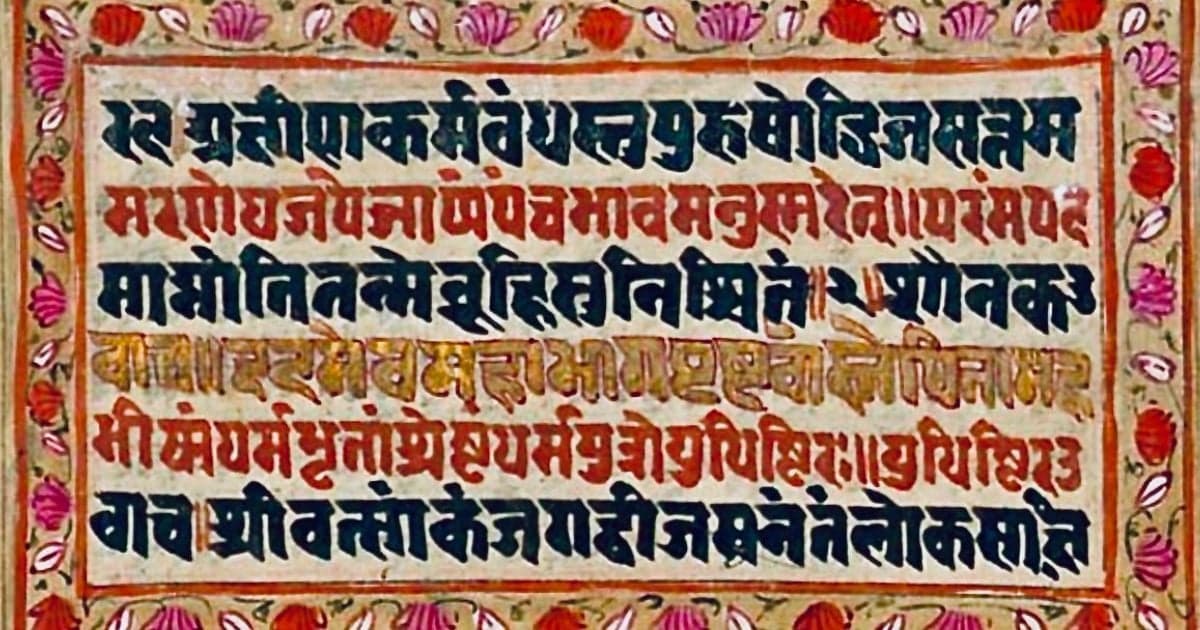
Montaigne explores the difference between fleeting moments of heroism and true virtue that shows up consistently in daily life. He argues that anyone can have brief flashes of extraordinary courage or wisdom, but genuine virtue means maintaining good character in ordinary, unglamorous moments. Through vivid examples ranging from ancient philosophers to contemporary stories of extreme actions, he demonstrates how people often mistake dramatic gestures for true moral strength. The chapter examines how the philosopher Pyrrho tried to live according to his beliefs about human uncertainty, sometimes succeeding brilliantly and sometimes failing in petty domestic squabbles. Montaigne shares shocking stories of people driven to extreme acts by passion, jealousy, or religious fervor, contrasting these with the steady devotion of Indian widows who prepare their whole lives for ritual suicide. He explores how beliefs about fate and predestination can either inspire reckless courage or serve as excuses for cowardice. The central insight is that to truly know someone's character, you must observe their everyday habits and reactions to minor irritations, not just their responses to major crises. Real virtue isn't about spectacular moments of heroism but about the quiet consistency of doing right when no one is watching and nothing dramatic is at stake.

Coming Up in Chapter 86

From examining the nature of virtue and character, Montaigne turns his attention to physical abnormalities and what they reveal about human nature's endless variety. He will explore how society responds to those who are different and what these reactions tell us about ourselves.

Share it with friends

Previous ChapterNext Chapter
GO ADS FREE — JOIN US
Original text
complete·3,359 words

OF VIRTUE

1 / 14

Master this chapter. Complete your experience

Purchase the complete book to access all chapters and support classic literature

Read Free on GutenbergBuy at Powell'sBuy on Amazon

As an Amazon Associate, we earn a small commission from qualifying purchases at no additional cost to you.

Available in paperback, hardcover, and e-book formats

GO ADS FREE — JOIN US

Why This Matters

Connect literature to life

Skill: Reading True Character

This chapter teaches how to evaluate people's real nature by observing their behavior in mundane moments rather than dramatic ones.

Practice This Today

This week, notice how people handle minor frustrations—slow internet, wrong coffee orders, small mistakes—because these reveal more about character than their responses to major crises.

GO ADS FREE — JOIN US

Now let's explore the literary elements.

Key Quotes & Analysis

"It is more to render a man's self impassible by his own study and industry, than to be so by his natural condition"

— Montaigne

Context: Discussing whether learned virtue is superior to natural temperament

Montaigne suggests that choosing to be calm and controlled through effort is more admirable than just being naturally even-tempered. This challenges the idea that some people are just 'naturally good' - he values the work people put into becoming better.

In Today's Words:

It's more impressive when someone works to stay cool under pressure than when they're just naturally chill.

"These so elevated qualities in a man can so thoroughly tinct and imbue the soul that they should become ordinary, and, as it were, natural in him"

— Montaigne

Context: Questioning whether heroic moments prove lasting character

Montaigne doubts that dramatic acts of courage or virtue actually change someone's fundamental nature. He's skeptical that peak moments reveal who we really are - instead, he thinks our everyday habits matter more.

In Today's Words:

Just because someone does something amazing once doesn't mean they're an amazing person all the time.

"This perturbation once overcome, we see that they insensibly flag and slacken of themselves"

— Montaigne

Context: Describing how people return to normal after moments of inspiration

He observes that after being moved by great examples or speeches, people gradually drift back to their usual behavior. This supports his argument that true virtue must be sustainable, not just inspirational.

In Today's Words:

After the motivational high wears off, people go back to their old habits.

Thematic Threads

Authenticity

In This Chapter

Montaigne distinguishes between performing virtue and actually being virtuous, showing how people often mistake dramatic gestures for genuine character

Development

Builds on earlier themes about self-knowledge and the gap between public persona and private reality

In Your Life:

You might notice this when someone who seems impressive in meetings turns out to be difficult in day-to-day collaboration

Social Performance

In This Chapter

The chapter explores how people behave differently when they know they're being watched versus when they think no one cares

Development

Extends previous discussions about how social expectations shape behavior and identity

In Your Life:

You might catch yourself being more patient with difficult customers when your supervisor is nearby than when you're alone

Character Assessment

In This Chapter

Montaigne argues that we should judge people by their ordinary habits and reactions to minor irritations, not their responses to major crises

Development

Introduced here as a practical framework for understanding human nature

In Your Life:

You might realize you've been fooled by someone's grand promises while ignoring their pattern of small disappointments

Personal Growth

In This Chapter

True virtue requires consistency in mundane moments rather than occasional spectacular acts of goodness

Development

Deepens earlier themes about self-improvement being an ongoing process rather than dramatic transformation

In Your Life:

You might recognize that becoming a better person means changing how you handle daily frustrations, not waiting for opportunities to be heroic

Self-Awareness

In This Chapter

The chapter challenges readers to examine their own patterns of behavior in ordinary versus extraordinary circumstances

Development

Continues Montaigne's consistent theme of honest self-examination and recognition of human complexity

In Your Life:

You might notice the gap between how you want to be seen and how you actually behave when you're tired or stressed

GO ADS FREE — JOIN US

You now have the context. Time to form your own thoughts.

Discussion Questions

  1. 1

    What's the difference between someone doing one heroic act and someone having true virtue, according to Montaigne?

    analysis • surface
  2. 2

    Why does Montaigne think we should judge people's character by how they handle small, everyday situations rather than dramatic moments?

    analysis • medium
  3. 3

    Think of someone you know who seems great in public but acts differently in private situations. What does this tell you about their real character?

    application • medium
  4. 4

    How would you apply Montaigne's insight about 'everyday virtue' when deciding whether to trust someone with something important?

    application • deep
  5. 5

    What does this chapter reveal about why it's so hard to truly know ourselves and change our automatic responses?

    reflection • deep

Critical Thinking Exercise

10 minutes

Character Detective: Map Real vs. Performed Behavior

Choose someone you interact with regularly - a coworker, family member, or friend. Create two columns: 'Public/Crisis Moments' and 'Private/Ordinary Moments.' List specific examples of how they behave in each type of situation. Look for patterns and contradictions. This isn't about judging them harshly, but about understanding the difference between performed character and automatic responses.

Consider:

  • •Focus on behaviors you've actually witnessed, not assumptions or gossip
  • •Notice if their ordinary moments reveal kindness, impatience, generosity, or selfishness
  • •Consider what this exercise reveals about your own character patterns

Journaling Prompt

Write about a time when you acted one way in public but differently in private. What does this reveal about the gap between who you want to be and your automatic responses? How could you work on closing that gap?

GO ADS FREE — JOIN US

Coming Up Next...

Chapter 86: What Makes Us Different Makes Us Human

From examining the nature of virtue and character, Montaigne turns his attention to physical abnormalities and what they reveal about human nature's endless variety. He will explore how society responds to those who are different and what these reactions tell us about ourselves.

Continue to Chapter 86
Previous
All Things Have Their Season
Contents
Next
What Makes Us Different Makes Us Human

Continue Exploring

The Essays of Montaigne Study GuideTeaching ResourcesEssential Life IndexBrowse by ThemeAll Books

You Might Also Like

Crime and Punishment cover

Crime and Punishment

Fyodor Dostoevsky

Explores personal growth

Jane Eyre cover

Jane Eyre

Charlotte Brontë

Explores personal growth

Great Expectations cover

Great Expectations

Charles Dickens

Explores personal growth

The Strange Case of Dr Jekyll and Mr Hyde cover

The Strange Case of Dr Jekyll and Mr Hyde

Robert Louis Stevenson

Explores personal growth

Browse all 47+ books
GO ADS FREE — JOIN US

Share This Chapter

Know someone who'd enjoy this? Spread the wisdom!

TwitterFacebookLinkedInEmail

Read ad-free with Prestige

Get rid of ads, unlock study guides and downloads, and support free access for everyone.

Subscribe to PrestigeCreate free account
Intelligence Amplifier
Intelligence Amplifier™Powering Wide Reads

Exploring human-AI collaboration through books, essays, and philosophical dialogues. Classic literature transformed into navigational maps for modern life.

2025 Books

→ The Amplified Human Spirit→ The Alarming Rise of Stupidity Amplified→ San Francisco: The AI Capital of the World
Visit intelligenceamplifier.org
hello@widereads.com

WideReads Originals

→ You Are Not Lost→ The Last Chapter First→ The Lit of Love→ Wealth and Poverty→ 10 Paradoxes in the Classics · coming soon
Arvintech
arvintechAmplify your Mind
Visit at arvintech.com

Navigate

  • Home
  • Library
  • Essential Life Index
  • How It Works
  • Subscribe
  • Account
  • About
  • Contact
  • Authors
  • Suggest a Book
  • Landings

Made For You

  • Students
  • Educators
  • Families
  • Readers
  • Literary Analysis
  • Finding Purpose
  • Letting Go
  • Recovering from a Breakup
  • Corruption
  • Gaslighting in the Classics

Newsletter

Weekly insights from the classics. Amplify Your Mind.

Legal

  • Privacy Policy
  • Terms of Service
  • Cookie Policy
  • Accessibility

Why Public Domain?

We focus on public domain classics because these timeless works belong to everyone. No paywalls, no restrictions—just wisdom that has stood the test of centuries, freely accessible to all readers.

Public domain books have shaped humanity's understanding of love, justice, ambition, and the human condition. By amplifying these works, we help preserve and share literature that truly belongs to the world.

A Pilgrimage

Powell's City of Books

Portland, Oregon

If you ever find yourself in Portland, walk to the corner of Burnside and 10th. The building takes up an entire city block. Inside is over a million books, new and used on the same shelf, organized by color-coded rooms with names like the Rose Room and the Pearl Room. You can lose an afternoon. You can lose a weekend. You will find a book you have been looking for your whole life, and three you did not know existed.

It is a pilgrimage. We cannot find a bookstore like it anywhere on earth. If you read the classics, and you ever get the chance, go. It belongs on every reader's bucket list.

Visit powells.com

We are not in any way affiliated with Powell's. We are just a very big fan.

© 2026 Wide Reads™. All Rights Reserved.

Intelligence Amplifier™ and Wide Reads™ are proprietary trademarks of Arvin Lioanag.

Copyright Protection: All original content, analyses, discussion questions, pedagogical frameworks, and methodology are protected by U.S. and international copyright law. Unauthorized reproduction, distribution, web scraping, or use for AI training is strictly prohibited. See our Copyright Notice for details.

Disclaimer: The information provided on this website is for general informational and educational purposes only and does not constitute professional, legal, financial, or technical advice. While we strive to ensure accuracy and relevance, we make no warranties regarding completeness, reliability, or suitability. Any reliance on such information is at your own risk. We are not liable for any losses or damages arising from use of this site. By using this site, you agree to these terms.