

Chapter 62
The Weight of a Guilty Conscience
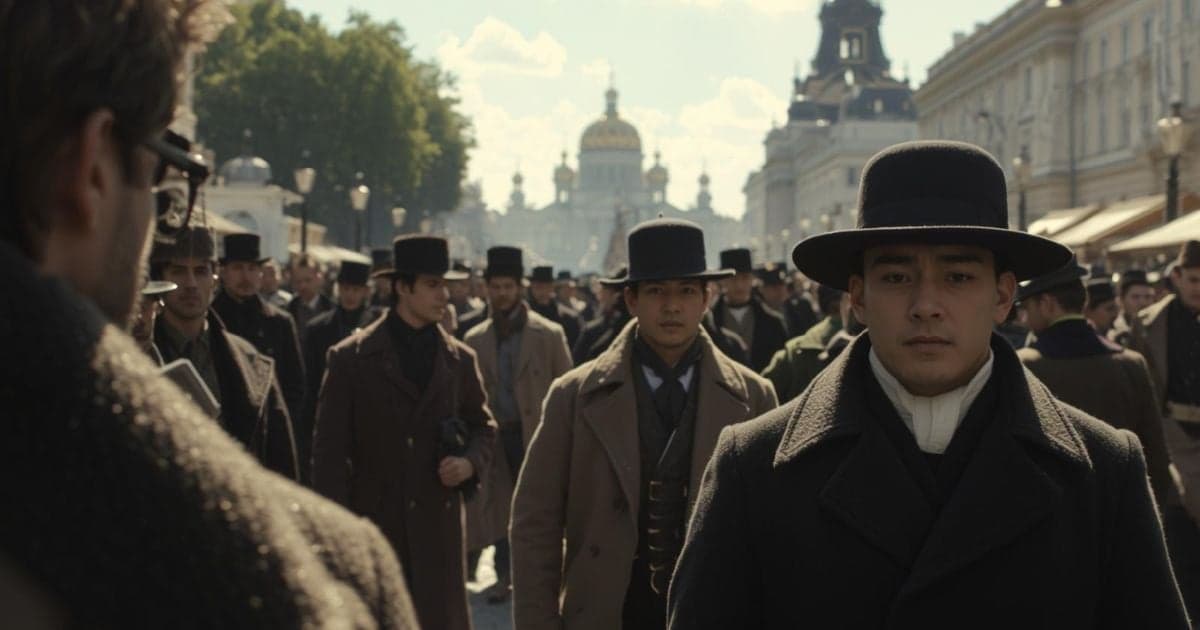
OF CONSCIENCE The Sieur de la Brousse, my brother, and I, travelling one day together during the time of our civil wars, met a gentleman of good sort. He was of the contrary party, though I did not know so much, for he pretended otherwise: and the mischief on’t is, that in this sort of war the cards are so shuffled, your enemy not being distinguished from yourself by any apparent mark either of language or habit, and being nourished under the same law, air, and manners, it is very hard to avoid disorder and confusion. This made me afraid…
Public-domain chapter text, formatted for reading.
Critical Thinking Exercise
Map Your Conscience Compass
Think of three recent situations where you felt either completely confident or strangely nervous about your actions. Map out what your internal reactions were telling you about your choices. Notice how your body language, speech patterns, or behaviour might have changed based on whether you felt clear or conflicted about what you were doing.
Consider:
- •Your gut reactions often know the truth before your brain catches up
- •Notice if you were over-explaining, avoiding eye contact, or feeling jumpy
- •Consider how others might have read your confidence or nervousness
Journaling Prompt
Write about a time when your conscience was trying to tell you something through your behaviour or anxiety. What was it trying to protect you from, and did you listen?
Master this chapter. Complete your experience
Purchase the complete book to access all chapters and support classic literature

Available in paperback, hardcover, and e-book formats
You Might Also Like

Lessons from The Essays of Montaigne
Theme-by-theme analyses that connect this book to modern life skills.
Choosing Real Friendship
Hear essay 27 answer La Boétie: because it was he, because it was I.
8 chapters·Explore AnalysisEmbracing Uncertainty
Hear essay 31: nothing is so firmly believed as what we least know, and Que sais-je is a working motto.
8 chapters·Explore AnalysisLiving With Mortality
Hold essay 19: Egyptian skeletons at the feast, a tennis ball after dinner, and Vespasian dying standing.
8 chapters·Explore AnalysisSelf-Examination
Sit with essay 1 and the late report: man is fickle, and others form him while Montaigne only writes him down.
8 chapters·Explore AnalysisAuthentic Self-Expression
Watch essay 73 drop the costume: we are nothing but ceremony until the unforced face is left.
7 chapters·Explore AnalysisTesting Experience Against Theory
Stay with custom as schoolmistress, the Brazilian witnesses, and the law that makes silk more desirable by forbidding it.
8 chapters·Explore Analysis
Deep diving the literary elements.