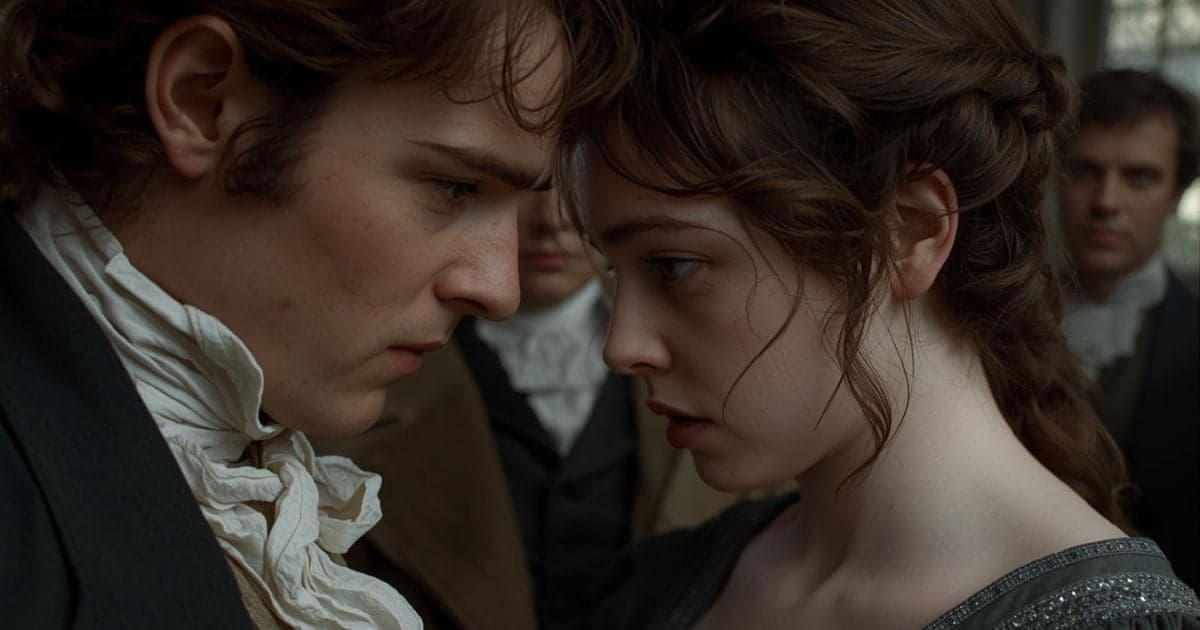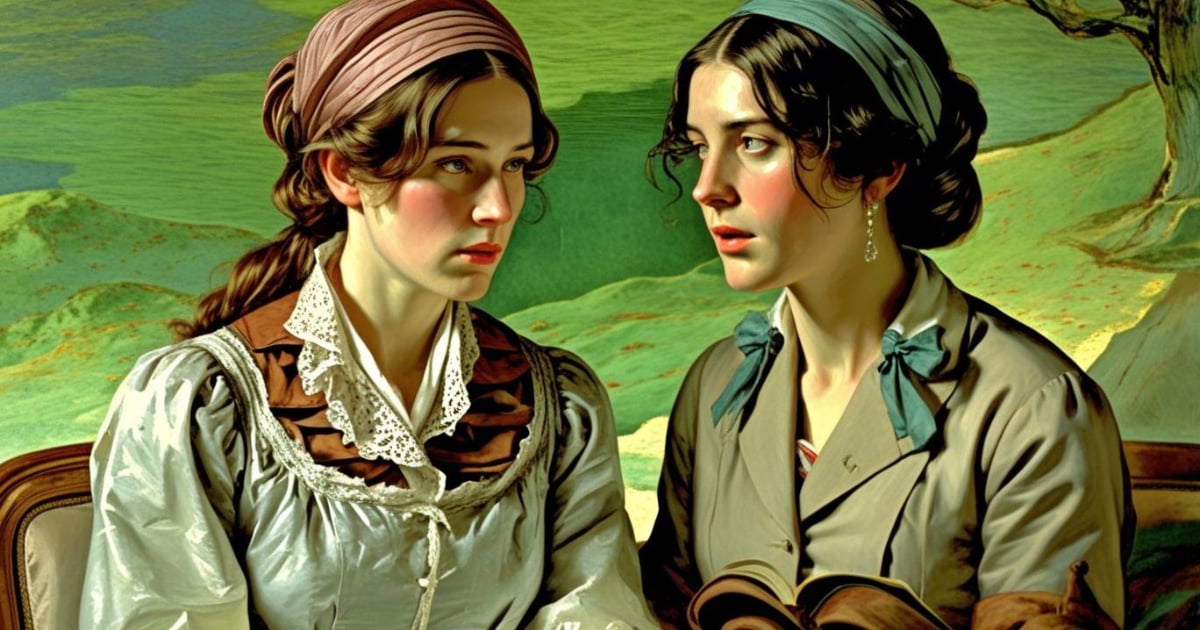
Chapter 43
Unexpected Encounters and Social Boundaries
LIII. “This figure hath high price: ’t was wrought with love Ages ago in finest ivory; Nought modish in it, pure and noble lines Of generous womanhood that fits all time That too is costly ware; majolica Of deft design, to please a lordly eye: The smile, you see, is perfect—wonderful As mere Faience! a table ornament To suit the richest mounting.” Dorothea seldom left home without her husband, but she did occasionally drive into Middlemarch alone, on little errands of shopping or charity such as occur to every lady of any wealth when she lives within three miles of…
Public-domain chapter text, formatted for reading.
Master this chapter. Complete your experience
Purchase the complete book to access all chapters and support classic literature
Available in paperback, hardcover, and e-book formats
Now let's explore the literary elements.
Key Quotes & Analysis
"the dread of that ignorance which would make her unjust or hard, overcame every scruple."
Context: Dorothea decides to ask Lydgate about Casaubon's illness despite guilt
Dorothea's motive is moral self-defense, not curiosity. She fears becoming harsh without facts, which makes the later concealment from Casaubon doubly painful.
In Today's Words:
Dorothea feared not knowing would make her unfair, so she asked the doctor anyway. When love needs truth, guilt about going elsewhere is weaker than dread of judging someone you cannot understand. Before you refuse hidden facts in a marriage, ask whether ignorance will make you harder than truth would.
"there would be a sort of deception in her voluntarily allowing any further intercourse between herself and Will which she was unable to mention to her husband"
Context: Dorothea's reflections driving to the Hospital after leaving the Lydgates' drawing-room
The chapter's hinge is conscience about appearances, not adultery. Dorothea names voluntary allowance of contact she cannot disclose, and flees the scene.
In Today's Words:
Dorothea realized that letting Will keep visiting without telling her husband would be a kind of deception. You can cross no dramatic line and still betray trust by allowing closeness you cannot name at home. If you would be ashamed to describe the friendship to your partner, pause before you continue it.
"Perhaps I have been mistaken in many things,"
Context: Alone in the carriage after hearing Will with Rosamond
Self-doubt arrives with tears, not sermon. Dorothea's clarity about Will spoils before she recovers purpose at the Hospital gate.
In Today's Words:
Dorothea told herself she might have been wrong about many things while she cried in the carriage. Seeing someone you trust in an ordinary social scene can shake a bond you thought was exceptional. When a friendship suddenly looks common, ask what you assumed before you decide you were fooled.
"When one sees a perfect woman, one never thinks of her attributes, one is conscious of her presence."
Context: Answering Rosamond's questions after Dorothea has left
Will provokes Rosamond while deflecting analysis of Dorothea. The line flatters and exposes his worship, which Rosamond will retail to Lydgate.
In Today's Words:
Will told Rosamond that with a perfect woman you feel her presence, not a list of qualities. Romantic praise aimed at one woman often becomes gossip once the room is empty. When someone speaks of another in absolutes, notice who is listening and what story they will carry home.
Thematic Threads
Social Expectations
In This Chapter
All three characters worry about how their innocent interactions might appear to society
Development
Building from earlier themes about reputation and propriety
In Your Life:
You might recognize this when you avoid certain friendships or activities because of how others might judge them
Class Consciousness
In This Chapter
Will feels his social position makes him appear opportunistic when socializing with the wealthy
Development
Deepening exploration of how class differences create barriers between genuine connections
In Your Life:
You might feel this tension when your income or background differs significantly from your friends or romantic interests
Concealment
In This Chapter
Dorothea hides her medical inquiry from Casaubon while feeling guilty about the deception
Development
Continuing theme of characters keeping secrets to avoid conflict
In Your Life:
You might recognize this when you hide purchases, friendships, or concerns from family members to avoid arguments
Power Dynamics
In This Chapter
Rosamond realizes that married women can still inspire devotion and wield romantic influence
Development
Rosamond's growing awareness of her own social and romantic power
In Your Life:
You might notice this when you realize how your attention or approval affects others, even in committed relationships
Authentic Connection
In This Chapter
Will and Dorothea's genuine care for each other is complicated by social positioning and appearances
Development
Ongoing tension between true feeling and social acceptability
In Your Life:
You might experience this when real friendships or attractions are constrained by workplace rules, family expectations, or social norms
You now have the context. Time to form your own thoughts.
Discussion Questions
This is not a test. Five prompts guide you through the chapter, from how it opens to how it closes, so you notice context and rhythm rather than facts to memorize. Sit with each question in your own words. When you see "One way to read it," treat it as a starting point, not the only answer.
- 1
Why does Dorothea feel 'almost guilty' about asking Lydgate for information about her husband's health, yet pursue it anyway?
analysis • surfaceOne way to read it
She knows seeking medical information behind Casaubon's back violates marital trust, but her 'dread of ignorance' that might make her 'unjust or hard' overrides her scruples. Her guilt reveals the impossible position of Victorian wives.
- 2
How does Eliot's contrast between Dorothea's simple dress and Rosamond's 'perfect' fashion reveal their different relationships to society?
analysis • mediumOne way to read it
Dorothea's unfashionable simplicity suggests genuine substance, while Rosamond's expensive perfection represents 'the expensive substitute for simplicity.' Eliot shows how social performance can mask or reveal authentic character.
- 3
What modern workplace or social situation mirrors Dorothea's sudden realization that her interaction with Will requires concealment from her husband?
application • mediumOne way to read it
Professional relationships that feel inappropriate to discuss with a spouse, or social media interactions that cross emotional boundaries. The moment when innocent connection becomes something requiring secrecy marks a crucial threshold.
- 4
How should someone handle discovering their spouse has been concealing interactions with someone they're attracted to, as Dorothea realizes about herself?
application • deepOne way to read it
Honest self-examination about motivations and boundaries, followed by transparent communication with the spouse about the relationship's nature. Concealment often signals the need for difficult but necessary conversations about marriage and attraction.
- 5
What does Will's mortification at being seen with Rosamond reveal about how we construct our identity through others' perceptions?
reflection • deepOne way to read it
Will realizes his social position threatens to 'divide him from her with barriers of habitual sentiment.' We often depend on being seen in the right context by those whose opinions matter most to us.
Critical Thinking Exercise
Map Your Secret-Keeping Patterns
Think of three situations where you're currently hiding information to 'protect' someone - at work, in your family, or with friends. For each situation, write down what you're hiding, why you think they can't handle it, and what complications this secrecy is actually creating. Then consider: what would happen if you were directly honest instead?
Consider:
- •Are you protecting them, or avoiding a difficult conversation for yourself?
- •What signals might they already be picking up that something's wrong?
- •How is maintaining this secret affecting your relationship with this person?
Journaling Prompt
Write about a time when someone hid something from you 'for your own good.' How did it feel when you found out? What would you have preferred they do instead?
Coming Up Next...
Chapter 44: Finding Purpose in Opposition
Dorothea will walk the hospital grounds with Lydgate, pledge two hundred a year to the New Hospital, and bring the gift home to a husband whose distrust reads her charity as espionage At the New Hospital Dorothea learns from Lydgate that Casaubon's body shows no new change beyond mental anxiety to know the truth about his illness. Lydgate seizes the moment to describe Bulstrode's.