Chapter 14
When Good Intentions Meet Reality
“Follows here the strict receipt For that sauce to dainty meat, Named Idleness, which many eat By preference, and call it sweet: First watch for morsels, like a hound Mix well with buffets, stir them round With good thick oil of flatteries, And froth with mean self-lauding lies. Serve warm: the vessels you must choose To keep it in are dead men’s shoes.” Mr. Bulstrode’s consultation of Harriet seemed to have had the effect desired by Mr. Vincy, for early the next morning a letter came which Fred could carry to Mr. Featherstone as the required testimony. The old gentleman…
Public-domain chapter text, formatted for reading.
Master this chapter. Complete your experience
Purchase the complete book to access all chapters and support classic literature
Available in paperback, hardcover, and e-book formats
Now let's explore the literary elements.
Key Quotes & Analysis
"“you don’t suppose I believe a thing because Bulstrode writes it out fine, eh?”"
Context: After reading Bulstrode's letter aloud to Fred
Featherstone treats written respectability as a trick, not proof. He enjoys making Fred squirm between two powerful men who both distrust each other.
In Today's Words:
Featherstone told Fred he was not fool enough to believe something just because Bulstrode wrote it out fine. The old man wanted obedience without granting gratitude, and he enjoyed watching Fred squirm between two powerful men. When an elder makes you carry one authority to defeat another, notice how little your dignity enters the calculation.
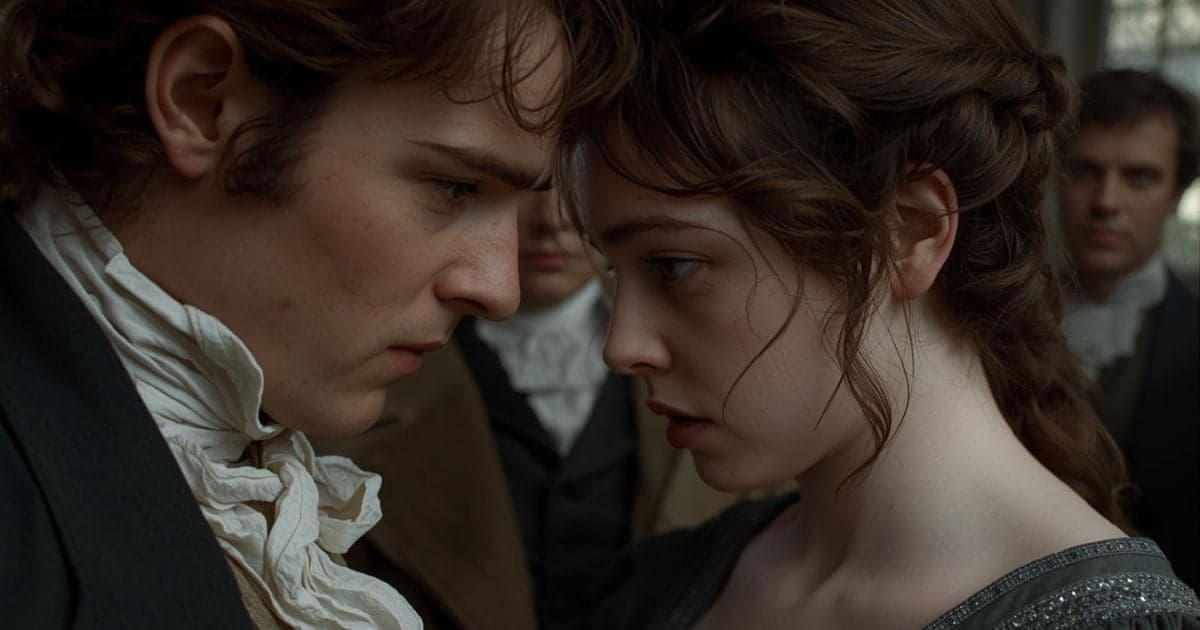
"If I did love you, I would not marry you: I would certainly not promise ever to marry you."
Context: Rejecting Fred's proposal while insisting she is not ungrateful
Mary separates affection from endorsement. Love, for her, would make the promise more dangerous, not more likely, because character must come before union.
In Today's Words:
Mary told Fred that even if she loved him she would not marry him or promise to. She was refusing to reward drift with a future, and she said marrying a debtor would be wicked, not romantic. That is still a hard lesson in families where love gets treated as permission to postpone responsibility indefinitely.
"Might, could, would, they are contemptible auxiliaries."
Context: Fred claims he could be good if he were sure of being loved
Mary rejects conditional virtue. Potential without action is, for her, moral noise rather than evidence.
In Today's Words:
When Fred said he could become worthy if loved, Mary answered that might, could, and would are contemptible auxiliaries. She wanted action, not a forecast, and she told him to pass his examination instead of bargaining with her heart. Promises about who you will be tomorrow often function as rent paid to avoid change today.
"I do like to be spoken to as if I had common-sense."
Context: Explaining why she resents assumptions that every kindness means courtship
Mary's anger is social as much as romantic. She wants dignity in conversation, not flattery dressed as devotion.
In Today's Words:
Mary said she liked being spoken to as if she had common sense. She was tired of every helpful man being read as a suitor and every woman read as vain for noticing. Respect still begins with treating someone's mind as real before you declare their heart available.
Thematic Threads
Class
In This Chapter
Dorothea's cottage improvement plans reveal the complex power dynamics between landowners, tenants, and reformers
Development
Building from earlier chapters showing class differences in education and marriage expectations
In Your Life:
You might see this when trying to help someone in a different economic situation than your own
Idealism
In This Chapter
Dorothea's pure desire to help others meets the messy reality of politics, money, and resistance to change
Development
Continues from her earlier romantic idealization of marriage and scholarship
In Your Life:
You might recognize this when your vision of how things should be conflicts with how things actually work
Power
In This Chapter
Mr. Brooke's polite deflection shows how those in power maintain control by appearing agreeable while changing nothing
Development
Introduced here as a key mechanism of social control
In Your Life:
You might encounter this when bosses or authority figures seem supportive but take no real action
Social Expectations
In This Chapter
Pressure about Dorothea's engagement choice parallels resistance to her reform efforts, both challenge accepted ways
Development
Expanding from earlier focus on marriage expectations to broader social conformity
In Your Life:
You might feel this when your choices or ideas make others uncomfortable about their own lives
Personal Growth
In This Chapter
Dorothea begins learning that good intentions require strategy, allies, and understanding of human nature
Development
Early stage of her education in how the world actually works versus how she thinks it should work
In Your Life:
You might experience this when realizing that wanting to help isn't the same as knowing how to help effectively
You now have the context. Time to form your own thoughts.
Discussion Questions
This is not a test. Five prompts guide you through the chapter, from how it opens to how it closes, so you notice context and rhythm rather than facts to memorize. Sit with each question in your own words. When you see "One way to read it," treat it as a starting point, not the only answer.
- 1
When Featherstone reads Bulstrode's letter aloud, mocking its formal language ('accrue,' 'demise'), what does this reveal about his character and his view of educated society?
analysis • surfaceOne way to read it
Featherstone delights in exposing pretension and fine language as empty performance. His theatrical contempt shows he sees through social facades while enjoying his power over those who depend on him.
- 2
Why does Eliot describe Fred's disappointment at receiving only five twenties as 'the collapse was severe' and connect it to 'absurdity and atheism'?
analysis • mediumOne way to read it
Fred's entire worldview depends on expectations being met by providence. When reality falls short of his hopes, his faith in a benevolent universe crumbles, revealing how his optimism masks deeper anxiety.
- 3
Mary tells Fred that 'an idle man ought not to exist, much less be married.' How might this Victorian attitude toward work and marriage apply to modern relationships?
application • mediumOne way to read it
Today we might question whether financial stability should determine relationship worthiness, yet Mary's insistence on self-sufficiency before commitment reflects ongoing debates about responsibility and partnership readiness.
- 4
If you were Mary's friend, knowing Fred owes money on a bill signed by her father, how would you advise her about his marriage proposal?
application • deepOne way to read it
I'd warn her that Fred's debt directly threatens her family's security. His pattern of expecting rescue rather than earning solutions suggests he'd continue endangering those who care about him.
- 5
Mary says 'If I did love you, I would not marry you.' What does this paradox reveal about the relationship between love and practical wisdom?
reflection • deepOne way to read it
Mary understands that love can lead to destructive choices. True care sometimes means refusing what both people want, protecting the beloved from consequences they can't yet see.
Critical Thinking Exercise
Map the Stakeholders
Choose a problem in your workplace, community, or family that everyone agrees needs fixing but nothing ever gets done about it. Create a simple map of all the people involved: who has decision-making power, who benefits from keeping things the same, who would have to do extra work if changes happened, and who would actually benefit from the fix. Don't judge anyone's position - just identify their real interests and concerns.
Consider:
- •Look beyond what people say to what they actually have at stake
- •Consider both obvious stakeholders and hidden ones who might be affected
- •Think about costs (time, money, effort, risk) as well as benefits for each person
Journaling Prompt
Write about a time when your good intentions ran into unexpected resistance. What were you missing about the other people's perspectives or interests? How might you approach it differently now?
Coming Up Next...
Chapter 15: The Making of a Doctor
Eliot leaves the love plot to unfold Lydgate's past: a boy who opened a Cyclopaedia at random, a medical vocation born from the valves of the heart, Paris ambition, and an actress whose onstage crime shattered his faith in romantic innocence..