Wide Reads
Literature MattersLife IndexEducators
Sign in
Where to Begin
Madame Bovary - The Opera's Dangerous Spell

Gustave Flaubert

Madame Bovary

The Opera's Dangerous Spell

Home›Books›Madame Bovary›Chapter 24
Previous
24 of 35
Next

Summary

The Opera's Dangerous Spell

Madame Bovary by Gustave Flaubert

0:000:00
Listen to Next Chapter

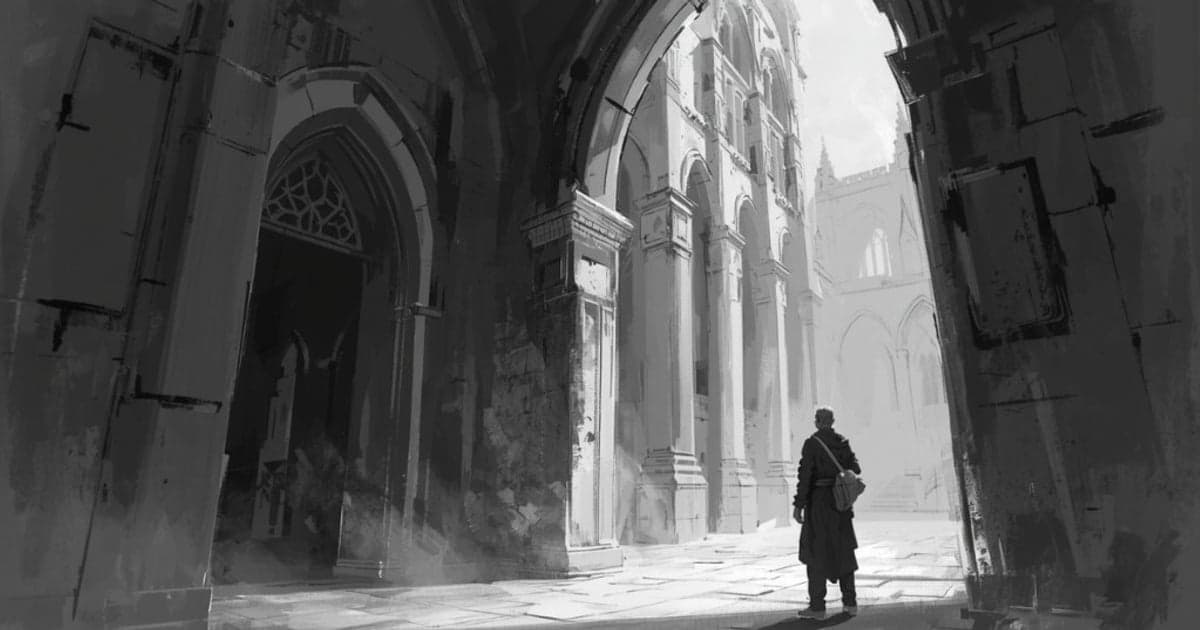
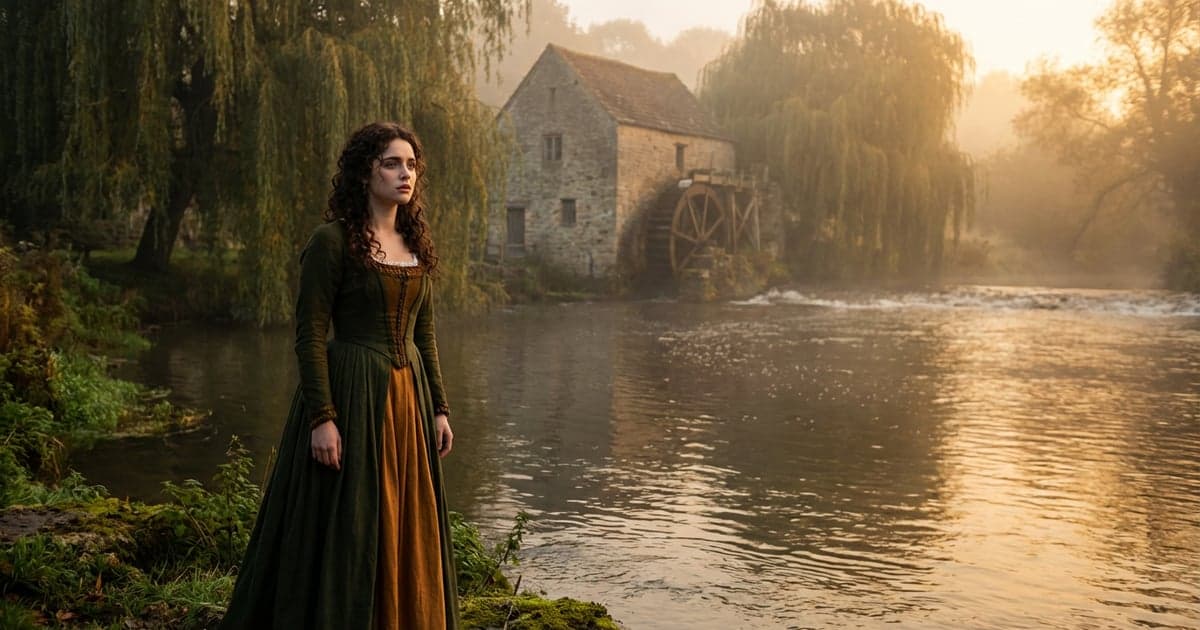
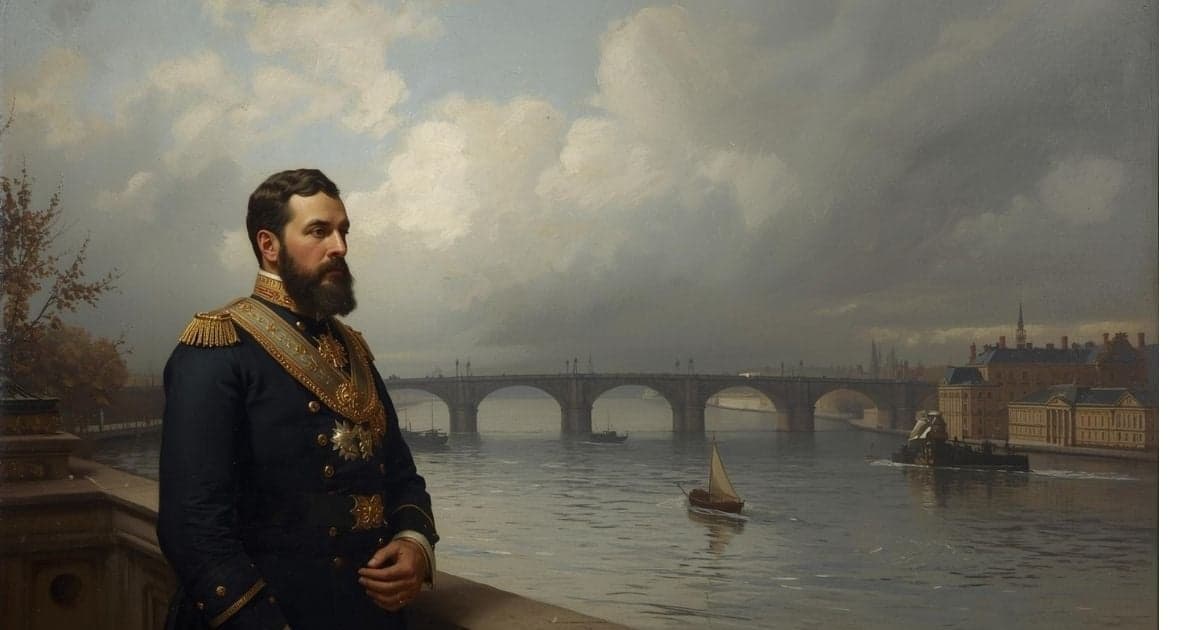
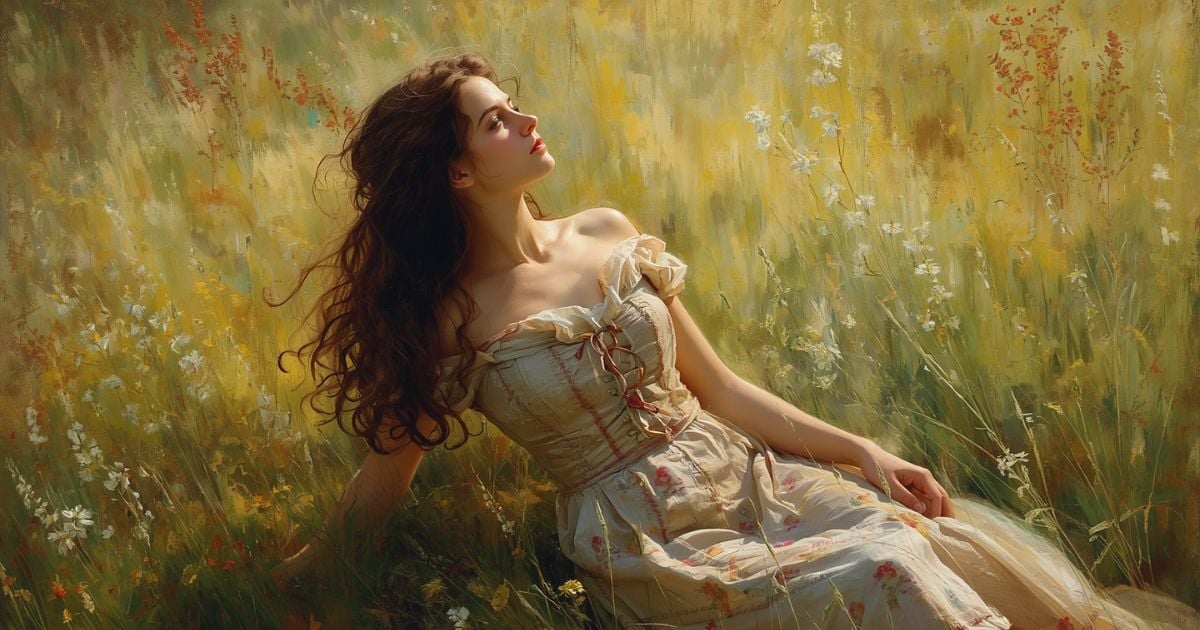
The crowd waited against the wall in the heat; at the corner huge bills repeated in quaint letters: 'Lucie de Lammermoor—Lagardy—Opera.' A warm wind from the river stirred the awnings; from the Rue des Charrettes came an icy current smelling of tallow, leather, and oil. For fear of seeming ridiculous, Emma wished to have a stroll in the harbour before going in, while Bovary prudently kept the tickets pressed against his stomach. Her heart began to beat as soon as she reached the vestibule. She was as pleased as a child to push with her finger the large tapestried door. She breathed in the dusty smell of the lobbies, and when seated in her box bent forward with the air of a duchess. The theatre filled; young beaux strutted in the pit, showing the opening of their waistcoats and their pink or apple-green cravats. The orchestra tuned — a protracted hubbub of basses grumbling, violins squeaking, cornets trumpeting — then three knocks, a rolling of drums, the brass instruments, and the curtain rising discovered a country scene with a fountain shaded by an oak, where peasants and lords sang a hunting-song. She felt herself transported to the reading of her youth, into the midst of Walter Scott. The melodies lullabied her; she gave herself up to them and felt all her being vibrate as if the violin bows were drawn over her nerves. Then Lucie attacked her cavatina in G major: she plained of love, she longed for wings. Emma, too, fleeing from life, would have liked to fly away in an embrace. Suddenly Edgar-Lagardy appeared. He had that splendid pallor that gives something of the majesty of marble to the ardent races of the South, his vigorous form tightly clad in a brown doublet, a small chiselled poniard at his thigh, laughing looks showing white teeth. A Polish princess had heard him sing on the beach at Biarritz where he mended boats, fallen in love with him, ruined herself for him. A fine organ, imperturbable coolness, more temperament than intelligence, more power of emphasis than of real singing — these made up the charm of this admirable charlatan nature, in which there was something of the hairdresser and the toreador. Emma leant forward, clutching the velvet of the box with her nails. She was filling her heart with these melodious lamentations drawn out to the accompaniment of double-basses like the cries of the drowning in a tempest. She recognised all the intoxication and the anguish that had almost killed her. The voice of a prima donna seemed to be but echoes of her conscience. He had not wept like Edgar that last moonlit night when they said 'To-morrow! To-morrow!' When the lovers sang the final adieu, Emma gave a sharp cry that mingled with the vibrations of the last chords. 'But why,' asked Bovary, 'does that gentleman persecute her?' — 'No, no! He is her lover!' He confessed he did not understand the story because of the music, which interfered very much with the words. 'Be quiet! be quiet!' she cried impatiently. Lucie advanced for the wedding scene half-supported by her women, a wreath of orange blossoms in her hair, paler than the white satin of her gown. Emma dreamed of her own marriage day, the little path through the corn to the church. Why had she not, like this woman, resisted, implored? She, on the contrary, had been joyous, without seeing the abyss into which she was throwing herself. Then she tried to see in this reproduction of her sorrows only a plastic fantasy, and smiled internally with disdainful pity — until the great sextet began. Edgar dominated with his clearer voice, silver-gilt spurs clanking on the boards; anger, vengeance, jealousy, terror, and stupefaction breathed forth from half-opened mouths. She thought he must have an inexhaustible love to lavish it upon the crowd with such effusion. Drawn towards this man by the illusion of the character, she tried to imagine his life — resonant, extraordinary, splendid. Through all the kingdoms of Europe she would have travelled with him, capital to capital, sharing his fatigues and his pride, picking up the flowers thrown to him. But the mad idea seized her that he was looking at her — it was certain. She longed to cry out: 'Take me away! carry me with you! Thine, thine! all my ardour and all my dreams!' The curtain fell. The smell of gas mingled with the breaths, the waving of fans made the air suffocating. Charles ran to the refreshment-room for a glass of barley-water and spilt three-fourths of it on the shoulders of a Rouen lady in short sleeves, who uttered cries like a peacock as the cold liquid ran down to her loins; her husband, a mill-owner, raged about indemnity and costs. Charles reached his wife quite out of breath: 'Ma foi! I thought I should have had to stay there. Such a crowd! Just guess whom I met up there — Monsieur Léon!' And as he finished these words the ex-clerk of Yonville entered the box. He held out his hand with the ease of a gentleman; Madame Bovary extended hers, obeying the attraction of a stronger will. She had not felt it since that spring evening when the rain fell on the green leaves and they had said good-bye at the window. She stammered a few hurried words; a voice from the pit cried 'Silence!' for the third act was beginning. They said nothing more. But from that moment she listened no more to the opera. He was standing behind her, leaning against the wall; now and again she felt herself shuddering beneath the hot breath from his nostrils falling upon her hair. The mad scene did not interest Emma. 'She screams too loud,' she said. Léon sighed that the heat was unbearable; she declared she was stifling. He put her long lace shawl carefully about her shoulders and all three went to sit in the harbour, in the open air, outside the windows of a café. They spoke of her illness; Léon mentioned he had come to spend two years at Rouen in a large office to get practice in his profession — different in Normandy and Paris. People leaving the theatre passed along humming 'O bel ange, ma Lucie!' Léon, playing the dilettante, judged Lagardy nowhere beside Tambourini or Rubini. Charles sipped his rum-sherbet and said he regretted leaving before the end; it was beginning to amuse him. Unless, he added, turning to his wife — you would like to stay alone, kitten? At this unexpected opportunity, the young man sang the praises of Lagardy in the last number: superb, sublime. Charles insisted: 'You would get back on Sunday. You are wrong if you feel this is doing you the least good.' The tables around them were emptying; a waiter stood discreetly near. Charles took out his purse; Léon held back his arm and made two silver pieces chink on the marble. They parted before the Saint-Herbland Passage as the cathedral clock struck half-past eleven. Part III begins.

Coming Up in Chapter 25

Emma faces a choice that could change everything. Will she return home to her predictable life with Charles, or will she stay in Rouen where Léon waits and new possibilities beckon?

Share it with friends

Previous ChapterNext Chapter
GO ADS FREE — JOIN US
Original text
complete·2,917 words
C

hapter Fifteen

The crowd was waiting against the wall, symmetrically enclosed between the balustrades. At the corner of the neighbouring streets huge bills repeated in quaint letters “Lucie de Lammermoor-Lagardy-Opera-etc.” The weather was fine, the people were hot, perspiration trickled amid the curls, and handkerchiefs taken from pockets were mopping red foreheads; and now and then a warm wind that blew from the river gently stirred the border of the tick awnings hanging from the doors of the public-houses. A little lower down, however, one was refreshed by a current of icy air that smelt of tallow, leather, and oil. This was an exhalation from the Rue des Charrettes, full of large black warehouses where they made casks.

For fear of seeming ridiculous, Emma before going in wished to have a little stroll in the harbour, and Bovary prudently kept his tickets in his hand, in the pocket of his trousers, which he pressed against his stomach.

1 / 17

Master this chapter. Complete your experience

Purchase the complete book to access all chapters and support classic literature

Read Free on GutenbergBuy at Powell'sBuy on Amazon

As an Amazon Associate, we earn a small commission from qualifying purchases at no additional cost to you.

Available in paperback, hardcover, and e-book formats

GO ADS FREE — JOIN US

Why This Matters

Connect literature to life

Skill: Recognizing Emotional Priming

This chapter teaches how consuming aspirational content when already dissatisfied doesn't inspire—it creates dangerous vulnerability to poor decisions.

Practice This Today

This week, notice when you consume content that makes your real life feel worse by comparison, then ask: am I feeding discontent or genuinely enjoying this?

GO ADS FREE — JOIN US

Now let's explore the literary elements.

Key Quotes & Analysis

"She involuntarily smiled with vanity on seeing the crowd rushing to the right by the other corridor while she went up the staircase to the reserved seats."

— Narrator

Context: Emma enters the theater and feels superior to the common crowd

This reveals Emma's deep need to feel special and above ordinary people. Her vanity and social climbing tendencies make her vulnerable to anyone who can offer her a sense of elevated status.

In Today's Words:

She felt so much better than everyone else when she got to use the VIP entrance.

"She bent forward with the air of a duchess."

— Narrator

Context: Emma posing in her theater box, pretending to be aristocratic

Emma is constantly performing a version of herself that doesn't match her reality. This self-deception makes it easier for her to justify pursuing fantasies that could destroy her real life.

In Today's Words:

She acted like she was royalty or something.

"The performance became more real to her than her actual marriage to Charles."

— Narrator

Context: Emma becoming completely absorbed in the opera's romantic drama

This shows how dangerously disconnected Emma has become from reality. When fantasy feels more authentic than real life, people make devastating choices.

In Today's Words:

The movie felt more real than her actual relationship.

Thematic Threads

Escapism

In This Chapter

Emma loses herself completely in the opera, finding it more real than her actual life with Charles beside her

Development

Evolved from her novel-reading; now she needs increasingly intense fantasy experiences

In Your Life:

You might recognize this when Netflix feels more real than your actual relationships, or when social media fantasies make your real life feel unbearable.

Class Aspiration

In This Chapter

Emma fantasizes about the glamorous artistic life she could have with the opera singer, traveling from city to city

Development

Continues her pattern of believing a different class of life would solve her problems

In Your Life:

You might see this in constantly imagining how much better life would be with more money, status, or a 'better' partner.

Emotional Vulnerability

In This Chapter

The opera's romantic intensity primes Emma perfectly for Léon's reappearance—she's emotionally manipulated by timing

Development

Shows how her earlier romantic disappointments left her more susceptible, not more cautious

In Your Life:

You might notice this when you make relationship decisions right after consuming romantic content or when you're already feeling lonely.

Marital Disconnection

In This Chapter

Charles sits beside Emma confused by the plot, asking mundane questions while she's having an emotional experience

Development

Their fundamental incompatibility becomes more stark—they can't even share entertainment

In Your Life:

You might recognize this when you and your partner consistently enjoy completely different things, or when their presence during your interests feels intrusive rather than comforting.

Opportunity Timing

In This Chapter

Léon appears at exactly the moment Emma is most emotionally primed for romance and dissatisfaction with her real life

Development

Introduced here as a new element showing how external circumstances exploit internal vulnerabilities

In Your Life:

You might see this when tempting opportunities appear right when you're most frustrated with your current situation—job offers when you hate your boss, or attractive people when your relationship is struggling.

GO ADS FREE — JOIN US

You now have the context. Time to form your own thoughts.

Discussion Questions

  1. 1

    What happens to Emma's emotions and thoughts as she watches the opera, and how does this set up her encounter with Léon?

    analysis • surface
  2. 2

    Why does the opera affect Emma so powerfully, and what does this reveal about her current state of mind?

    analysis • medium
  3. 3

    Where do you see people today using entertainment or social media the way Emma uses the opera—to feed fantasies that make real life feel worse?

    application • medium
  4. 4

    If you were Emma's friend and noticed this pattern, how would you help her recognize what's happening without being preachy?

    application • deep
  5. 5

    What does Emma's reaction to the opera teach us about the difference between healthy escapism and dangerous fantasy-feeding?

    reflection • deep

Critical Thinking Exercise

10 minutes

Track Your Content Diet

For the next 24 hours, notice what you consume when you're feeling dissatisfied—social media, shows, music, books. Write down three examples and honestly assess: did this content make you feel better about your actual life, or did it make you feel like your life isn't enough? Look for the pattern Emma shows us.

Consider:

  • •Pay attention to your mood BEFORE you start consuming content—are you already feeling restless or dissatisfied?
  • •Notice the difference between content that genuinely entertains versus content that makes you compare your life to something else
  • •Consider whether you're using this content to avoid dealing with a real problem you could actually solve

Journaling Prompt

Write about a time when you got so caught up in a fantasy (from a movie, book, social media, etc.) that it made you dissatisfied with something good in your real life. What was the real issue you were avoiding?

GO ADS FREE — JOIN US

Coming Up Next...

Chapter 25: The Cathedral Seduction

Emma faces a choice that could change everything. Will she return home to her predictable life with Charles, or will she stay in Rouen where Léon waits and new possibilities beckon?

Continue to Chapter 25
Previous
Debt, Devotion, and Deception
Contents
Next
The Cathedral Seduction

Continue Exploring

Madame Bovary Study GuideTeaching ResourcesEssential Life IndexBrowse by ThemeAll Books
Love & RelationshipsSocial Class & StatusIdentity & Self-Discovery

You Might Also Like

Jane Eyre cover

Jane Eyre

Charlotte Brontë

Explores personal growth

Great Expectations cover

Great Expectations

Charles Dickens

Explores personal growth

The Strange Case of Dr Jekyll and Mr Hyde cover

The Strange Case of Dr Jekyll and Mr Hyde

Robert Louis Stevenson

Explores personal growth

Don Quixote cover

Don Quixote

Miguel de Cervantes Saavedra

Explores personal growth

Browse all 47+ books
GO ADS FREE — JOIN US

Share This Chapter

Know someone who'd enjoy this? Spread the wisdom!

TwitterFacebookLinkedInEmail

Read ad-free with Prestige

Get rid of ads, unlock study guides and downloads, and support free access for everyone.

Subscribe to PrestigeCreate free account
Intelligence Amplifier
Intelligence Amplifier™Powering Wide Reads

Exploring human-AI collaboration through books, essays, and philosophical dialogues. Classic literature transformed into navigational maps for modern life.

2025 Books

→ The Amplified Human Spirit→ The Alarming Rise of Stupidity Amplified→ San Francisco: The AI Capital of the World
Visit intelligenceamplifier.org
hello@widereads.com

WideReads Originals

→ You Are Not Lost→ The Last Chapter First→ The Lit of Love→ Wealth and Poverty→ 10 Paradoxes in the Classics · coming soon
Arvintech
arvintechAmplify your Mind
Visit at arvintech.com

Navigate

  • Home
  • Library
  • Essential Life Index
  • How It Works
  • Subscribe
  • Account
  • About
  • Contact
  • Authors
  • Suggest a Book
  • Landings

Made For You

  • Students
  • Educators
  • Families
  • Readers
  • Literary Analysis
  • Finding Purpose
  • Letting Go
  • Recovering from a Breakup
  • Corruption
  • Gaslighting in the Classics

Newsletter

Weekly insights from the classics. Amplify Your Mind.

Legal

  • Privacy Policy
  • Terms of Service
  • Cookie Policy
  • Accessibility

Why Public Domain?

We focus on public domain classics because these timeless works belong to everyone. No paywalls, no restrictions—just wisdom that has stood the test of centuries, freely accessible to all readers.

Public domain books have shaped humanity's understanding of love, justice, ambition, and the human condition. By amplifying these works, we help preserve and share literature that truly belongs to the world.

A Pilgrimage

Powell's City of Books

Portland, Oregon

If you ever find yourself in Portland, walk to the corner of Burnside and 10th. The building takes up an entire city block. Inside is over a million books, new and used on the same shelf, organized by color-coded rooms with names like the Rose Room and the Pearl Room. You can lose an afternoon. You can lose a weekend. You will find a book you have been looking for your whole life, and three you did not know existed.

It is a pilgrimage. We cannot find a bookstore like it anywhere on earth. If you read the classics, and you ever get the chance, go. It belongs on every reader's bucket list.

Visit powells.com

We are not in any way affiliated with Powell's. We are just a very big fan.

© 2026 Wide Reads™. All Rights Reserved.

Intelligence Amplifier™ and Wide Reads™ are proprietary trademarks of Arvin Lioanag.

Copyright Protection: All original content, analyses, discussion questions, pedagogical frameworks, and methodology are protected by U.S. and international copyright law. Unauthorized reproduction, distribution, web scraping, or use for AI training is strictly prohibited. See our Copyright Notice for details.

Disclaimer: The information provided on this website is for general informational and educational purposes only and does not constitute professional, legal, financial, or technical advice. While we strive to ensure accuracy and relevance, we make no warranties regarding completeness, reliability, or suitability. Any reliance on such information is at your own risk. We are not liable for any losses or damages arising from use of this site. By using this site, you agree to these terms.