Chapter 26
Preparing for Life's Final Test
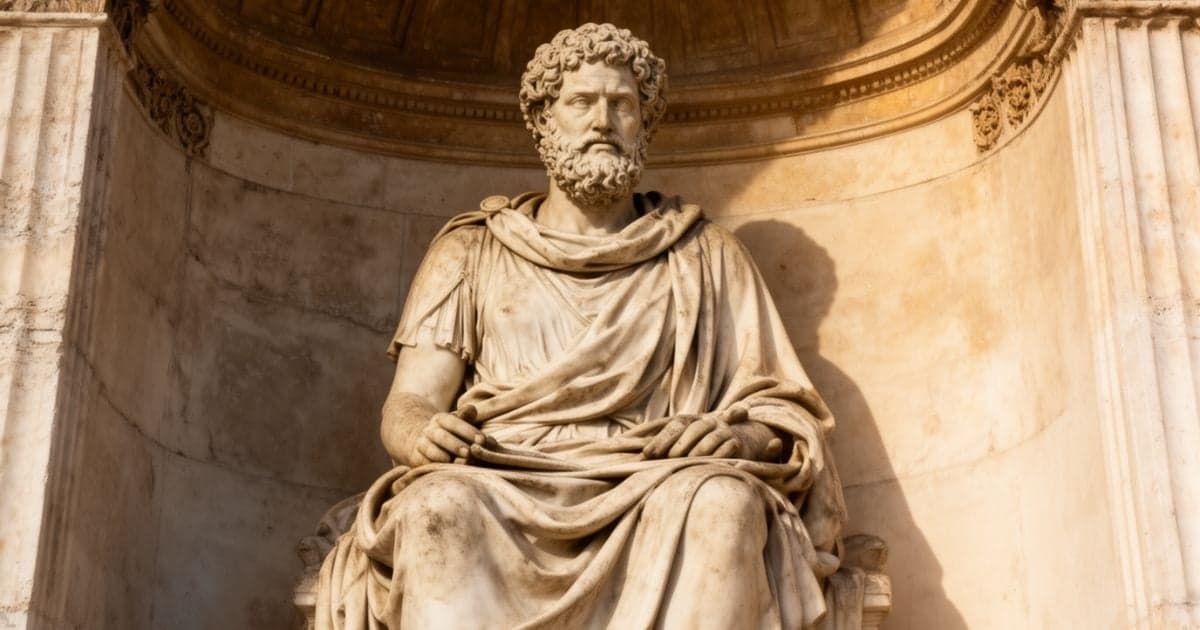
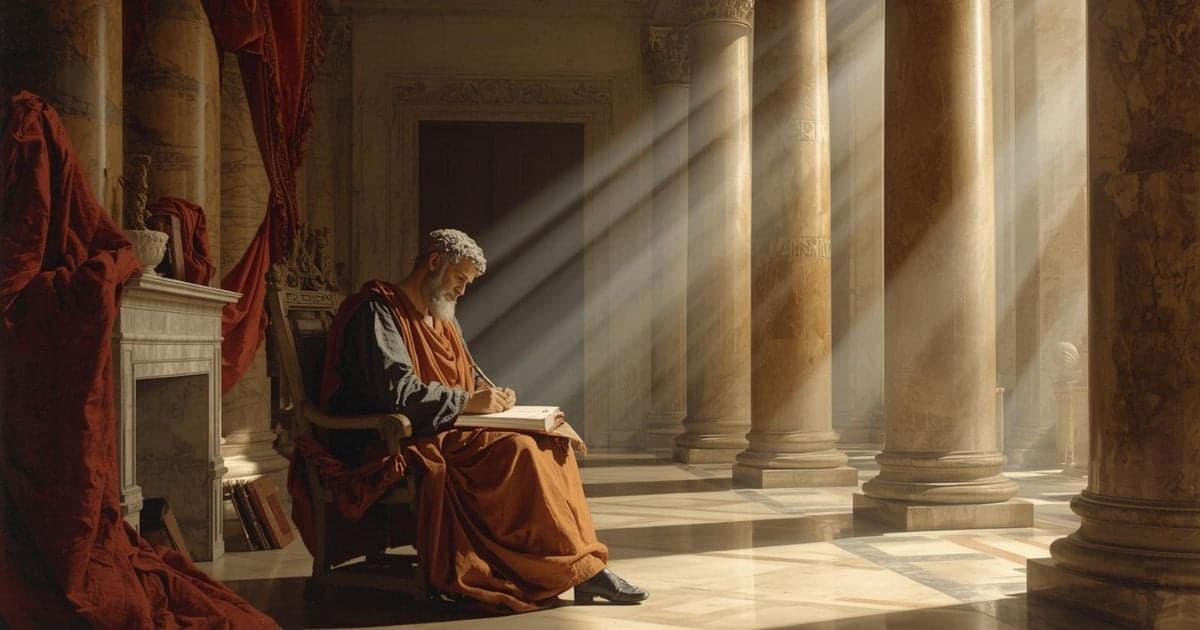
1.I was just lately telling you that I was within sight of old age.[1] I am now afraid that I have left old age behind me. For some other word would now apply to my years, or at any rate to my body; since old age means a time of life that is weary rather than crushed. You may rate me in the worn-out class,—of those who are nearing the end. 2. Nevertheless, I offer thanks to myself, with you as witness; for I feel that age has done no damage to my mind, though I feel its effects…
Public-domain chapter text, formatted for reading.
Master this chapter. Complete your experience
Purchase the complete book to access all chapters and support classic literature

Available in paperback, hardcover, and e-book formats
Now let's explore the literary elements.
Key Quotes & Analysis
"Only my vices, and the outward aids to these vices, have reached senility; my mind is strong and rejoices that it has but slight connexion with the body"
Context: Body aging while the mind stays vigorous
Vices age; disciplined thought can strengthen.
In Today's Words:
Seneca says only his vices and their outward aids have reached senility while his mind stays strong and rejoices in slight connexion with the body. Physical decline does not have to mean moral decay. Ask which habits are aging badly while your judgment still has room to grow.
"mind bids me do some thinking and consider how much of this peace of spirit and moderation of character I owe to wisdom and how much to my time of life"
Context: Auditing peace owed to wisdom versus age
Progress needs honest accounting.
In Today's Words:
Seneca says his mind bids him consider how much peace and moderation he owes to wisdom and how much to mere age. Calm can come from practice or from fatigue, and the difference matters. Audit whether your steadiness is earned skill or accidental circumstance. Apply that test to one real decision you face in the
"Think on death,” or rather, if you prefer the phrase, on “migration to heaven"
Context: Measuring philosophical progress
Mortality contemplation clarifies values.
In Today's Words:
Epicurus, quoted by Seneca, commands think on death, or migration to heaven, to test progress. Remembering the limit steadies petty panic. Use a short mortality reflection to shrink threats that only feel ultimate because you avoid naming them. Apply that test to one real decision you face in the next few days.
"He who has learned to die has unlearned slavery; he is above any external power, or, at any rate, he is beyond it"
Context: Freedom from fear of external power
Accepted mortality ends coercive bargaining.
In Today's Words:
Seneca says he who has learned to die has unlearned slavery and is above or beyond external power. When the worst loss is faced, lesser threats lose leverage. Notice who profits from your terror of losing security and whether dignity is worth the price. Apply that test to one real decision you face in the
Thematic Threads
Mortality
In This Chapter
Seneca frames death not as the enemy but as the ultimate test that reveals true character and the key to authentic living
Development
Introduced here as central theme
In Your Life:
You might notice how fear of job loss, health problems, or financial ruin controls your daily decisions
Authenticity
In This Chapter
True character only emerges when facing death—all our public personas and careful image management become irrelevant
Development
Building on earlier discussions of genuine vs. performed virtue
In Your Life:
You might recognize how you modify your behavior based on who might be watching or judging
Freedom
In This Chapter
Liberation comes through accepting mortality rather than fighting it—when death holds no terror, external pressures lose power
Development
Expanding the concept of philosophical freedom into practical life navigation
In Your Life:
You might see how accepting worst-case scenarios actually reduces their power over you
Aging
In This Chapter
Seneca honestly confronts physical decline while celebrating mental growth—the body weakens but wisdom strengthens
Development
Introduced here as personal reflection
In Your Life:
You might notice how society's fear of aging affects your own relationship with getting older
You now have the context. Time to form your own thoughts.
Discussion Questions
This is not a test. Five prompts guide you through the chapter, from how it opens to how it closes, so you notice context and rhythm rather than facts to memorize. Sit with each question in your own words. When you see "One way to read it," treat it as a starting point, not the only answer.
- 1
Seneca says he may have left old age behind and now belongs to the worn-out class nearing the end, yet thanks himself that age has not damaged his mind. What distinction is he drawing?
analysis • surfaceOne way to read it
The body is weary and declining, but mental strength can remain. He measures progress by mind and vices aging, not by pretending the body is untouched.
- 2
Seneca reports his vices have aged and weakened even as his mind stays strong. What does it mean for faults to grow old with you?
analysis • mediumOne way to read it
Long habit dulls some appetites even when the body fails. Philosophy can outlast physical force if vices lose vigor while judgment holds.
- 3
Seneca writes that he who has learned to die has unlearned slavery and is beyond prisons, bonds, and bars. How does fear of death make people obey what they despise?
application • mediumOne way to read it
Love of life at any cost trades freedom for safety. Threats work because we cling to duration more than to dignity.
- 4
Seneca calls love of life the one chain that binds us, saying it may be rubbed away though not cast off, so necessity finds us ready. What daily practice rubs that chain thinner?
application • deepOne way to read it
Regular memento mori, accepting loss, and choosing nobility over extension prepare you to act when death or duty demands without panic.
- 5
Seneca watches himself before the final journey like weather, not with alarm but attention. How is preparing for death different from morbid obsession?
reflection • deepOne way to read it
Preparation frees you to live now without slavery to every threat. Obsession fixates on ending; Seneca trains readiness so life keeps its force.
Critical Thinking Exercise
Map Your Fear-Based Decisions
Draw a simple chart with two columns: 'Decisions I make from fear' and 'Decisions I would make if I weren't afraid.' Think about your job, relationships, and daily choices. Fill in both sides honestly. Then circle one fear-based decision you could change this week.
Consider:
- •Notice the difference between reasonable caution and fear-based paralysis
- •Consider what you're really afraid of losing and whether that fear serves you
- •Think about people you know who seem less controlled by these fears - what's different about them?
Journaling Prompt
Write about a time when you made a decision based on fear of consequences rather than what you believed was right. What would you do differently now?
Coming Up Next...
Chapter 27: The Good That Lasts Forever
Seneca turns the tables, questioning whether he has any right to give advice when he's still working on his own flaws. This leads to a deeper exploration of what truly endures in life and what we can count on when everything else falls away.