Wide Reads
Literature MattersLife IndexEducators
Sign in
Where to Begin

Death as Life's Greatest Teacher — Letters from a Stoic

Letters from a Stoic - Death as Life's Greatest Teacher

Seneca

Letters from a Stoic

Death as Life's Greatest Teacher

Home›Books›Letters from a Stoic›Chapter 102: Death as Life's Greatest Teacher
Previous
102 of 124
Next

Analysis by the Wide Reads editorial team·Reviewed against the source text·Updated December 11, 2025

Summary

Death as Life's Greatest Teacher

Letters from a Stoic by Seneca

0:000:00
Listen to Next Chapter

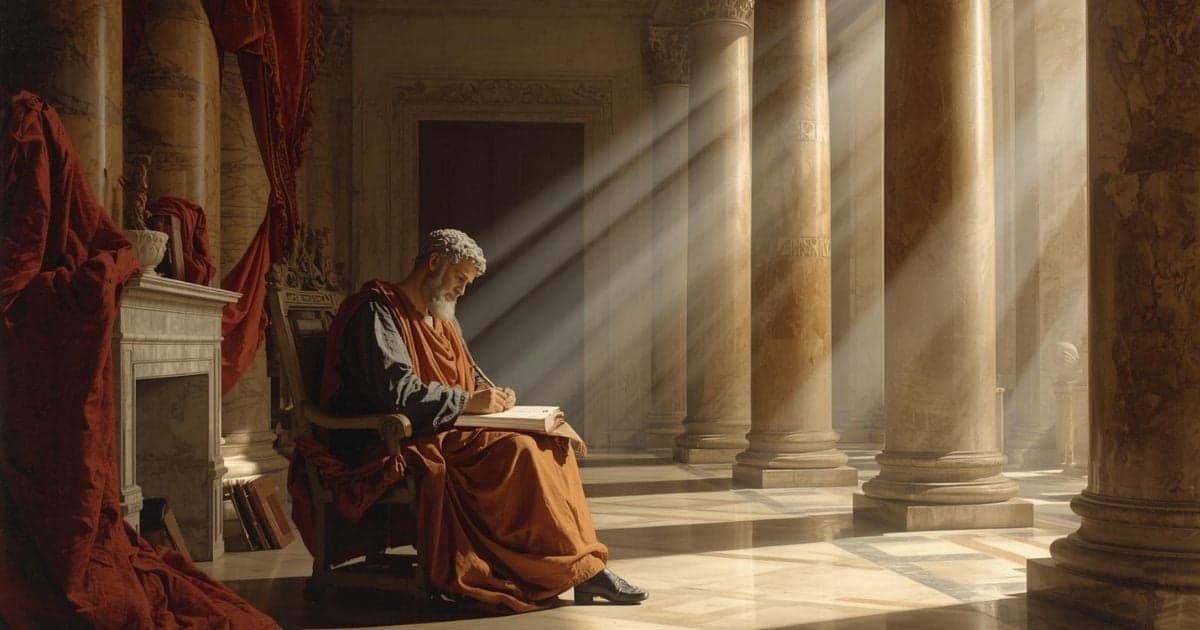
Seneca was in the middle of a pleasant meditation on the immortality of the soul when Lucilius's letter arrived and pulled him out of it. Letter 102 opens with that mild complaint and then turns to the actual question at hand: can posthumous fame be a good? The puzzle is Stoic in flavor, a good must be something the person can actually possess, and the dead cannot possess anything.

Seneca works through the argument carefully, distinguishing between goods that are present and goods that are coming, and between what we have and what we anticipate. But the letter lifts out of the technical question and into something larger: what does it mean to contemplate your own death, and can that contemplation be genuinely pleasant? Seneca finds that it can.

He is not performing equanimity; he is describing what it actually feels like to be weary of the fragments of a shattered existence and ready to pass into infinity. The letter ends where it began, with the idea that a great man serves as an example even after death, and that memory of a noble life is as useful to us as his presence was. Often our thoughts run back to the hero.

Often the glory won by his race recurs to the mind. This is why it matters how we live.

In this chapter: Terms Characters Key Quotes Themes Modern Story

Why This Matters

Connect literature to life

Skill: Letting Philosophy Interrupt Pleasant Illusions

A pleasant dream interrupted feels like injury until you see what woke you. Seneca had been weary of life and drifting toward eternity when Lucilius's letter on death's indifference roused him like a man woken from pleasant dreams, yet he admits the letter did him an injury worth receiving. Welcome one hard truth this week that interrupts a comforting illusion.

Coming Up in Chapter 103

After exploring death's transformative power, Seneca turns to a more immediate danger: the living people around us. He examines how our daily associations can either elevate or corrupt us, and why choosing our company carefully might be the most important decision we make.

Share it with friends

PreviousPrevious ChapterNextNext Chapter
Original text
2,946 wordscomplete

Chapter 102

Death as Life's Greatest Teacher

1.Just as a man is annoying when he rouses a dreamer of pleasant dreams (for he is spoiling a pleasure which may be unreal but nevertheless has the appearance of reality), even so your letter has done me an injury. For it brought me back abruptly, absorbed as I was in agreeable meditation and ready to proceed still further if it had been permitted me. 2. I was taking pleasure in investigating the immortality of souls, nay, in believing that doctrine. For I was lending a ready ear to the opinions of the great authors, who not only approve…

Public-domain chapter text, formatted for reading.

Master this chapter. Complete your experience

Purchase the complete book to access all chapters and support classic literature

Buy at Powell'sBuy on Amazon

Available in paperback, hardcover, and e-book formats

Now let's explore the literary elements.

Key Quotes & Analysis

"weary of myself, beginning already to despise the fragments of my shattered existence,[1] and feeling that I was destined to pass over into that infinity of time and the heritage of eternity"

— Seneca

Context: Before reading Lucilius

Weariness precedes insight.

In Today's Words:

Seneca was weary of himself, despising his shattered existence and feeling destined for eternity. Exhaustion opened him to deeper questions. Notice when comfort with decline signals need for awakening. Apply that test to one real decision you face in the next few days. Apply that test to one real decision you face in the next

"annoying when he rouses a dreamer of pleasant dreams (for he is spoiling a pleasure which may be unreal but nevertheless has the appearance of reality), even so your letter has done me an injury."

— Seneca

Context: On Lucilius's letter

Truth interrupts pleasure.

In Today's Words:

Seneca compares Lucilius to one who rouses a dreamer of pleasant dreams. Hard teaching spoils unreal joy. Expect philosophy sometimes to feel rude before it helps. Apply that test to one real decision you face in the next few days. Apply that test to one real decision you face in the next few days.

"letter has done me an injury."

— Seneca

Context: On being awakened

Growth can hurt first.

In Today's Words:

Seneca says Lucilius's letter has done him injury by breaking a lovely reverie. Useful pain is still pain. Accept disturbance when it calls you back to reality. Apply that test to one real decision you face in the next few days. Apply that test to one real decision you face in the next few days.

"death is a good; for I had not solved the problem with which we are usually confronted: “No good can consist of things that are distinct and separate; yet renown consists of such things."

— Seneca

Context: On the letter's topic

Premise unsettles habit.

In Today's Words:

Seneca entertains whether death is a good, a problem he had not yet solved. Unsettled questions can reopen stagnant thought. Let serious premises challenge your usual fears. Apply that test to one real decision you face in the next few days. Apply that test to one real decision you face in the next few days.

Thematic Threads

Perspective

In This Chapter

Seneca reframes death from ending to beginning, using the womb-to-birth analogy to shift from fear to acceptance

Development

Builds on earlier themes of mental freedom and choosing your response to external events

In Your Life:

You might need to reframe a job loss, health diagnosis, or relationship change to find your way forward.

Attachment

In This Chapter

He describes our body and earthly life as temporary lodging—useful but not permanent, like luggage in a hotel

Development

Deepens previous discussions about not being enslaved by external circumstances

In Your Life:

You might be holding too tightly to a role, status, or situation that was always meant to be temporary.

Fear

In This Chapter

Fear of death stems from attachment to what was always temporary—understanding this removes the fear

Development

Extends earlier themes about courage and facing what you cannot control

In Your Life:

Your fears about change might be coming from attachment to a current situation rather than the change itself.

Identity

In This Chapter

Seneca argues our true self is much larger than our physical existence—we're meant for something grander

Development

Builds on themes of inner worth versus external validation and social position

In Your Life:

You might be defining yourself too narrowly by your current circumstances instead of your larger potential.

Transformation

In This Chapter

Death is presented as transformation rather than termination—stripping away non-essentials to reveal truth

Development

Connects to ongoing themes about personal growth and becoming who you're meant to be

In Your Life:

Major life changes might be clearing away what no longer serves you rather than destroying who you are.

You now have the context. Time to form your own thoughts.

Discussion Questions

This is not a test. Five prompts guide you through the chapter, from how it opens to how it closes, so you notice context and rhythm rather than facts to memorize. Sit with each question in your own words. When you see "One way to read it," treat it as a starting point, not the only answer.

  1. 1

    Seneca was absorbed in pleasant meditation on the soul's immortality when Lucilius's letter interrupted him. What question pulls him back?

    ▶One way to read it

    Whether posthumous fame can be a good. The letter shifts him from agreeable speculation to a Stoic puzzle about what the dead can possess.

    analysis • surface
  2. 2

    Seneca distinguishes goods that are present from those merely anticipated. Why does that matter for fame after death?

    ▶One way to read it

    A good must be something one can hold. Fame after death is not possessed by the dead, so it cannot be their good in the strict sense.

    analysis • medium
  3. 3

    Seneca says contemplating death makes a man unafraid of armies, trumpets, and threats. How does that connect to the fame argument?

    ▶One way to read it

    Facing mortality frees you from terror of external force. Whether the soul survives or scatters, aligning with death undercuts fear that fame tries to soothe.

    application • medium
  4. 4

    Seneca closes that a noble man's presence helps no less than his memory, and example helps us greatly. What practical role does memory play?

    ▶One way to read it

    Dead heroes still shape conduct through recalled example. Memory aids the living even when posthumous fame is not a personal good of the dead.

    application • deep
  5. 5

    Seneca admits he was weary of himself and welcomed noble hope about the soul. When does speculative comfort distract from living well now?

    ▶One way to read it

    When pleasant doctrine replaces present reform. Immortality talk can soothe without changing conduct; death's lesson should make you braver today.

    reflection • deep

Critical Thinking Exercise

15 minutes

Reframe Your Biggest Fear

Think of something you're dreading or avoiding because it feels like an ending or loss. Write down all the ways you currently frame this situation. Then, actively search for alternative perspectives - how might someone who's successfully navigated this challenge see it differently? What opportunities or growth might be hidden in what looks like pure loss?

Consider:

  • •Look for examples of people who found unexpected benefits in similar situations
  • •Consider what this challenge might be preparing you for or teaching you
  • •Ask yourself what you might be clinging to that's actually holding you back

Journaling Prompt

Write about a past experience that felt devastating at the time but led to something better. What did that teach you about your ability to handle uncertainty and change?

Coming Up Next...

Chapter 103: The Real Danger Walks Among Us

After exploring death's transformative power, Seneca turns to a more immediate danger: the living people around us. He examines how our daily associations can either elevate or corrupt us, and why choosing our company carefully might be the most important decision we make.

Continue to Chapter 103
Previous
Death Doesn't Wait for Your Plans
Contents
Next
The Real Danger Walks Among Us
Keep exploring

Continue Exploring

Study guides, teaching tools, themes, and the full library.More ways to read Letters from a Stoic: study guides, teaching tools, and the wider library.

  • Letters from a Stoic Study Guide
  • Teaching Resources
  • Essential Life Index
  • Browse by Theme
  • All Books

Life-skill deep dives in Letters from a Stoic

  • Choosing Friendships WiselySeneca on true friendship, toxic company, and the inner circle: how the people you keep either improve you or slowly become you.
  • Dealing with AdversitySeneca on illness, exile, loss, and hardship: how to endure what you cannot remove without surrendering your judgment or dignity.
  • Emotional RegulationSeneca on anger, fear, and grief: how to feel without being ruled, and how emotional storms pass through those who train the mind.
  • Facing Mortality with CourageSeneca on memento mori without morbidity: prepare for death early, drain its terror, and let mortality clarify how you live now.
  • Living According to ValuesSeneca on integrity, virtue, and the gap between what we praise and what we do: close it before wealth, crowds, or comfort make hypocrisy normal.
  • Managing Time and PrioritiesSeneca on guarding your hours: reclaim time from distraction, busywork, and other people

You Might Also Like

Meditations cover

Meditations

Marcus Aurelius

Explores personal growth

The Dhammapada cover

The Dhammapada

Buddha

Explores suffering & resilience

The Enchiridion cover

The Enchiridion

Epictetus

Explores suffering & resilience

The Consolation of Philosophy cover

The Consolation of Philosophy

Boethius

Explores suffering & resilience

Browse all 106+ books

Share This Chapter

Know someone who'd enjoy this? Spread the wisdom!

TwitterFacebookLinkedInEmail

Go further with Prestige

Unlock study guides and downloads, early access, and exclusive content — and support free access for everyone.

Subscribe to PrestigeCreate free account
Intelligence Amplifier
Intelligence Amplifier™Powering Wide Reads

Exploring human-AI collaboration through books, essays, and philosophical dialogues. Classic literature transformed into navigational maps for modern life.

2025 Books

→ The Amplified Human Spirit→ The Alarming Rise of Stupidity Amplified→ San Francisco: The AI Capital of the World
Visit intelligenceamplifier.org
hello@widereads.com

WideReads Originals

→ You Are Not Lost→ The Last Chapter First→ The Lit of Love→ Wealth and Poverty→ Wisdom for the Wounded
Arvintech
arvintechAmplify your Mind
Visit at arvintech.com

Navigate

  • Home
  • Library
  • Essential Life Index
  • How It Works
  • Subscribe
  • Account
  • About
  • Contact
  • Authors
  • Suggest a Book
  • Landings

Made For You

  • Trending
  • Students
  • Educators
  • Families
  • Readers
  • Literary Analysis
  • Finding Purpose
  • Letting Go
  • Recovering from a Breakup
  • Corruption
  • Gaslighting in the Classics

Newsletter

Weekly insights from the classics. Amplify Your Mind.

Legal

  • Privacy Policy
  • Terms of Service
  • Editorial Standards
  • Cookie Policy
  • Accessibility

Why Public Domain?

We focus on public domain classics because these timeless works belong to everyone. No paywalls, no restrictions—just wisdom that has stood the test of centuries, freely accessible to all readers.

Public domain books have shaped humanity's understanding of love, justice, ambition, and the human condition. By amplifying these works, we help preserve and share literature that truly belongs to the world.

A Pilgrimage

Powell's City of Books

Portland, Oregon

If you ever find yourself in Portland, walk to the corner of Burnside and 10th. The building takes up an entire city block. Inside is over a million books, new and used on the same shelf, organized by color-coded rooms with names like the Rose Room and the Pearl Room. You can lose an afternoon. You can lose a weekend. You will find a book you have been looking for your whole life, and three you did not know existed.

It is a pilgrimage. We cannot find a bookstore like it anywhere on earth. If you read the classics, and you ever get the chance, go. It belongs on every reader's bucket list.

Visit powells.com

We are not in any way affiliated with Powell's. We are just a very big fan.

© 2026 Wide Reads™. All Rights Reserved.

Intelligence Amplifier™ and Wide Reads™ are proprietary trademarks of Arvin Lioanag.

Copyright Protection: All original content, analyses, discussion questions, pedagogical frameworks, and methodology are protected by U.S. and international copyright law. Unauthorized reproduction, distribution, web scraping, or use for AI training is strictly prohibited. See our Copyright Notice for details.

Disclaimer: The information provided on this website is for general informational and educational purposes only and does not constitute professional, legal, financial, or technical advice. While we strive to ensure accuracy and relevance, we make no warranties regarding completeness, reliability, or suitability. Any reliance on such information is at your own risk. We are not liable for any losses or damages arising from use of this site. By using this site, you agree to these terms.