
Chapter 13
Size Matters: Navigating Vulnerability in an Oversized World
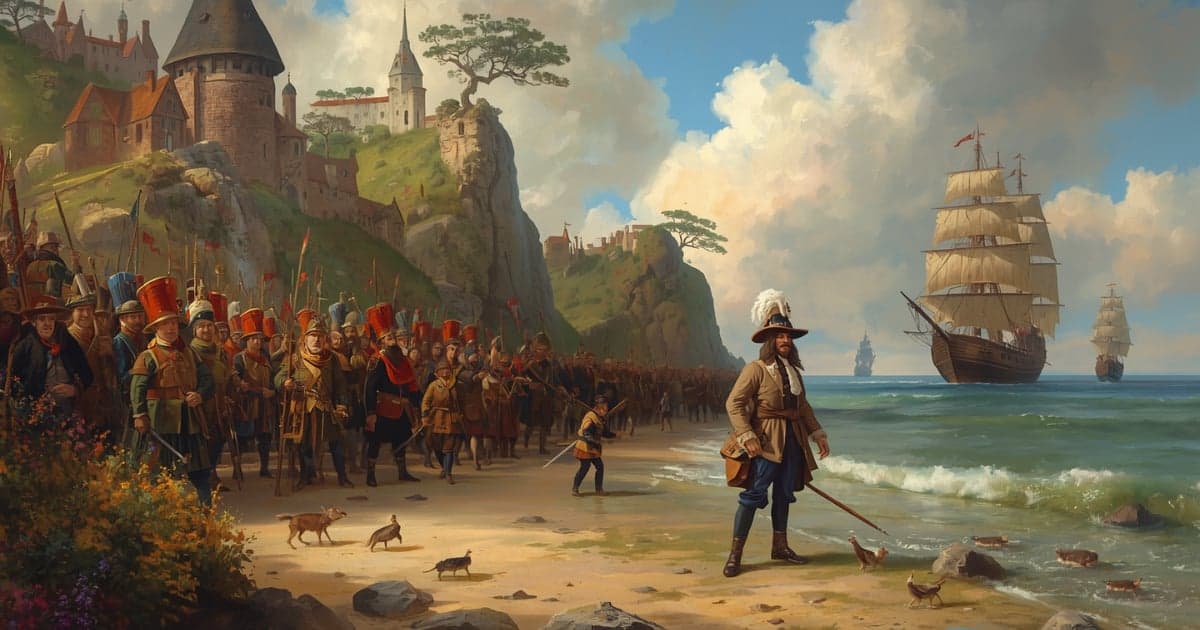
Several adventures that happened to the author. The execution of a criminal. The author shows his skill in navigation. I should have lived happy enough in that country, if my littleness had not exposed me to several ridiculous and troublesome accidents; some of which I shall venture to relate. Glumdalclitch often carried me into the gardens of the court in my smaller box, and would sometimes take me out of it, and hold me in her hand, or set me down to walk. I remember, before the dwarf left the queen, he followed us one day into those gardens, and…
Public-domain chapter text, formatted for reading.
Critical Thinking Exercise
Map Your Power Dynamics
Think of three different relationships or situations in your life - one where you have more power, one where you have less, and one where power feels equal. For each situation, write down how the same action (like making a suggestion or expressing frustration) gets received differently based on the power dynamic at play.
Consider:
- •Notice how your tone, word choice, and approach automatically shift based on who has more power
- •Consider whether the power gap is based on job title, money, age, knowledge, or social status
- •Think about times when you've been on both sides - dismissed someone weaker or been dismissed by someone stronger
Journaling Prompt
Write about a time when you tried to prove yourself to someone who had power over you. What happened, and what would you do differently now knowing that sometimes the attempt to prove worth actually reinforces the power gap?
Master this chapter. Complete your experience
Purchase the complete book to access all chapters and support classic literature

Available in paperback, hardcover, and e-book formats
You Might Also Like


Lessons from Gulliver's Travels
Theme-by-theme analyses that connect this book to modern life skills.
Reading the Outside Mirror
Hear the Brobdingnag king call Europe vermin, then the Houyhnhnms describe Yahoos, until a calm account of your kind leaves no reply.
6 chapters·Explore AnalysisAvoiding Righteous Isolation
Stay with the return to Redriff: the stable, the long table, and the contempt that makes a better standard unlivable.
4 chapters·Explore AnalysisReading Power Dynamics
Watch Lilliput's ropes and Brobdingnag's cage: you can be a giant and still not control food, movement, or the story told about you.
6 chapters·Explore AnalysisDetecting Rational Cruelty
Watch Houyhnhnm reason and English policy use measured language to hide harm and keep the people affected out of the room.
5 chapters·Explore AnalysisDetecting Mission Drift
Sit in Laputa and Lagado: flying islands and academy projects that keep the mission on the wall while the fields below fail.
6 chapters·Explore AnalysisReading Incentive Inversion
Follow lawyers, physicians, and ministers in Gulliver's report: who gets paid when poverty, sickness, and crisis never end.
4 chapters·Explore Analysis
Deep diving the literary elements.