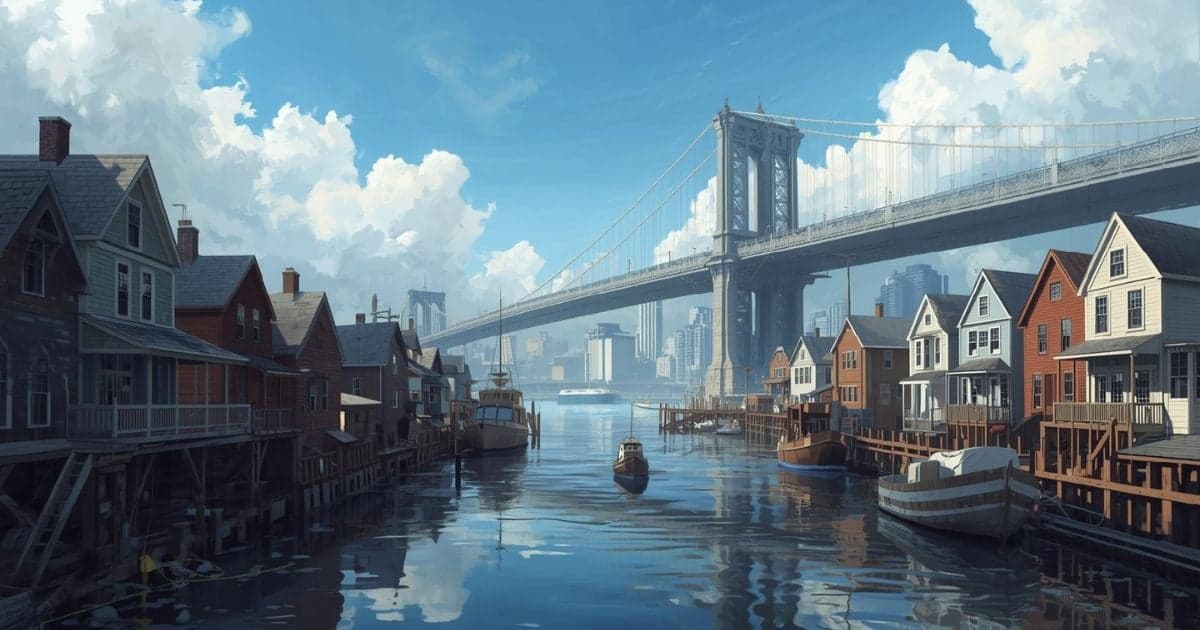
Pip's spirit haunts the Richmond house where Estella lives with Mrs. Brandley, though his body is often elsewhere. He escorts her to balls, operas, picnics, and river parties, close enough to be useful, never close enough to be loved. She employs his devotion to provoke other admirers, turning familiarity into a weapon; every smile she gives elsewhere deepens his private misery. She warns him that she will hurt him, then writes when she wants company; he obeys both kinds of command. Through it all he tells himself Miss Havisham is engineering a match, though no promise has ever been spoken aloud. His jealousy manufactures rivals from every glance she gives, and he calls the ache love because he has not learned another name for it.
Drummle, the sullen gentleman from Mr. Pocket's table, begins to circle Estella with dogged persistence Jaggers once compared to a spider waiting above a web. At Satis House Miss Havisham reads aloud letters from men Estella has fascinated, reveling in the catalog of broken hearts. Pip understands at last that he was never the chosen suitor but bait for a revenge plot aimed at the world. Then mother and daughter break open by the fire. Estella, cold and precise, tells Miss Havisham she is exactly what she was trained to be: proud, hard, incapable of the love now being demanded. Miss Havisham cries out that she gave burning affection inseparable from jealousy, yet receives stone in return. Pip leaves the room shaken, walks the brewery ruins until daybreak, and returns to play cards with Estella as if the confession had not stripped the house bare.
At the Finches club Drummle toasts Estella; Pip challenges him and is forced through club ritual to apologise after Estella confirms only that she danced with the brute. Humiliated, Pip watches Drummle hang about her at a Richmond assembly until he begs her to reject a man the world despises. Estella answers that she deceives every suitor except him, because he alone refuses to be deceived. The honesty is almost tender, which makes it worse. Pip cannot see that her self-destruction and his obsession are two blades of the same instrument Miss Havisham forged years earlier in the stopped clocks and rotting cake.
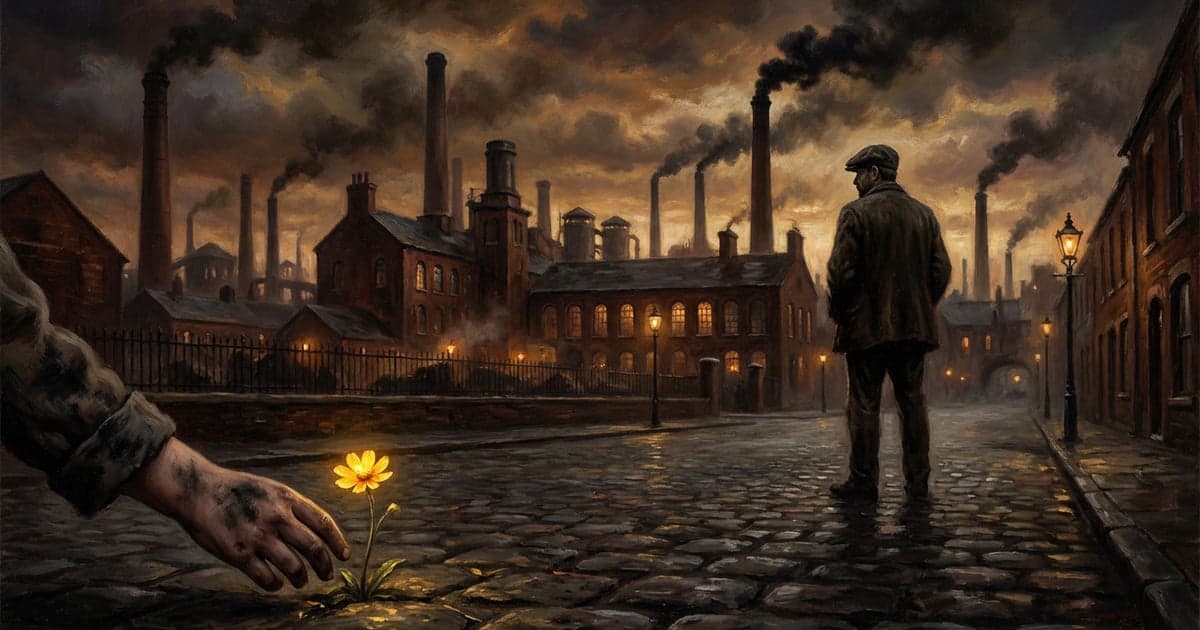
Dickens closes the Estella chapter and opens the trapdoor. Pip compares his fate to an Eastern tale where a ceiling falls the moment a hidden rope is cut; every thread of his romantic plot has been preparing that blow. Alone in Temple chambers on a night of screaming wind and mud, with Herbert away in France and the city lamps blown out, he reads until eleven and hears footsteps on the stair. A weathered stranger climbs into the lamplight: Magwitch, the convict of the marshes, returned illegally from Australia and shining with hard won prosperity, holding out both hands as if Pip were property restored to its owner.
The reunion becomes an accounting no romance can survive. Magwitch burns the returned pound notes at the lamp, drinks rum, and names Jaggers and Wemmick as agents in a single design: he, not Miss Havisham, funded Pip's gentleman life. Every allowance, book, watch, and fine coat came from a transported felon who swore on the marshes that the boy who showed him mercy would rise on his labour in sheep country and the colonies. He calls Pip son and praises the chambers as fit for a lord; Pip recoils as if from a beast. Estella, Havisham, destiny: all a dream. The sharpest pain is that he deserted Joe to become the gentleman a convict purchased, and that return to England means death for the man who made him.
Pip bars shutters and doors while Magwitch eats like the starving man Pip once fed on the Battery. He gives him Herbert's room, lays out gentleman linen, and locks the outer key while listening for pursuers in the rain until dawn. Magwitch sleeps with a pistol under his pillow; Pip lies on the floor, stunned by wreckage, remembering the ditch fight and the file on the leg iron. In every gust he imagines officers at the door. He thinks of Joe and Biddy with a shame so sharp it forbids return, yet knows no wisdom on earth could comfort him like their simplicity would have done.
Miss Havisham's intentions, Estella's design, his own worth: all dissolve in one night. The second stage of his expectations ends here, romance and crime converging on one lesson about borrowed identity, unpaid love, and the cost of wanting to be other than what you are. Pip has spent years performing a gentleman; he will spend the rest of the novel learning what that performance owes to the people he hid in the dark, and to the convict whose money bought every hour of his London pride.