Master this chapter. Complete your experience
Purchase the complete book to access all chapters and support classic literature

As an Amazon Associate, we earn a small commission from qualifying purchases at no additional cost to you.
Available in paperback, hardcover, and e-book formats
Why This Matters
Connect literature to life
This chapter teaches how wrongdoing changes our interpretation of neutral situations, making everything feel threatening.
Practice This Today
This week, notice when you feel unusually defensive or paranoid—ask yourself what you might be carrying that's coloring your perception of others' actions.
Now let's explore the literary elements.
Key Quotes & Analysis
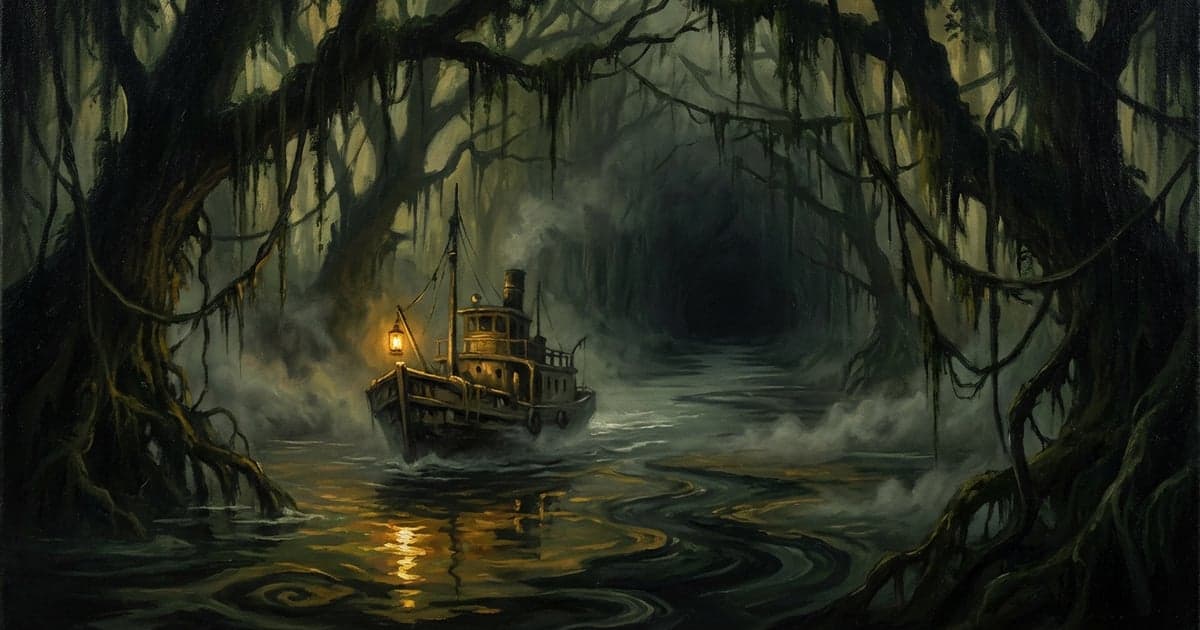
"The gates and dikes and banks came bursting at me through the mist, as if they cried as plainly as could be, 'A boy with somebody else's pork pie! Stop him!'"
Context: Pip is walking through the marshes, terrified his theft will be discovered
This shows how guilt can make you paranoid - even inanimate objects seem to be accusing you. When you've done wrong, the whole world feels like it's watching and judging.
In Today's Words:
Everything around me felt like it was screaming 'THIEF!' at me.
"One black ox, with a white cravat on,—who even had to my awakened conscience something of a clerical air,—fixed me so obstinately with his eyes"
Context: Even the cattle seem to be staring at Pip accusingly
Pip's guilt is so intense that he sees moral judgment everywhere - even a cow reminds him of a disapproving preacher. This is how shame works on the mind.
In Today's Words:
Even the cow looked like a judgmental church pastor giving me the stink eye.
"He was gobbling mincemeat, meatbone, bread, cheese, and pork pie, all at once: staring distractedly at me, and often stopping—even stopping his jaws—to listen"
Context: Describing how desperately the convict devours the food Pip brought
This animalistic eating shows how extreme hunger and desperation can strip away human dignity. The convict can't even enjoy the food - he's too scared of being caught.
In Today's Words:
He was shoving everything in his mouth at once, barely chewing, constantly looking over his shoulder like a scared animal.
Thematic Threads
Guilt
In This Chapter
Pip's theft makes the entire landscape feel threatening and accusatory, showing how wrongdoing distorts perception
Development
Introduced here - this is Pip's first real moral transgression
In Your Life:
You might recognize this when you've bent rules at work and suddenly every meeting feels like you're about to be caught.
Dehumanization
In This Chapter
The convict eats like a starving animal, showing how extreme circumstances strip away human dignity
Development
Builds on Chapter 1's introduction of the convict as frightening figure
In Your Life:
You see this when desperation makes people act in ways that seem shocking, but circumstances explain everything.
Hidden Rivalries
In This Chapter
The convict's rage about the other prisoner reveals bitter conflicts Pip doesn't understand
Development
Introduced here - hints at deeper backstory
In Your Life:
You encounter this when you step into workplace or family situations where old grudges shape behavior in ways that confuse outsiders.
Moral Complexity
In This Chapter
Pip's kindness to the convict puts him in danger and makes him complicit in unknown conflicts
Development
Builds on his earlier decision to help despite fear
In Your Life:
You face this when trying to help someone draws you into their problems in ways you never anticipated.
Survival Mode
In This Chapter
The convict's desperate hunger and paranoid behavior show how basic needs override everything else
Development
Deepens the convict's characterization from mysterious threat to desperate human
In Your Life:
You recognize this when someone's behavior seems unreasonable until you understand they're operating from a place of deep need or fear.
You now have the context. Time to form your own thoughts.
Discussion Questions
- 1
How does Pip's guilty conscience change the way he sees his familiar surroundings during his walk to the marshes?
analysis • surface - 2
Why does the convict become so enraged when Pip mentions seeing another escaped prisoner, and what does this reveal about their relationship?
analysis • medium - 3
Think about a time when you felt guilty about something - how did it change the way you interpreted other people's words or actions?
application • medium - 4
When someone is desperate and hungry like the convict, how should we balance compassion with protecting ourselves from potential danger?
application • deep - 5
What does the convict's animal-like eating and paranoid behavior teach us about how extreme circumstances can change a person's humanity?
reflection • deep
Critical Thinking Exercise
Track Your Guilt Filter
Think of a recent situation where you did something you knew was wrong - maybe you called in sick when you weren't, took credit for someone else's idea, or told a white lie to avoid conflict. Write down how that guilt changed your perception of normal interactions for the next few days. Did innocent comments feel like accusations? Did routine questions seem suspicious?
Consider:
- •Notice the difference between actual consequences and imagined threats
- •Consider how long the guilty feeling lasted and what made it fade
- •Think about whether the guilt was proportional to the actual wrongdoing
Journaling Prompt
Write about a time when you carried guilt that made you misinterpret neutral situations as threatening. How did you eventually restore your normal perspective, and what would you do differently now?
Coming Up Next...
Chapter 4: Christmas Dinner and Close Calls
Pip returns home expecting to face consequences for his theft, but finds the household busy with holiday preparations. Will his crime go unnoticed, or is discovery just around the corner?