Master this chapter. Complete your experience
Purchase the complete book to access all chapters and support classic literature

As an Amazon Associate, we earn a small commission from qualifying purchases at no additional cost to you.
Available in paperback, hardcover, and e-book formats
Why This Matters
Connect literature to life
This chapter teaches how to gather real information about opportunities before committing, rather than filling knowledge gaps with fantasy.
Practice This Today
This week, notice when you're building elaborate expectations about something you've never actually experienced, then find someone who's lived it to give you the unvarnished truth.
Now let's explore the literary elements.
Key Quotes & Analysis
"I know the moves pretty well, and I tell you it's a rum thing to think of now!"
Context: When Pip asks if he knows London well, reflecting on his own arrival years ago
Shows how Wemmick has become hardened by city life but still remembers being new and vulnerable. The casual tone masks deeper experience with urban survival.
In Today's Words:
I've learned how this place works, and it's crazy to think I was once as clueless as you are now.
"They'll do it, if there's anything to be got by it."
Context: Warning Pip about people who will cheat, rob, or murder him
Reveals the cold, transactional nature of urban relationships where personal animosity isn't required for harm - just opportunity and profit.
In Today's Words:
People will screw you over if they can make money from it - nothing personal.
"So imperfect was this realization of the first of my great expectations, that I looked in dismay at Mr. Wemmick."
Context: Upon seeing the shabby reality of Barnard's Inn
Marks Pip's first major disillusionment - the moment when romantic dreams crash into harsh reality. This sets the pattern for future disappointments.
In Today's Words:
This place was such a dump compared to what I'd imagined that I just stared at Wemmick in shock.
Thematic Threads
Social Mobility
In This Chapter
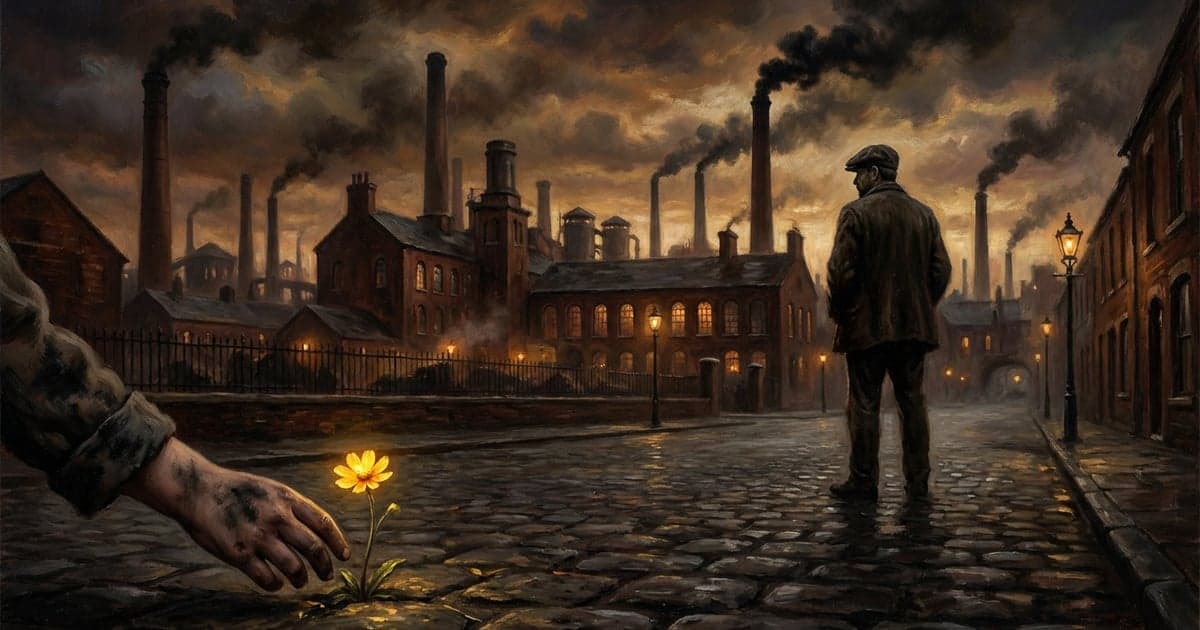
Pip discovers that moving up in the world isn't the smooth ascent he imagined—London is dangerous, shabby, and full of people ready to exploit him
Development
Earlier chapters showed Pip dreaming of gentility; now he faces the harsh mechanics of actually trying to achieve it
In Your Life:
You might recognize this when a promotion or new opportunity comes with unexpected complications and costs you didn't anticipate.
Identity
In This Chapter
Pip's identity as a future gentleman collides with the reality of being a naive country boy vulnerable to city predators
Development
Building on his earlier identity crisis at Satis House, now showing how external validation creates internal confusion
In Your Life:
You might feel this when you're trying to become someone new but your old self keeps showing through in uncomfortable moments.
Class
In This Chapter
The gap between upper-class appearances and working-class realities becomes visible—even 'respectable' London housing is decrepit
Development
Expanding from Satis House's decaying grandeur to show that class markers often hide underlying rot
In Your Life:
You might notice this when expensive or prestigious things in your life turn out to have serious problems underneath the surface.
Deception
In This Chapter
London itself is deceptive—names like 'Barnard's Inn' suggest respectability while hiding squalor and danger
Development
Introduced here as environmental deception, building toward larger deceptions about Pip's benefactor
In Your Life:
You might encounter this when official names, titles, or presentations don't match the actual experience of dealing with an organization or person.
Redemption
In This Chapter
Herbert Pocket's warm response to their awkward past encounter suggests that previous conflicts don't have to define relationships
Development
Introduced here as a counterpoint to the chapter's disappointments, showing positive possibilities
In Your Life:
You might experience this when someone from your past reappears and you both handle old tensions with more maturity than before.
You now have the context. Time to form your own thoughts.
Discussion Questions
- 1
What specific warnings does Wemmick give Pip about London, and how does this contrast with Pip's expectations?
analysis • surface - 2
Why do you think Pip's mind created such elaborate fantasies about Barnard's Inn when he had so little real information about it?
analysis • medium - 3
Where do you see this same pattern today - people building unrealistic expectations based on limited information?
application • medium - 4
What specific steps could someone take to avoid Pip's mistake when facing a major life change?
application • deep - 5
What does Herbert's unexpected reappearance suggest about how our past actions follow us into new chapters of life?
reflection • deep
Critical Thinking Exercise
Reality Check Your Next Big Move
Think of something you're hoping for or planning - a job, relationship, living situation, or major purchase. Write down what you're imagining it will be like, then list what specific information you actually have versus what you're assuming. Finally, identify three concrete questions you could ask or steps you could take to get real information before committing.
Consider:
- •Notice where your imagination fills gaps in actual knowledge
- •Pay attention to whether your expectations sound too perfect to be realistic
- •Consider what you might be overlooking because you want this to work out
Journaling Prompt
Write about a time when something you were excited about turned out very differently than expected. What warning signs did you miss, and how did you adapt when reality hit?
Coming Up Next...
Chapter 22: Meeting Herbert Pocket
The two former adversaries must navigate their awkward reunion and decide whether their past fight will define their future relationship. Herbert's good-natured approach to their shared history might just teach Pip something important about forgiveness and moving forward.