Chapter 09
The Monster Awakens
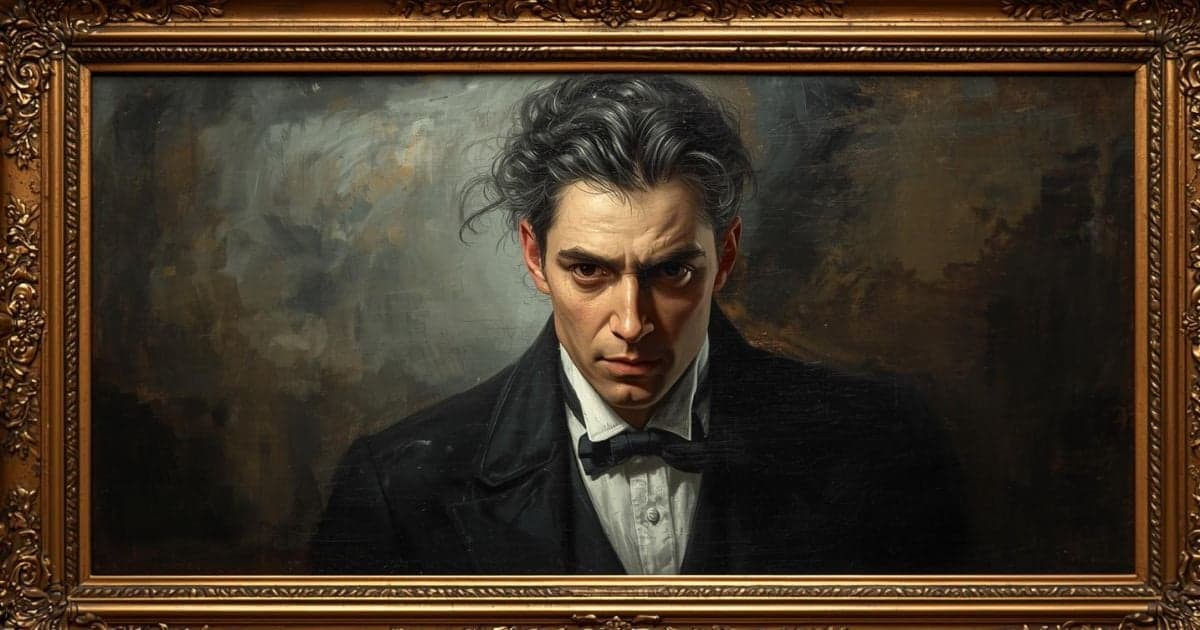
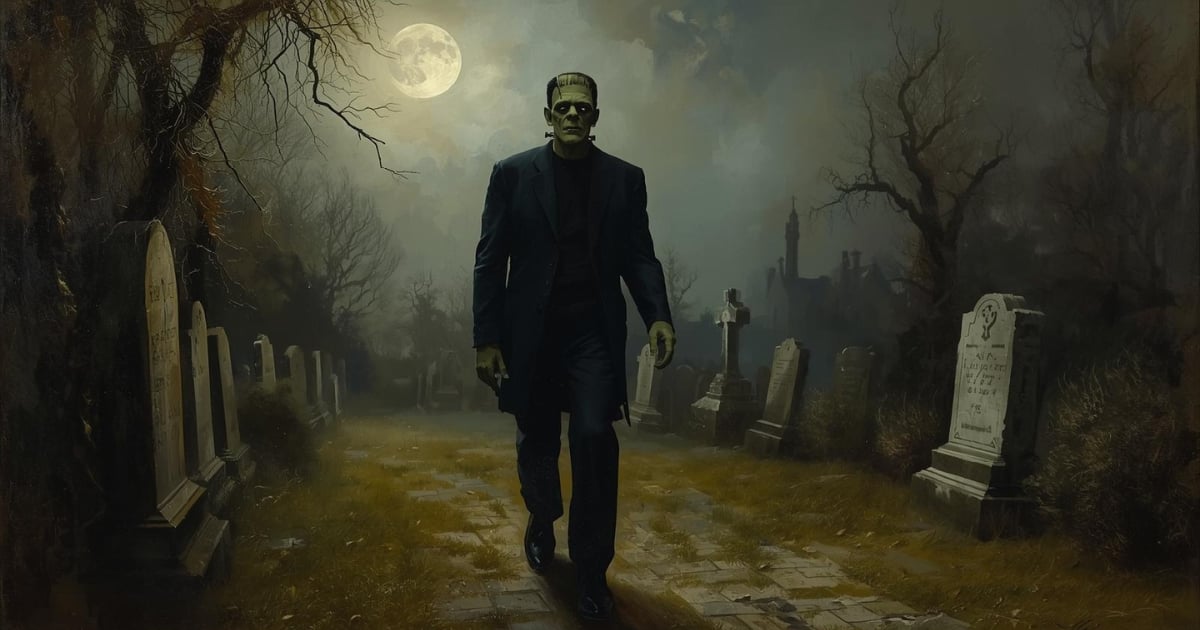
It was on a dreary night of November that I beheld the accomplishment of my toils. With an anxiety that almost amounted to agony, I collected the instruments of life around me, that I might infuse a spark of being into the lifeless thing that lay at my feet. It was already one in the morning; the rain pattered dismally against the panes, and my candle was nearly burnt out, when, by the glimmer of the half-extinguished light, I saw the dull yellow eye of the creature open; it breathed hard, and a convulsive motion agitated its limbs. How can…
Public-domain chapter text, formatted for reading.
Master this chapter. Complete your experience
Purchase the complete book to access all chapters and support classic literature
Available in paperback, hardcover, and e-book formats
Now let's explore the literary elements.
Key Quotes & Analysis
"It was on a dreary night of November that I beheld the accomplishment of my toils."
Context: The famous opening line of the creature's animation
One of literature's most famous opening lines. The word 'dreary' immediately signals this isn't a triumphant moment. Victor frames his success as something ominous, revealing he already knows this is catastrophe, not achievement.
In Today's Words:
It was a miserable November night when I finally finished what I had been working on for nearly two years, alone in the rain, with my candle dying and my whole future about to change in an instant. The atmosphere already tells you this is not a celebration; dread arrives before the creature even moves.
"How can I describe my emotions at this catastrophe, or how delineate the wretch whom with such infinite pains and care I had endeavoured to form?"
Context: Victor's immediate reaction upon seeing his creation come to life
He calls his life's work a 'catastrophe' and his creation a 'wretch' within seconds of success. This reveals how completely unprepared Victor was for the reality of what he was doing. All those months of work, and he never once considered what would happen when it actually worked.
In Today's Words:
How can I even explain how horrified I was, or describe the disgusting thing I had spent so much time and effort creating when triumph turned to revulsion the moment its eye opened? Victor names it catastrophe within seconds, which proves he never imagined success as responsibility, only as personal glory that would validate his obsession.
"Unable to endure the aspect of the being I had created, I rushed out of the room."
Context: Victor's abandonment of the creature moments after it awakens
This is the original sin of the novel—the moment Victor abandons his newborn creation. 'Unable to endure' shows he's acting on revulsion rather than reason. A responsible creator would stay and deal with the consequences. Victor runs.
In Today's Words:
I could not stand to look at what I had made, so I ran out of the room instead of staying with the being whose first conscious act was to reach toward me. Abandonment becomes the creature's first lesson about the world, and Victor's disgust matters less than his refusal to stay present for what he created.
"I beheld the wretch—the miserable monster whom I had created. He held up the curtain of the bed; and his eyes, if eyes they may be called, were fixed on me... one hand was stretched out, seemingly to detain me, but I escaped."
Context: The creature reaching out to Victor, who flees in terror
This scene is heartbreaking when read carefully. The creature is reaching out—possibly for help, connection, or understanding. Victor interprets it as threat and runs. The creature's first experience of consciousness is rejection and abandonment by the only being who should have cared for it.
In Today's Words:
I saw the horrible monster I had made standing by my bed with one hand stretched out toward me, and I ran away rather than answering the plea of the only creature I was responsible for. That reaching hand is the moral center of the chapter: need met with horror, and the fallout will follow both of them forever.
Thematic Threads
Abandonment
In This Chapter
Victor creates life then immediately flees, leaving a conscious being alone and confused
Development
The central act that creates all future tragedy
In Your Life:
You might recognize this when you start something important then bail when it gets difficult
Fantasy vs Reality
In This Chapter
Victor imagined beautiful creation worshipping him; reality is ugly being reaching out for help
Development
The moment where Victor's delusions crash into consequences
In Your Life:
You might pursue something for the fantasy version while being unprepared for the actual reality
Revulsion as Rejection
In This Chapter
Victor's physical disgust at the creature's appearance justifies (in his mind) complete abandonment
Development
Shows how we use aesthetic judgments to avoid moral responsibilities
In Your Life:
You might reject people or situations based on surface judgments while avoiding deeper obligations
Friendship as Salvation
In This Chapter
Clerval's arrival saves Victor from complete breakdown, showing the power of genuine human connection
Development
Contrasts isolation's destruction with connection's healing power
In Your Life:
You might be saved from your worst self by someone who shows up with simple presence and care
Physical Manifestation of Guilt
In This Chapter
Victor's fever, nightmares, and manic behavior reveal his subconscious knows what he's done is wrong
Development
Body and mind rebel against Victor's conscious rationalizations
In Your Life:
Your body often shows the cost of your choices before your mind admits the guilt
You now have the context. Time to form your own thoughts.
Discussion Questions
This is not a test. Five prompts guide you through the chapter, from how it opens to how it closes, so you notice context and rhythm rather than facts to memorize. Sit with each question in your own words. When you see "One way to read it," treat it as a starting point, not the only answer.
- 1
What is Victor's immediate reaction when the creature's eye opens?
analysis • surfaceOne way to read it
Triumph becomes horror. He calls the achievement a catastrophe and flees, unable to endure what he made.
- 2
What does Victor's dream of Elizabeth turning into his mother's corpse suggest?
analysis • mediumOne way to read it
Creation and death are fused in his psyche. The kiss of love becomes grave-worms—the life he sought corrupts everything tender.
- 3
Why does Victor abandon the creature instead of taking responsibility?
application • mediumOne way to read it
Disgust overrides duty. He runs from the laboratory and hides in the courtyard, treating his creation as a nightmare to escape.
- 4
How does this night mark the moment creator becomes abandoner?
application • deepOne way to read it
The creature reaches out; Victor screams and leaves. Every tragedy that follows grows from this refusal of obligation.
- 5
When have you seen someone reject the consequences of something they worked hard to achieve?
reflection • deepOne way to read it
Victor wanted glory without guardianship—the novel's central moral fracture happens in this November laboratory.
Critical Thinking Exercise
Reality-Check Your Goals
Think of something you're currently working toward or really want to achieve. Write down not just the moment of success, but what the day-to-day reality would actually look like six months after you get it. Include the boring parts, the problems you'd need to solve, and the responsibilities that would come with it.
Consider:
- •What would you need to give up or sacrifice to maintain this achievement?
- •What skills or emotional capacity would you need to develop that you don't currently have?
- •Who else would be affected by your success, and what would they need from you?
Journaling Prompt
Write about a time when you got something you thought you wanted but weren't prepared for the reality of having it. What did that teach you about the difference between fantasy and readiness?
Coming Up Next...
Chapter 10: Elizabeth's Letter and the Poison of Science
Victor tries to return to normal life, but you can't outrun what you've created. A letter from home brings news that will force him to confront the wider world beyond his obsessions Victor slowly recovers from his months-long fever, nursed devotedly by Henry Clerval. When he's finally well enough, Clerval gives him a letter from Elizabeth that's been waiting..