Wide Reads
Literature MattersLife IndexEducators
Sign in
Where to Begin

The Dismissal That Changed Everything — Frankenstein

Frankenstein - The Dismissal That Changed Everything

Mary Shelley

Frankenstein

The Dismissal That Changed Everything

Home›Books›Frankenstein›Chapter 6: The Dismissal That Changed Everything
Previous
6 of 28
Next

Analysis by the Wide Reads editorial team·Reviewed against the source text·Updated December 1, 2025

Summary

The Dismissal That Changed Everything

Frankenstein by Mary Shelley

0:000:00
Listen to Next Chapter

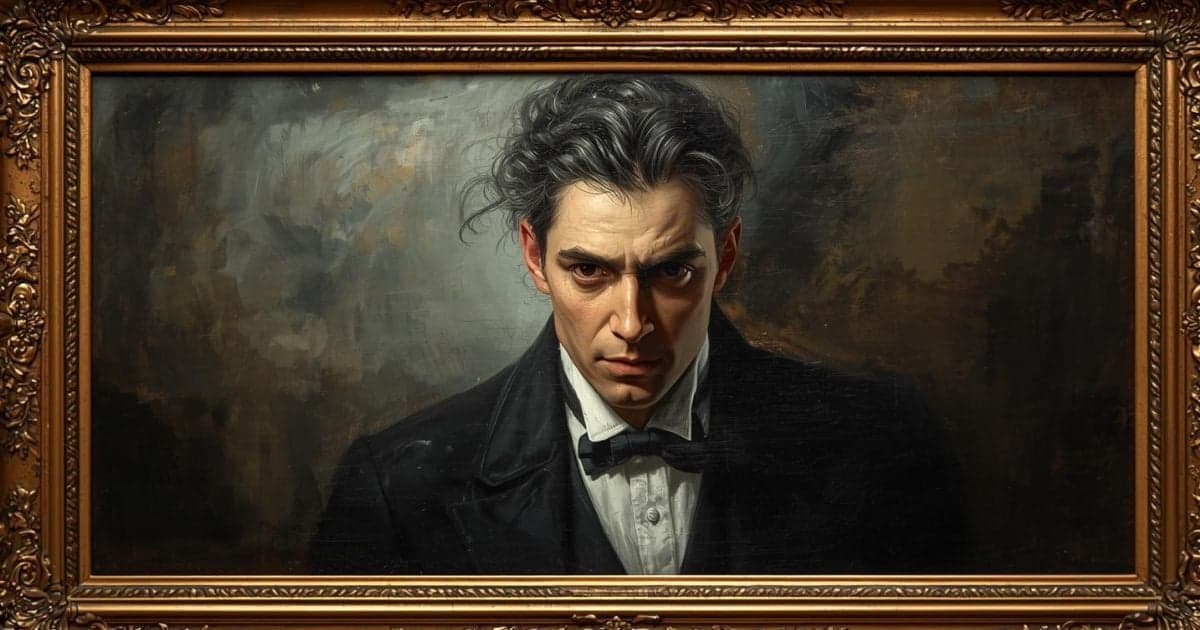
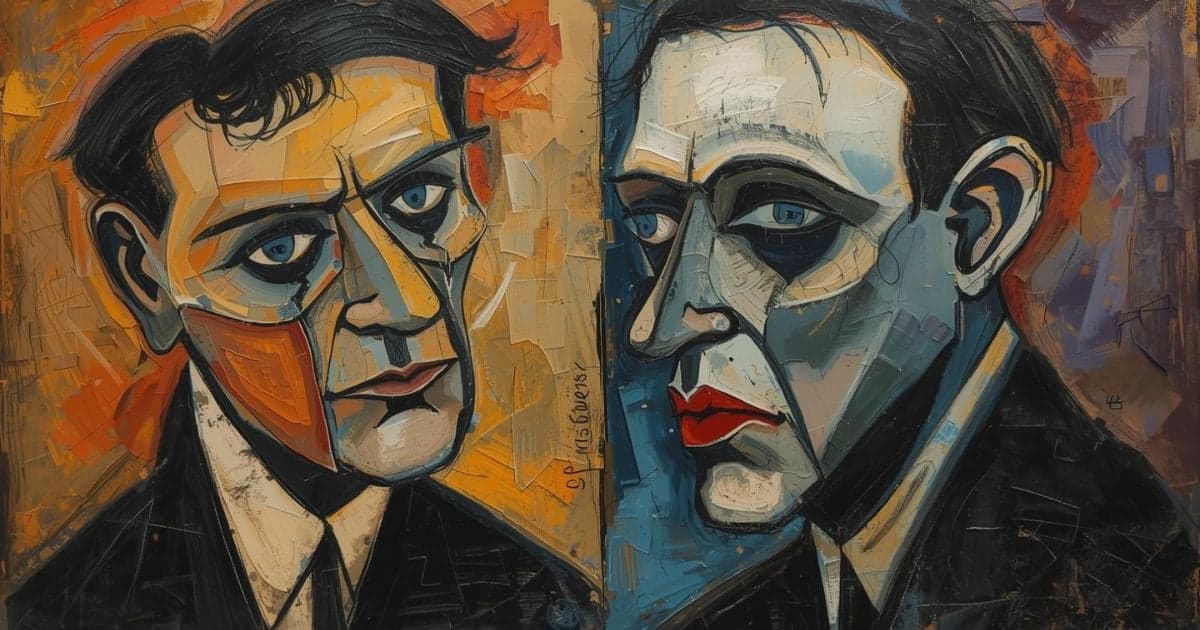
Victor describes his idyllic childhood with Elizabeth and Henry Clerval, but beneath the harmony lie the seeds of disaster. Elizabeth is calm and contemplative, finding beauty in nature's appearance. Henry dreams of heroic adventure and chivalry. But Victor obsesses over nature's hidden causes, he wants to crack the universe's deepest secrets. His parents' loving indulgence creates a dangerously sheltered life where Victor faces no real limits. At thirteen, Victor discovers the works of Cornelius Agrippa, a medieval alchemist promising secrets of eternal life and raising the dead. He becomes immediately obsessed.

When he shows his father, Alphonse dismisses it with a casual 'Ah! Cornelius Agrippa! My dear Victor, do not waste your time upon this; it is sad trash.' This dismissal, instead of proper explanation, drives Victor's curiosity underground. He secretly devours all the ancient alchemists: Agrippa, Paracelsus, Albertus Magnus. He believes they offer 'treasures known to few besides myself,' showing dangerous isolation and arrogance. Victor pursues the philosopher's stone and elixir of life, convinced he can banish death itself. Then at fifteen, a thunderstorm destroys an oak tree before his eyes.

A natural philosopher explains electricity and galvanism, making Victor's beloved alchemists suddenly seem foolish. Victor abandons alchemy entirely, turning to mathematics with the same extreme temperament. This chapter reveals Victor's fatal pattern: all-or-nothing obsession, no middle ground. He either worships ideas completely or rejects them with total disdain. His father's lazy dismissal, combined with privilege and isolation, allows this dangerous temperament to flourish unchecked. Victor himself notes the tragic irony: abandoning alchemy seemed like 'the guardian angel' saving him from ruin, but it was only temporary. 'Destiny was too potent,' he says, foreshadowing that his obsessions will return in deadlier form.

In this chapter: Terms Characters Key Quotes Themes Modern Story

Why This Matters

Connect literature to life

Skill: Recognizing Emotional Blind Spots

Dismissal without explanation often drives curiosity underground where it becomes obsession. Young Victor's father calls Agrippa sad trash instead of guiding him toward modern science. This week, when someone shares an intense interest, explain why it fails and point them toward a safer path.

Coming Up in Chapter 7

Victor's protected world begins to crack as tragedy strikes his family, setting him on the path toward his fateful experiments. His response to loss will reveal the true nature of his character.

Share it with friends

PreviousPrevious ChapterNextNext Chapter
Original text
2,204 wordscomplete

Chapter 06

The Dismissal That Changed Everything

We were brought up together; there was not quite a year difference in our ages. I need not say that we were strangers to any species of disunion or dispute. Harmony was the soul of our companionship, and the diversity and contrast that subsisted in our characters drew us nearer together. Elizabeth was of a calmer and more concentrated disposition; but, with all my ardour, I was capable of a more intense application and was more deeply smitten with the thirst for knowledge. She busied herself with following the aerial creations of the poets; and in the majestic and wondrous…

Public-domain chapter text, formatted for reading.

Master this chapter. Complete your experience

Purchase the complete book to access all chapters and support classic literature

Buy at Powell'sBuy on Amazon

Available in paperback, hardcover, and e-book formats

Now let's explore the literary elements.

Key Quotes & Analysis

"Ah! Cornelius Agrippa! My dear Victor, do not waste your time upon this; it is sad trash."

— Alphonse Frankenstein

Context: Victor's father dismissively responding when young Victor shows him the alchemist's book he discovered

This single sentence changes everything. Instead of explaining why Agrippa's theories were disproven, Alphonse just dismisses it as 'sad trash.' This lazy parenting drives Victor's interest underground where it becomes obsession. If he'd taken five minutes to explain, Victor might have pursued legitimate science. Instead, dismissal creates defiance.

In Today's Words:

That is garbage, so do not waste your time on it. A dismissive line like that does not kill curiosity; it tells a hungry mind that adults do not understand and that the forbidden book must hide something real. Victor reads Agrippa in secret because shame and defiance replace guidance, and the obsession that follows is partly his father's fault for ridiculing instead of teaching.

"If, instead of this remark, my father had taken the pains to explain to me that the principles of Agrippa had been entirely exploded... I should certainly have thrown Agrippa aside."

— Victor Frankenstein

Context: Victor reflecting on how his father's dismissal shaped his path

Victor explicitly identifies the moment his fate was sealed. He admits he would have abandoned alchemy if his father had engaged with his curiosity instead of dismissing it. This is Victor partially blaming his father while revealing his own tendency to blame external factors for his choices.

In Today's Words:

If Dad had actually explained why this was wrong instead of just shutting me down with contempt, I would have listened and moved on toward legitimate study instead of reading alchemists in secret. Respectful redirection might have saved years of dangerous fascination, but contempt made the forbidden path feel like proof that I was smarter than everyone trying to stop me.

"It was the secrets of heaven and earth that I desired to learn; and whether it was the outward substance of things or the inner spirit of nature and the mysterious soul of man that occupied me, still my inquiries were directed to the metaphysical, or in its highest sense, the physical secrets of the world."

— Victor Frankenstein

Context: Victor describing the scope of his childhood ambitions

This reveals Victor's grandiose thinking from an early age. He doesn't want to understand some things—he wants the ultimate secrets of existence itself. The messianic language shows dangerous arrogance disguised as intellectual curiosity.

In Today's Words:

I wanted to figure out everything, from how life works to what makes people tick, and I believed I was capable of learning the deepest secrets the universe could offer if I worked hard enough and long enough. That youthful certainty sounds noble until it ignores how much harm untrained ambition can do when nobody mentors the hunger behind it.

"Elizabeth was of a calmer and more concentrated disposition; but, with all my ardour, I was capable of a more intense application and was more deeply smitten with the thirst for knowledge."

— Victor Frankenstein

Context: Victor comparing himself to Elizabeth

Victor frames his obsessive nature as superiority—he's more 'intense' and 'ardent' than calm Elizabeth. This reveals how he romanticizes his own dangerous tendencies, seeing extremism as passion rather than dysfunction.

In Today's Words:

Elizabeth was steady and balanced, but I threw myself harder into study and wanted answers more desperately than she did, treating that intensity as proof I was destined for something greater than ordinary life. Her calm looked like limitation to me, and I mistook my inability to rest for a sign that I was chosen for breakthrough rather than balance.

Thematic Threads

Parental Failure

In This Chapter

Alphonse's casual dismissal of Victor's interests instead of proper guidance plants the seeds of disaster

Development

The critical moment where loving but lazy parenting creates tragedy

In Your Life:

You might do this when you shut down someone's idea without explanation, creating defiance instead of understanding

All-or-Nothing Thinking

In This Chapter

Victor either worships alchemists completely or rejects them with total disdain—no middle ground

Development

Introduced as Victor's fundamental character flaw

In Your Life:

You might swing between total commitment and complete rejection without ever finding balance

Underground Obsession

In This Chapter

After dismissal, Victor pursues alchemy in secret, believing he's found 'treasures known to few besides myself'

Development

Shows how dismissal creates isolation and grandiosity

In Your Life:

You might hide interests from people who 'wouldn't understand,' making yourself vulnerable to extremism

Turning Points

In This Chapter

The thunderstorm that destroys the oak tree temporarily shifts Victor away from alchemy toward mathematics

Development

First major turning point that seems like salvation but is only temporary

In Your Life:

You might mistake temporary course corrections for permanent change

Foreshadowing

In This Chapter

Victor notes that abandoning alchemy felt like divine intervention, but 'Destiny was too potent'—doom is inevitable

Development

Literary device showing Victor's fate is sealed despite apparent redemption

In Your Life:

Sometimes early success at avoiding a problem just delays the inevitable reckoning

You now have the context. Time to form your own thoughts.

Discussion Questions

This is not a test. Five prompts guide you through the chapter, from how it opens to how it closes, so you notice context and rhythm rather than facts to memorize. Sit with each question in your own words. When you see "One way to read it," treat it as a starting point, not the only answer.

  1. 1

    What does Victor mean when he says Elizabeth contemplates the appearance of nature while he seeks hidden causes?

    ▶One way to read it

    Elizabeth finds beauty on the surface. Victor wants to penetrate to origins—a temperament already pointed at forbidden knowledge.

    analysis • surface
  2. 2

    How does Victor's discovery of Cornelius Agrippa at thirteen change him?

    ▶One way to read it

    He becomes secretly obsessed with alchemists promising eternal life and raising the dead, reading them day and night against his father's wishes.

    analysis • medium
  3. 3

    Why does his father's dismissal of Agrippa backfire?

    ▶One way to read it

    Without explanation, the forbidden books gain power. Shame and secrecy replace open guidance.

    application • medium
  4. 4

    How do Victor, Elizabeth, and Clerval each represent a different way of engaging with the world?

    ▶One way to read it

    Elizabeth: contemplative harmony. Clerval: imaginative adventure in human culture. Victor: destructive curiosity about ultimate secrets.

    application • deep
  5. 5

    When have you seen someone treated as special in ways that made accountability disappear?

    ▶One way to read it

    Victor's sheltered childhood trains him to believe his hungers are legitimate and need not answer to others.

    reflection • deep

Critical Thinking Exercise

10 minutes

Rewrite Elizabeth's Story

Victor describes Elizabeth as his perfect companion, but we never hear her voice or perspective. Write a paragraph from Elizabeth's point of view about being 'given' to Victor as a child. What might she really think about being treated like a living gift rather than a person with her own dreams and desires?

Consider:

  • •How might it feel to be constantly described as someone else's property or destiny?
  • •What dreams or ambitions might Elizabeth have that Victor never mentions?
  • •How does being the 'perfect' girl limit someone's ability to be fully human?

Journaling Prompt

Write about a time when someone treated you like you existed mainly to serve their needs rather than as a complete person with your own inner life. How did it feel, and how did you handle it?

Coming Up Next...

Chapter 7: Death, Departure, and Destiny

Victor's protected world begins to crack as tragedy strikes his family, setting him on the path toward his fateful experiments. His response to loss will reveal the true nature of his character.

Continue to Chapter 7
Previous
Victor's Childhood and Early Obsessions
Contents
Next
Death, Departure, and Destiny
Keep exploring

Continue Exploring

Study guides, teaching tools, themes, and the full library.More ways to read Frankenstein: study guides, teaching tools, and the wider library.

  • Frankenstein Study Guide
  • Teaching Resources
  • Essential Life Index
  • Browse by Theme
  • All Books

Life-skill deep dives in Frankenstein

  • Breaking Cycles of RevengeSee how Victor and the creature mirror each other in a revenge cycle that destroys both, and what Shelley shows about stopping mutual destruction.
  • Cost of IsolationExplore cost of isolation through Frankenstein by Mary Shelley. Life lessons from classic literature applied to modern challenges.
  • Dangerous AmbitionLearn to identify when healthy ambition transforms into destructive obsession through Victor Frankenstein\
  • Taking ResponsibilityExplore how Frankenstein teaches the critical lesson of taking responsibility for what you create—from products to relationships.
  • Understanding RejectionLearn how systematic rejection transforms innocent beings into dangerous threats through the creature\
Identity & Self-DiscoveryMoral Dilemmas & EthicsPower & Corruption

You Might Also Like

The Picture of Dorian Gray cover

The Picture of Dorian Gray

Oscar Wilde

Explores identity & self

The Strange Case of Dr Jekyll and Mr Hyde cover

The Strange Case of Dr Jekyll and Mr Hyde

Robert Louis Stevenson

Explores identity & self

Jude the Obscure cover

Jude the Obscure

Thomas Hardy

Explores identity & self

The Scarlet Letter cover

The Scarlet Letter

Nathaniel Hawthorne

Explores identity & self

Browse all 106+ books

Share This Chapter

Know someone who'd enjoy this? Spread the wisdom!

TwitterFacebookLinkedInEmail

Go further with Prestige

Unlock study guides and downloads, early access, and exclusive content — and support free access for everyone.

Subscribe to PrestigeCreate free account
Intelligence Amplifier
Intelligence Amplifier™Powering Wide Reads

Exploring human-AI collaboration through books, essays, and philosophical dialogues. Classic literature transformed into navigational maps for modern life.

2025 Books

→ The Amplified Human Spirit→ The Alarming Rise of Stupidity Amplified→ San Francisco: The AI Capital of the World
Visit intelligenceamplifier.org
hello@widereads.com

WideReads Originals

→ You Are Not Lost→ The Last Chapter First→ The Lit of Love→ Wealth and Poverty→ Wisdom for the Wounded
Arvintech
arvintechAmplify your Mind
Visit at arvintech.com

Navigate

  • Home
  • Library
  • Essential Life Index
  • How It Works
  • Subscribe
  • Account
  • About
  • Contact
  • Authors
  • Suggest a Book
  • Landings

Made For You

  • Trending
  • Students
  • Educators
  • Families
  • Readers
  • Literary Analysis
  • Finding Purpose
  • Letting Go
  • Recovering from a Breakup
  • Corruption
  • Gaslighting in the Classics

Newsletter

Weekly insights from the classics. Amplify Your Mind.

Legal

  • Privacy Policy
  • Terms of Service
  • Editorial Standards
  • Cookie Policy
  • Accessibility

Why Public Domain?

We focus on public domain classics because these timeless works belong to everyone. No paywalls, no restrictions—just wisdom that has stood the test of centuries, freely accessible to all readers.

Public domain books have shaped humanity's understanding of love, justice, ambition, and the human condition. By amplifying these works, we help preserve and share literature that truly belongs to the world.

A Pilgrimage

Powell's City of Books

Portland, Oregon

If you ever find yourself in Portland, walk to the corner of Burnside and 10th. The building takes up an entire city block. Inside is over a million books, new and used on the same shelf, organized by color-coded rooms with names like the Rose Room and the Pearl Room. You can lose an afternoon. You can lose a weekend. You will find a book you have been looking for your whole life, and three you did not know existed.

It is a pilgrimage. We cannot find a bookstore like it anywhere on earth. If you read the classics, and you ever get the chance, go. It belongs on every reader's bucket list.

Visit powells.com

We are not in any way affiliated with Powell's. We are just a very big fan.

© 2026 Wide Reads™. All Rights Reserved.

Intelligence Amplifier™ and Wide Reads™ are proprietary trademarks of Arvin Lioanag.

Copyright Protection: All original content, analyses, discussion questions, pedagogical frameworks, and methodology are protected by U.S. and international copyright law. Unauthorized reproduction, distribution, web scraping, or use for AI training is strictly prohibited. See our Copyright Notice for details.

Disclaimer: The information provided on this website is for general informational and educational purposes only and does not constitute professional, legal, financial, or technical advice. While we strive to ensure accuracy and relevance, we make no warranties regarding completeness, reliability, or suitability. Any reliance on such information is at your own risk. We are not liable for any losses or damages arising from use of this site. By using this site, you agree to these terms.