Chapter 04
The Stranger on the Ice
Letter 4 To Mrs. Saville, England. August 5th, 17—. So strange an accident has happened to us that I cannot forbear recording it, although it is very probable that you will see me before these papers can come into your possession. Last Monday (July 31st) we were nearly surrounded by ice, which closed in the ship on all sides, scarcely leaving her the sea-room in which she floated. Our situation was somewhat dangerous, especially as we were compassed round by a very thick fog. We accordingly lay to, hoping that some change would take place in the atmosphere and weather.…
Public-domain chapter text, formatted for reading.
Master this chapter. Complete your experience
Purchase the complete book to access all chapters and support classic literature
Available in paperback, hardcover, and e-book formats
Now let's explore the literary elements.
Key Quotes & Analysis
"Unhappy man! Do you share my madness? Have you drunk also of the intoxicating draught? Hear me; let me reveal my tale, and you will dash the cup from your lips!"
Context: The stranger reacts with horror when Walton shares his ambitious dreams of discovery
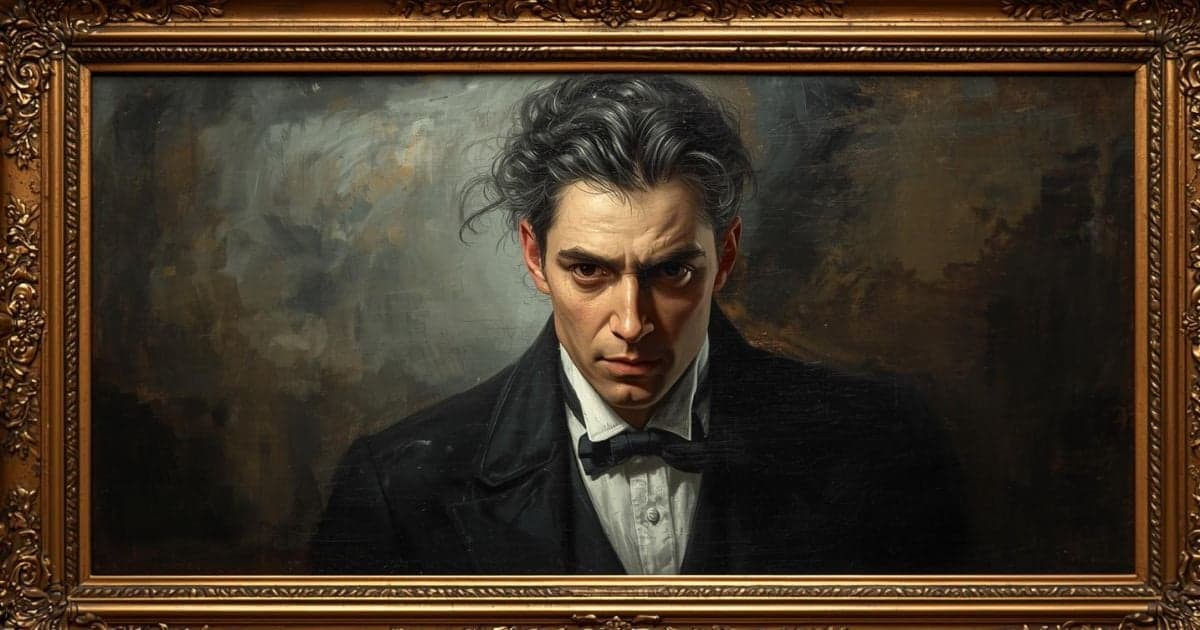
Victor sees his past self in Walton, someone intoxicated by ambition, unable to see the danger until it's too late. He's trying to save Walton from the same destruction.
In Today's Words:
You are making the same terrible mistake I did. Are you as obsessed as I was? Listen to my story before you keep going, because once you hear it you may finally put down the ambition that is already destroying you the way it destroyed me.
"I said in one of my letters, my dear Margaret, that I should find no friend on the wide ocean; yet I have found a man who, before his spirit had been broken by misery, I should have been happy to have possessed as the brother of my heart."
Context: Walton reflects on finding the companion he's been desperately seeking
Walton gets exactly what he wished for, but his perfect friend is destroyed by the very ambition Walton is pursuing. Instead of seeing a warning, Walton is thrilled to have found understanding companionship.
In Today's Words:
Remember when I told you I'd never find a real friend out here? I finally found the perfect one, someone who matches my mind, except he's already broken by the very pursuit I'm still chasing with everything I have and every risk I take. with everything I have and every risk I am willing to take.
"Before I come on board your vessel, will you have the goodness to inform me whither you are bound?"
Context: The nearly frozen stranger's first words before agreeing to be rescued
Even dying on an ice floe, the stranger cares about direction and purpose. He'll only accept rescue if it aligns with his pursuit, revealing obsession so complete that survival becomes secondary to the chase.
In Today's Words:
Before you save my life, tell me where your ship is headed, because I need to know whether this rescue moves me closer to the thing I am still hunting across the ice rather than away from the only purpose left to me. rather than away from the only purpose that still gives me breath.
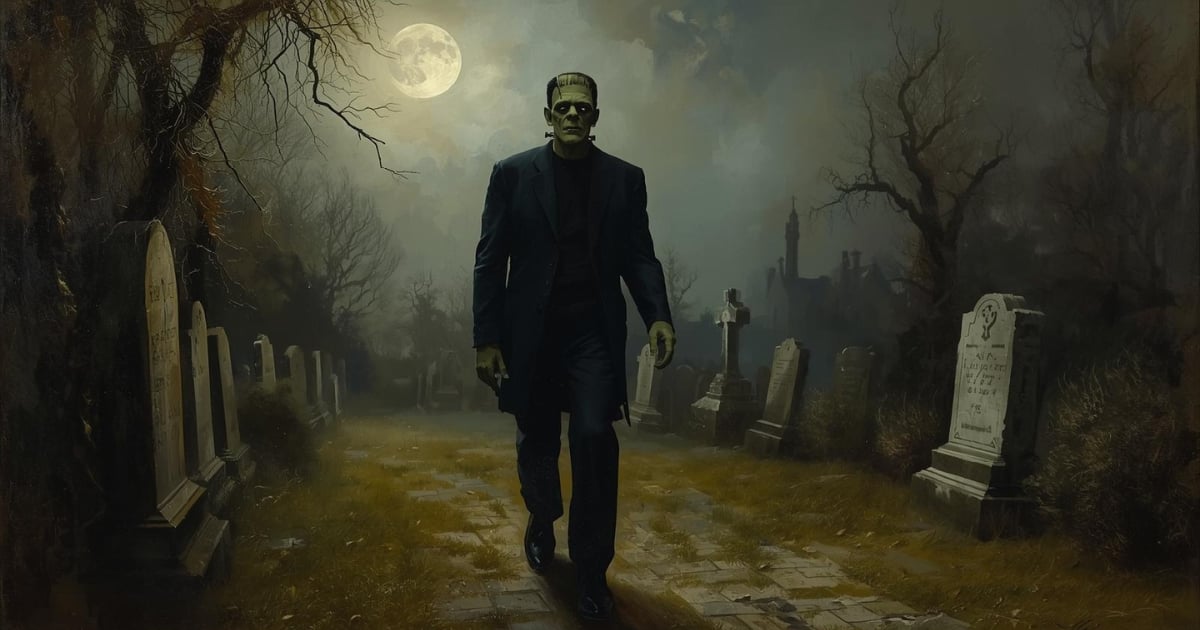
"We perceived a low carriage, fixed on a sledge and drawn by dogs, pass on towards the north, at the distance of half a mile; a being which had the shape of a man, but apparently of gigantic stature, sat in the sledge and guided the dogs."
Context: The crew sights an impossible figure crossing the ice before Victor's rescue
This sighting plants the novel's horror in the frame story before Victor speaks. Something inhuman is moving through the same landscape Walton thought he commanded.
In Today's Words:
We saw a sled pulled by dogs far out on the ice, and the figure driving it looked like a man but impossibly huge. Whatever it was had crossed this wasteland before we found Victor nearly frozen nearby, and the sight still haunts the crew.
Thematic Threads
Loneliness and Judgment
In This Chapter
Walton's desperate loneliness makes him unable to properly judge the warning standing before him
Development
Payoff of earlier loneliness—desperation clouds perception
In Your Life:
You might ignore obvious red flags when you're starving for connection or validation
Cautionary Tales Ignored
In This Chapter
The stranger explicitly offers his story as a warning, but Walton is too enchanted to truly hear it
Development
Introduces the novel's central structure—nested warnings
In Your Life:
You might miss lessons from others' disasters when you think 'That won't happen to me'
Pursuit and Obsession
In This Chapter
Both Walton and the stranger are chasing something to the point of self-destruction
Development
Parallel pursuits that mirror each other
In Your Life:
You might recognize yourself in someone else's tragedy but still believe your outcome will be different
Frame Narrative
In This Chapter
The story shifts from Walton's letters to Victor's tale, creating layers of perspective
Development
Structural shift that will define the novel
In Your Life:
You might need to hear someone's story through another person's lens to understand it
You now have the context. Time to form your own thoughts.
Discussion Questions
This is not a test. Five prompts guide you through the chapter, from how it opens to how it closes, so you notice context and rhythm rather than facts to memorize. Sit with each question in your own words. When you see "One way to read it," treat it as a starting point, not the only answer.
- 1
What do Walton's crew see crossing the ice before they rescue the stranger?
analysis • surfaceOne way to read it
A gigantic figure on a dogsledge—a sight that hints the Arctic holds more than navigation charts predicted.
- 2
Why does the nearly frozen stranger ask where the ship is headed before boarding?
analysis • mediumOne way to read it
Even at death's edge he cares about direction and purpose. Victor Frankenstein is still driven by pursuit, not rest.
- 3
How does Walton react when he finds the intellectual companion he has been craving?
application • mediumOne way to read it
He falls in love with the stranger as a friend—educated, eloquent, wounded. The loneliness of command finally eases.
- 4
What is Victor's response when Walton shares his ambitious dreams?
application • deepOne way to read it
Horror and grief. He recognizes Walton's madness because he drank the same intoxicating draught and offers his story as warning.
- 5
When have you met someone whose tragedy made you reconsider a goal you were pursuing?
reflection • deepOne way to read it
Victor arrives as living proof that ambition pursued without limits can destroy everything it was meant to glorify.
Critical Thinking Exercise
Design Your Exit Strategy
Think of a current situation in your life where you've invested significant time, money, or energy. Write down three specific warning signs that would tell you it's time to change course, no matter how much you've already invested. Then identify one person whose judgment you trust who could help you recognize these signs if you're too emotionally involved to see them clearly.
Consider:
- •Focus on future costs and outcomes, not what you've already spent
- •Choose warning signs that are observable and specific, not vague feelings
- •Pick someone who cares about your wellbeing more than your ego
Journaling Prompt
Write about a time when you stayed in a situation too long because you'd already invested so much. What would you do differently now, and what early warning system would have helped you?
Coming Up Next...
Chapter 5: Victor's Childhood and Early Obsessions
Victor will begin telling Walton the story of his childhood in Geneva, his dangerous education, and the obsession that led him to create life itself Victor Frankenstein introduces himself and his family background, painting a picture of privilege and love that seems almost too perfect. Born in Geneva to wealthy, caring parents, Victor describes an idyllic childhood where he was the center of attention.