Wide Reads
Literature MattersLife IndexEducators
Sign in
Where to Begin
Far from the Madding Crowd - A Promise Under Pressure

Thomas Hardy

Far from the Madding Crowd

A Promise Under Pressure

Home›Books›Far from the Madding Crowd›Chapter 51
Previous
51 of 57
Next

Summary

Unable to find Oak, Bathsheba drives home from Greenhill Fair alone—or almost alone, for Boldwood, who 'accidentally' encountered her, rides alongside on horseback. Under the moonlight, across the common and along the high road, they talk of the fair, farming, and Oak's usefulness, until Boldwood puts the question directly: 'Mrs. Troy, you will marry again some day?' Bathsheba deflects—Troy's death is not absolutely proved—but Boldwood presses each objection away with quiet persistence. He recalls carrying her fainting into the King's Arms: 'Every dog has his day: that was mine.' She admits she did wrong to him; he asks her to make amends through a promise. Bathsheba insists she does not love him and may never do so to the degree a wife should, but Boldwood frames the compact as a businesslike arrangement—a promise to marry at the end of six years, with no immediate passion required. She resists, hedges, and finally agrees, not to the six-year promise outright, but to 'consider' it by Christmas: 'And if you value such an act of friendship from a woman who doesn't esteem herself as she did, and has little love left, why I—I will—Consider, if I cannot promise soon.' Hardy observes that her promise arose partly from physical intimidation—'a force stronger than her own will'—and partly from genuine remorse for her past treatment of him. Her pity for his unaltered devotion had given him false signals of tenderness; now those signals return to press her forward into a commitment she cannot clearly consent to. When she later mentions the encounter obliquely to Gabriel, his response is muted and sad—he knows the situation is perilous. The weeks toward Christmas narrow, and Bathsheba grows increasingly anxious.

Coming Up in Chapter 52

As Christmas approaches and Bathsheba's promise deadline looms, the paths of all the main characters begin to converge. The weight of her decision grows heavier, and forces beyond her control start to shape everyone's fate.

Share it with friends

Previous ChapterNext Chapter
GO ADS FREE — JOIN US
Original text
complete·2,881 words

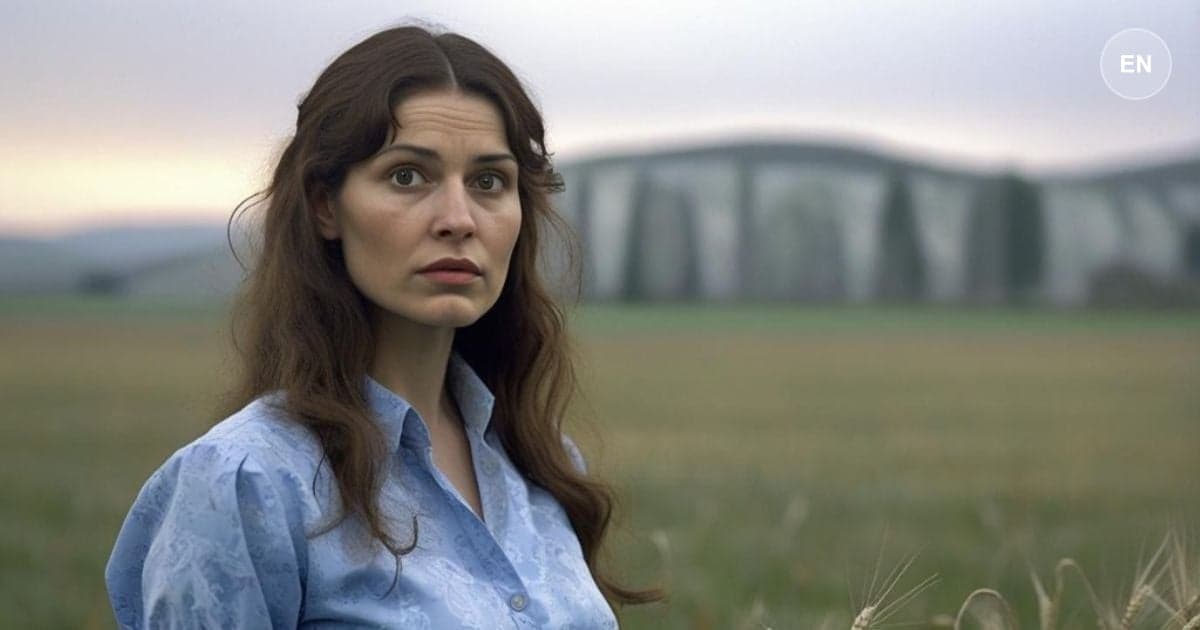
BATHSHEBA TALKS WITH HER OUTRIDER

The arrangement for getting back again to Weatherbury had been that Oak should take the place of Poorgrass in Bathsheba’s conveyance and drive her home, it being discovered late in the afternoon that Joseph was suffering from his old complaint, a multiplying eye, and was, therefore, hardly trustworthy as coachman and protector to a woman. But Oak had found himself so occupied, and was full of so many cares relative to those portions of Boldwood’s flocks that were not disposed of, that Bathsheba, without telling Oak or anybody, resolved to drive home herself, as she had many times done from Casterbridge Market, and trust to her good angel for performing the journey unmolested. But having fallen in with Farmer Boldwood accidentally (on her part at least) at the refreshment-tent, she found it impossible to refuse his offer to ride on horseback beside her as escort. It had grown twilight before she was aware, but Boldwood assured her that there was no cause for uneasiness, as the moon would be up in half-an-hour.

1 / 17

Master this chapter. Complete your experience

Purchase the complete book to access all chapters and support classic literature

Read Free on GutenbergBuy at Powell'sBuy on Amazon

As an Amazon Associate, we earn a small commission from qualifying purchases at no additional cost to you.

Available in paperback, hardcover, and e-book formats

GO ADS FREE — JOIN US

Why This Matters

Connect literature to life

Skill: Detecting Guilt Manipulation

This chapter teaches how to recognize when someone uses your past mistakes to pressure current decisions.

Practice This Today

This week, notice when someone references past favors or your previous errors to influence what you do next—that's guilt manipulation in action.

GO ADS FREE — JOIN US

Now let's explore the literary elements.

Key Quotes & Analysis

"Every dog has his day: that was mine."

— Farmer Boldwood

Context: Boldwood says this on the moonlit road as he recalls the moment he caught the fainting Bathsheba in Casterbridge market and carried her into the King's Arms Inn—the only time he held her in his arms.

The proverb lands with particular pathos because Boldwood means it sincerely rather than bitterly. His 'day' was a woman unconscious in his arms who did not know she was being held. Hardy uses the moment to show the depth of Boldwood's distortion: for a man of intense passionate feeling, this amounts to a cherished memory of intimacy. It also reveals how little Bathsheba has ever truly participated in what Boldwood calls their relationship.

In Today's Words:

Every person gets their one moment of good fortune. That was mine—the time I caught you as you fell.

"Oh what shall I do? I don't love you, and I much fear that I never shall love you as much as a woman ought to love a husband."

— Bathsheba Everdene

Context: Bathsheba says this during the climactic stretch of the moonlit conversation, as Boldwood presses her to make a formal promise to marry him in six years.

This is Bathsheba's most honest moment with Boldwood in the entire novel—clearer-eyed than her famous letter in Chapter 14. She names the fundamental impossibility directly and without evasion. Hardy's tragedy is that this honesty does not protect her: Boldwood hears only that she 'might' promise, and the remainder of the conversation extracts precisely the quasi-commitment he needs. The line stands as Hardy's quiet condemnation of a system in which a woman's compassion can be pressed into the shape of consent.

In Today's Words:

What am I supposed to do? I don't love you, and I'm afraid I never will—not the way a wife should love a husband.

"It is difficult for a woman to define her feelings in language which is chiefly made by men to express theirs."

— Bathsheba Everdene

Context: When Boldwood asks whether she likes or respects him, and she says both, he pushes for a definitive answer—'Which?'—and she responds with this observation.

This is one of Hardy's most distinctly feminist lines, and one of the most carefully placed. Bathsheba is not being evasive here; she is identifying a structural problem: the available emotional vocabulary is inadequate to her experience. The line also explains why her written and spoken words have caused such damage throughout the novel—her meaning is always imprecisely translated into a language not designed for it, and men hear what they want.

In Today's Words:

It's hard for a woman to put her feelings into words when the language was mostly built by men to describe their own feelings.

Thematic Threads

Guilt

In This Chapter

Bathsheba feels obligated to consider marrying Boldwood as penance for her thoughtless valentine

Development

Evolved from playful thoughtlessness to crushing responsibility

In Your Life:

You might feel guilty about past mistakes and let that guilt drive current decisions rather than wisdom.

Communication

In This Chapter

Bathsheba asks Gabriel for advice but secretly hopes he'll declare his own feelings instead

Development

Continued pattern of indirect communication causing misunderstandings

In Your Life:

You might ask for one thing while secretly hoping for something completely different, then feel disappointed.

Responsibility

In This Chapter

Bathsheba believes she's responsible for Boldwood's mental state and potential breakdown

Development

Her sense of responsibility has expanded beyond reasonable bounds

In Your Life:

You might take responsibility for other people's emotions and reactions to an unhealthy degree.

Class

In This Chapter

Gabriel gives practical, working-class advice while Bathsheba hopes for romantic declaration

Development

Class differences continue to shape their interactions and expectations

In Your Life:

You might find that people from different backgrounds approach problems in fundamentally different ways.

Identity

In This Chapter

Bathsheba struggles between her desire for independence and her guilt-driven sense of obligation

Development

Her identity crisis deepens as external pressures mount

In Your Life:

You might find your sense of self torn between what you want and what others expect from you.

GO ADS FREE — JOIN US

You now have the context. Time to form your own thoughts.

Discussion Questions

  1. 1

    What pressure tactics does Boldwood use to get Bathsheba to consider his proposal, and how does she respond?

    analysis • surface
  2. 2

    Why does Bathsheba feel obligated to consider marrying Boldwood despite not loving him?

    analysis • medium
  3. 3

    Where do you see people making major life decisions based on guilt rather than genuine desire in today's world?

    application • medium
  4. 4

    When Bathsheba asks Gabriel for advice, what is she really hoping to hear, and how does this show up in your own life?

    application • deep
  5. 5

    What does this chapter reveal about how past mistakes can become prisons if we let guilt control our future choices?

    reflection • deep

Critical Thinking Exercise

10 minutes

Separate Guilt from Choice

Think of a current situation where you feel obligated to do something primarily because of guilt rather than genuine desire. Write down the situation, then create two columns: 'Guilt Says' and 'My True Choice Would Be.' Fill in what guilt is telling you to do versus what you would choose if guilt weren't driving the decision. This exercise helps you recognize when guilt is masquerading as duty or love.

Consider:

  • •Guilt often feels urgent and demanding, while genuine choice feels calmer
  • •You can acknowledge past mistakes without sacrificing your future to them
  • •Sometimes the most honest thing is refusing to let guilt control major decisions

Journaling Prompt

Write about a time when you made a significant decision based on guilt rather than genuine desire. What was the outcome? How might you handle a similar situation differently now?

GO ADS FREE — JOIN US

Coming Up Next...

Chapter 52: The Christmas Eve Reckoning

As Christmas approaches and Bathsheba's promise deadline looms, the paths of all the main characters begin to converge. The weight of her decision grows heavier, and forces beyond her control start to shape everyone's fate.

Continue to Chapter 52
Previous
The Sheep Fair Reunion
Contents
Next
The Christmas Eve Reckoning

Continue Exploring

Far from the Madding Crowd Study GuideTeaching ResourcesEssential Life IndexBrowse by ThemeAll Books
Love & RelationshipsIdentity & Self-DiscoverySocial Class & Status

You Might Also Like

Jane Eyre cover

Jane Eyre

Charlotte Brontë

Explores personal growth

Great Expectations cover

Great Expectations

Charles Dickens

Explores personal growth

The Strange Case of Dr Jekyll and Mr Hyde cover

The Strange Case of Dr Jekyll and Mr Hyde

Robert Louis Stevenson

Explores personal growth

Don Quixote cover

Don Quixote

Miguel de Cervantes Saavedra

Explores personal growth

Browse all 47+ books
GO ADS FREE — JOIN US

Share This Chapter

Know someone who'd enjoy this? Spread the wisdom!

TwitterFacebookLinkedInEmail

Read ad-free with Prestige

Get rid of ads, unlock study guides and downloads, and support free access for everyone.

Subscribe to PrestigeCreate free account
Intelligence Amplifier
Intelligence Amplifier™Powering Wide Reads

Exploring human-AI collaboration through books, essays, and philosophical dialogues. Classic literature transformed into navigational maps for modern life.

2025 Books

→ The Amplified Human Spirit→ The Alarming Rise of Stupidity Amplified→ San Francisco: The AI Capital of the World
Visit intelligenceamplifier.org
hello@widereads.com

WideReads Originals

→ You Are Not Lost→ The Last Chapter First→ The Lit of Love→ Wealth and Poverty→ 10 Paradoxes in the Classics · coming soon
Arvintech
arvintechAmplify your Mind
Visit at arvintech.com

Navigate

  • Home
  • Library
  • Essential Life Index
  • How It Works
  • Subscribe
  • Account
  • About
  • Contact
  • Authors
  • Suggest a Book
  • Landings

Made For You

  • Students
  • Educators
  • Families
  • Readers
  • Literary Analysis
  • Finding Purpose
  • Letting Go
  • Recovering from a Breakup
  • Corruption
  • Gaslighting in the Classics

Newsletter

Weekly insights from the classics. Amplify Your Mind.

Legal

  • Privacy Policy
  • Terms of Service
  • Cookie Policy
  • Accessibility

Why Public Domain?

We focus on public domain classics because these timeless works belong to everyone. No paywalls, no restrictions—just wisdom that has stood the test of centuries, freely accessible to all readers.

Public domain books have shaped humanity's understanding of love, justice, ambition, and the human condition. By amplifying these works, we help preserve and share literature that truly belongs to the world.

A Pilgrimage

Powell's City of Books

Portland, Oregon

If you ever find yourself in Portland, walk to the corner of Burnside and 10th. The building takes up an entire city block. Inside is over a million books, new and used on the same shelf, organized by color-coded rooms with names like the Rose Room and the Pearl Room. You can lose an afternoon. You can lose a weekend. You will find a book you have been looking for your whole life, and three you did not know existed.

It is a pilgrimage. We cannot find a bookstore like it anywhere on earth. If you read the classics, and you ever get the chance, go. It belongs on every reader's bucket list.

Visit powells.com

We are not in any way affiliated with Powell's. We are just a very big fan.

© 2026 Wide Reads™. All Rights Reserved.

Intelligence Amplifier™ and Wide Reads™ are proprietary trademarks of Arvin Lioanag.

Copyright Protection: All original content, analyses, discussion questions, pedagogical frameworks, and methodology are protected by U.S. and international copyright law. Unauthorized reproduction, distribution, web scraping, or use for AI training is strictly prohibited. See our Copyright Notice for details.

Disclaimer: The information provided on this website is for general informational and educational purposes only and does not constitute professional, legal, financial, or technical advice. While we strive to ensure accuracy and relevance, we make no warranties regarding completeness, reliability, or suitability. Any reliance on such information is at your own risk. We are not liable for any losses or damages arising from use of this site. By using this site, you agree to these terms.