Chapter 09
The Charade's Hidden Message
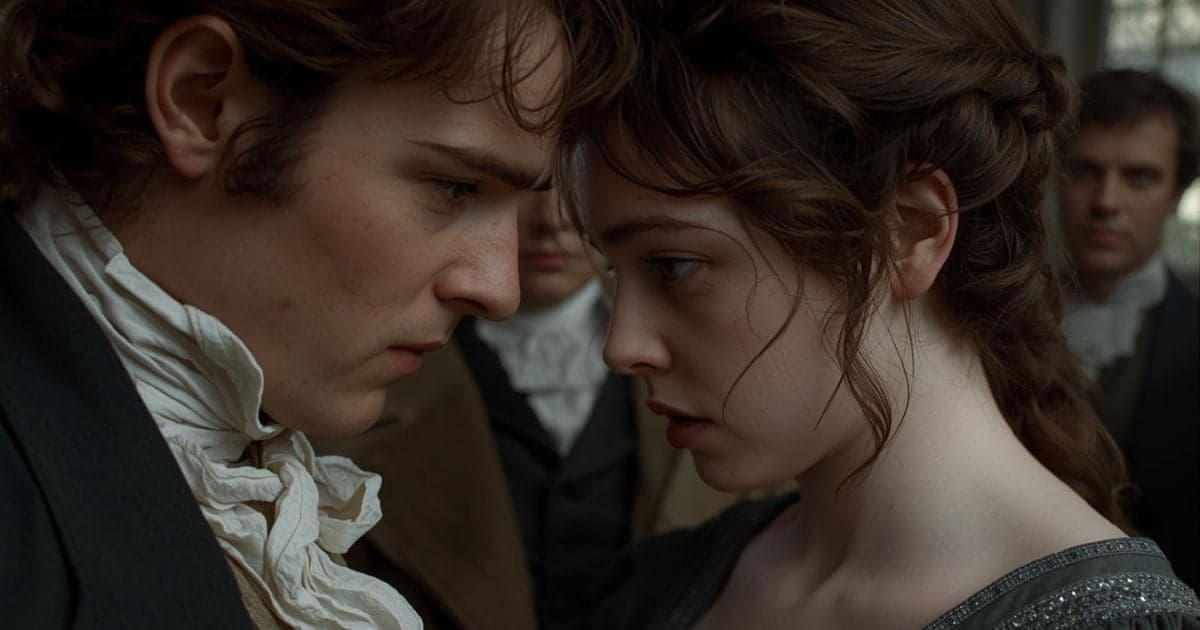
Mr. Knightley might quarrel with her, but Emma could not quarrel with herself. He was so much displeased, that it was longer than usual before he came to Hartfield again; and when they did meet, his grave looks shewed that she was not forgiven. She was sorry, but could not repent. On the contrary, her plans and proceedings were more and more justified and endeared to her by the general appearances of the next few days. The Picture, elegantly framed, came safely to hand soon after Mr. Elton’s return, and being hung over the mantelpiece of the common sitting-room, he…
Public-domain chapter text, formatted for reading.
Master this chapter. Complete your experience
Purchase the complete book to access all chapters and support classic literature
Available in paperback, hardcover, and e-book formats
Now let's explore the literary elements.
Key Quotes & Analysis
"She was sorry, but could not repent."
Context: After Knightley’s anger over Harriet’s refusal
Emma regrets the quarrel, not the act. Her plans harden as Elton’s behaviour seems to vindicate them.
In Today's Words:
Emma is sorry Knightley is displeased, but she will not repent of steering Harriet away from Martin. Each fresh sign from Elton, from the portrait to the charade, makes her more committed to the match she already chose and more certain Knightley's anger will pass.
"It was much easier to chat than to study; much pleasanter to let her imagination range and work at Harriet’s fortune, than to be labouring to enlarge "
Context: On their stalled improvement plans
Romance plotting replaces education. The riddle book becomes Harriet’s real intellectual work.
In Today's Words:
Emma and Harriet talk about Harriet's future with Elton instead of finishing the serious reading Emma promised. Collecting charades for a gilt album feels like improvement while it keeps them busy with flirtation and fortune-spinning rather than sober facts. The quarto of riddles becomes Harriet's only serious evening pursuit while Emma's improvement plan stays at first chapters and good intentions.
"My first displays the wealth and pomp of kings, Lords of the earth! their luxury and ease."
Context: The charade left for Emma and Harriet
The puzzle performs courtship in public while Elton pretends a friend wrote it. Emma reads every line as aimed at Harriet.
In Today's Words:
Elton's charade opens with court and ship to spell courtship, dressed in grand language and addressed to Miss dash dash. He says it belongs to a friend, but his manner tells Emma it is his own declaration aimed, she believes, at Harriet through her soft eyes.
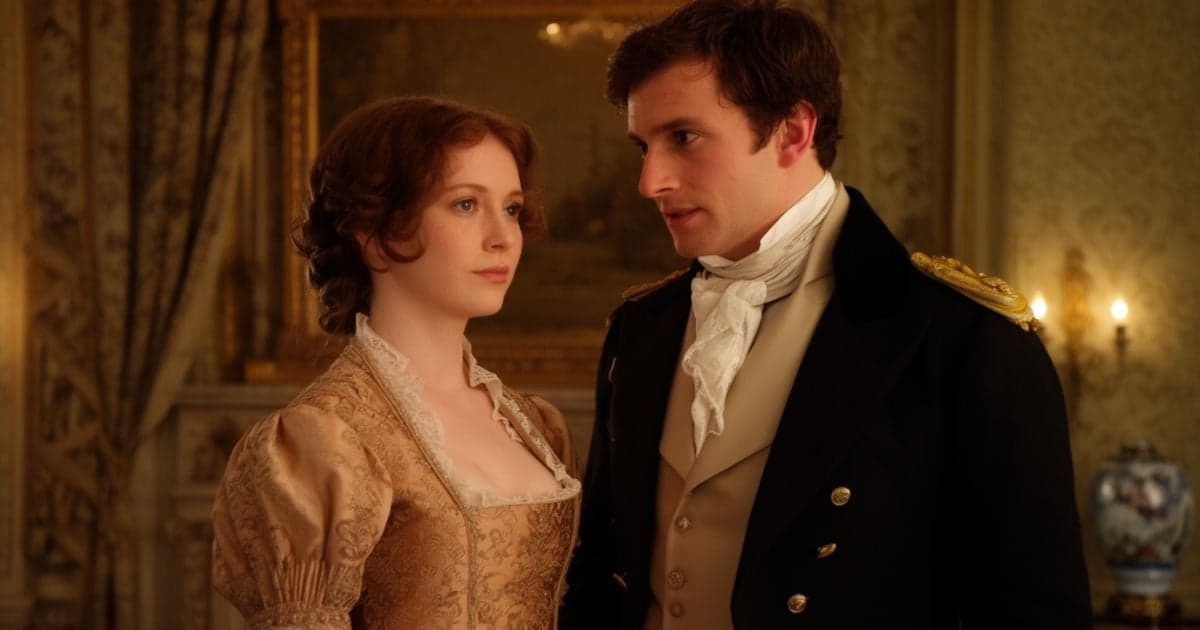
"I have no hesitation in saying—at least if my friend feels at all as _I_ do—I have not the smallest doubt that, could he see his little effusion honoured as _I_ see it, (looking at the book again, and replacing it on the table), he would consider it as the proudest moment of his life.”"
Context: When Emma returns the charade copied into Harriet’s book
Elton speaks through a fictional friend while claiming the honour himself. Emma hears confirmation; the reader may hear self-display.
In Today's Words:
When Emma gives back the charade with only eight lines copied, Elton says his friend would feel proud to see it honoured in the album. He hesitates, glances at Emma and Harriet, and treats the moment like a conquered stage while Emma hears final proof of Harriet's courtship.
Thematic Threads
Self-Deception
In This Chapter
Emma convinces herself Mr. Elton's charade proves her matchmaking success, interpreting every detail as confirmation
Development
Evolving from earlier social misjudgments into active self-justification
In Your Life:
You might recognize this when you keep defending a decision everyone else questions, finding reasons why you're still right.
Class Assumptions
In This Chapter
Emma assumes she can engineer relationships between people of different social positions without consequence
Development
Building on her earlier dismissal of social boundaries as obstacles to her plans
In Your Life:
This appears when you try to fix situations between people without understanding the power dynamics at play.
Performance vs Reality
In This Chapter
Mr. Elton's elaborate charade creates theatrical romance while masking his true intentions
Development
Introduced here as a new layer of social performance
In Your Life:
You see this in dating apps, job interviews, or any situation where people perform the expected role rather than showing authentic interest.
Intellectual Pride
In This Chapter
Emma feels vindicated against Mr. Knightley's earlier criticism, using the charade as proof she was right
Development
Escalating from defensive reactions to active point-scoring
In Your Life:
This emerges when you find yourself more focused on proving you were right than on whether the situation is actually working.
Misdirected Education
In This Chapter
Instead of serious reading, Emma and Harriet collect riddles and charades, mistaking entertainment for improvement
Development
Continuing the pattern of avoiding substantial learning in favor of pleasant activities
In Your Life:
You might recognize this when your self-improvement efforts focus more on feeling productive than creating real change.
You now have the context. Time to form your own thoughts.
Discussion Questions
This is not a test. Five prompts guide you through the chapter, from how it opens to how it closes, so you notice context and rhythm rather than facts to memorize. Sit with each question in your own words. When you see "One way to read it," treat it as a starting point, not the only answer.
- 1
What replaces Emma’s plan to improve Harriet’s mind in this chapter?
analysis • surfaceOne way to read it
Useful reading never gets past first chapters; instead they collect riddles and charades for Harriet’s hot-pressed quarto with Elton’s help.
- 2
How does Emma decode Mr. Elton’s charade?
analysis • mediumOne way to read it
She reads court and ship as courtship, takes the closing compliment to a soft eye as aimed at Harriet, and treats the whole paper as a direct declaration.
- 3
Why does Emma copy only eight lines of the charade into Harriet’s book?
application • mediumOne way to read it
She removes the two closing lines so the album keeps a pretty gallant charade without fixing public meaning on Harriet while Elton’s passion stays private.
- 4
How does Mr. Elton behave when Emma returns the charade?
application • deepOne way to read it
He looks doubtful and confused, speaks of honour, examines the book, and says his friend would count seeing it honoured the proudest moment of his life.
- 5
When have you explained someone’s gesture to a friend as proof of what you hoped?
reflection • deepOne way to read it
One honest answer might recall a moment like Emma’s, when you decoded a message for someone else and felt vindicated before checking who it was really addressing.
Critical Thinking Exercise
Test Your Theory
Think of a situation where you feel certain about someone's motivations or intentions. Write down three pieces of evidence that support your theory, then brainstorm three alternative explanations for the same evidence. Finally, identify what specific information would prove your theory wrong.
Consider:
- •Focus on observable behaviors rather than assumed intentions
- •Consider how your emotional investment might shape what you notice
- •Ask what someone neutral would see in the same situation
Journaling Prompt
Write about a time when you were absolutely certain about someone's motivations but later discovered you were wrong. What evidence did you ignore or misinterpret, and how did your investment in being right affect your judgment?
Coming Up Next...
Chapter 10: The Art of Strategic Matchmaking
Chapter X sends Emma and Harriet down Vicarage Lane on a charitable visit; Emma declares she will never marry, then breaks her bootlace to maneuver Harriet alone with Mr. Elton inside his house Emma and Harriet walk to a poor sick cottage down Vicarage Lane, passing Mr. Elton’s house..