Wide Reads
Literature MattersLife IndexEducators
Sign in
Where to Begin

The Art of Defending People We've Never Met — Emma

Emma - The Art of Defending People We've Never Met

Jane Austen

Emma

The Art of Defending People We've Never Met

Home›Books›Emma›Chapter 18: The Art of Defending People We've Never Met
Previous
18 of 55
Next

Analysis by the Wide Reads editorial team·Reviewed against the source text·Updated December 11, 2025

Summary

The Art of Defending People We've Never Met

Emma by Jane Austen

0:000:00
Listen to Next Chapter

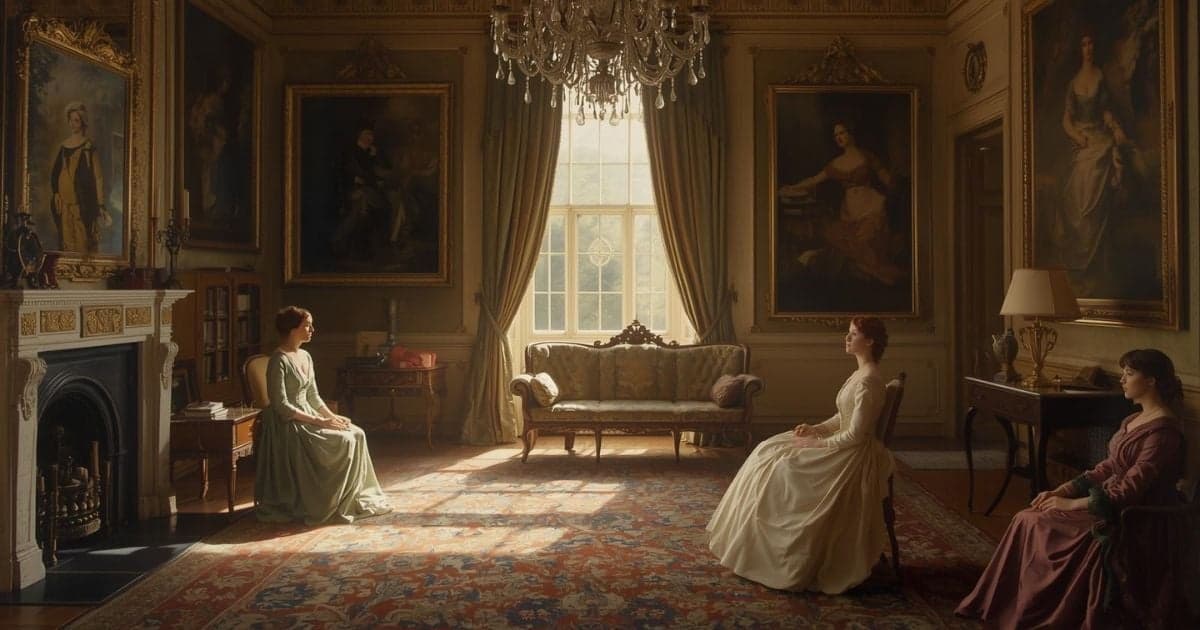
Mr Frank Churchill sends a letter of excuse instead of coming to Randalls. Mrs Weston is deeply disappointed while Mr Weston, after half an hour, reframes delay as better weather and a longer visit. Emma cares little for meeting Frank herself but performs warm sympathy for her friends.

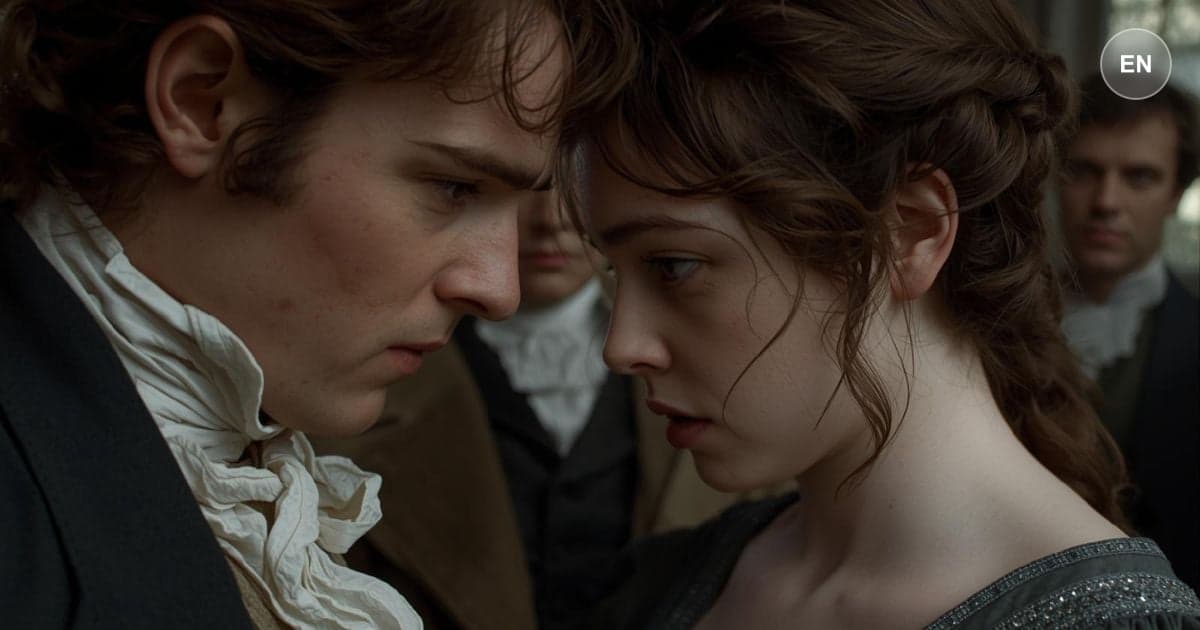
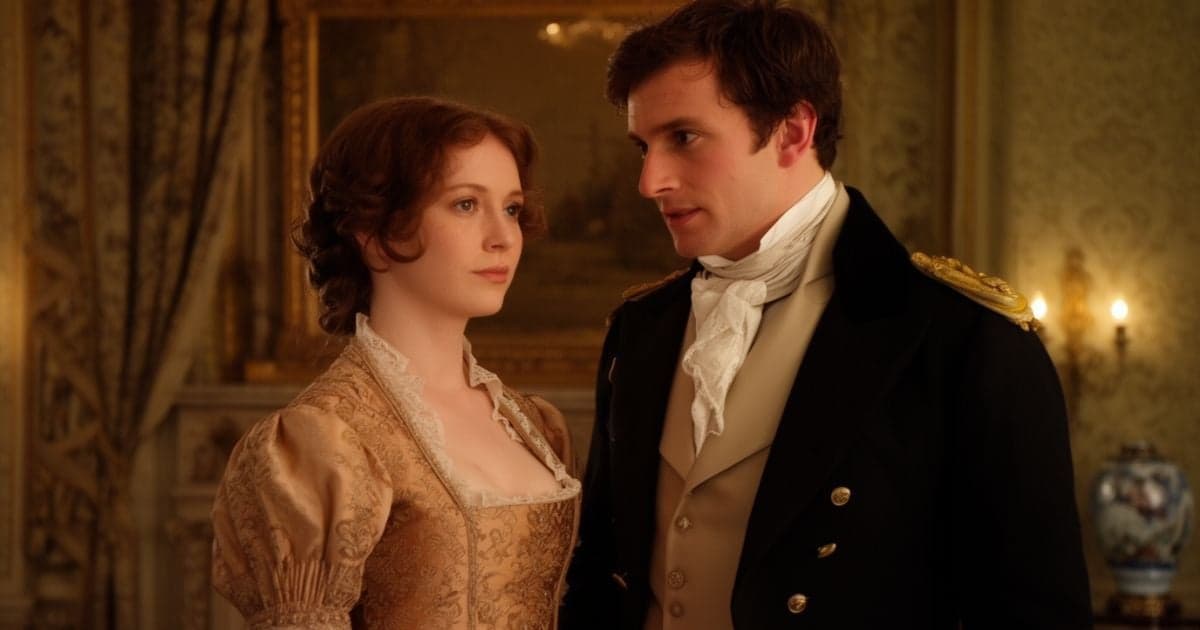
She tells Mr Knightley and exclaims against the Churchills, then praises Frank's arrival as a gala-day for Highbury until Knightley insists he could come if he chose. Their long debate pits duty and vigour against dependence and managed tempers; Emma laughs at Knightley's imagined speech to Mrs Churchill, yet keeps defending a man she has never met because love for the Westons overrides her judgment.

Knightley calls Frank's letters professions and falsehoods, says he can be amiable only in French not English, and claims he never thinks of him. Emma drops the subject, then wonders whether Knightley's self-regard has made him unjust to another man's merit for the first time.

In this chapter: Terms Characters Key Quotes Themes Modern Story

Why This Matters

Connect literature to life

Skill: Separating Loyalty from Logic

Loyalty can put you on a side you do not believe before you notice. Emma tells Mr Knightley that Frank Churchill cannot come, says more than she feels about the gala-day he would bring, and catches herself arguing Mrs Weston's case against her own judgment. Before you defend someone's conduct, ask whether you believe the argument or only want to spare someone you love.

Coming Up in Chapter 19

Volume II opens with Emma steering Harriet away from Mr Elton talk by calling on Mrs and Miss Bates, only to hear Jane Fairfax's letter read aloud and learn she is coming to Highbury for three months instead of Ireland.

Share it with friends

PreviousPrevious ChapterNextNext Chapter
Original text
2,526 wordscomplete

Chapter 18

The Art of Defending People We've Never Met

Mr. Frank Churchill did not come. When the time proposed drew near, Mrs. Weston’s fears were justified in the arrival of a letter of excuse. For the present, he could not be spared, to his “very great mortification and regret; but still he looked forward with the hope of coming to Randalls at no distant period.” Mrs. Weston was exceedingly disappointed—much more disappointed, in fact, than her husband, though her dependence on seeing the young man had been so much more sober: but a sanguine temper, though for ever expecting more good than occurs, does not always pay for its…

Public-domain chapter text, formatted for reading.

Master this chapter. Complete your experience

Purchase the complete book to access all chapters and support classic literature

Buy at Powell'sBuy on Amazon

Available in paperback, hardcover, and e-book formats

Now let's explore the literary elements.

Key Quotes & Analysis

"taking the other side of the question from her real opinion, and making use of Mrs. Weston’s arguments against herself."

— Narrator

Context: Emma's debate with Mr Knightley about Frank Churchill

Emma catches herself mid-argument. Loyalty to the Westons has her advocating positions she does not privately hold.

In Today's Words:

Emma realizes with amusement that she is arguing the opposite of what she actually thinks, borrowing Mrs Weston's excuses to defend Frank Churchill because she wants to spare the Westons, not because she believes her own lines. She is performing loyalty far more than conviction in that moment.

"There is one thing, Emma, which a man can always do, if he chuses, and that is, his duty; not by manoeuvring and finessing, but by vigour and resolution."

— Mr. Knightley

Context: Knightley on Frank's failure to visit his father

Knightley frames character as will and plain speech. From independence he cannot credit excuses built on dependence.

In Today's Words:

Mr Knightley tells Emma a man can always do his duty if he chooses, without scheming but with direct resolve. He believes Frank Churchill could visit his father at Randalls if he truly meant to honor the obligation he keeps promising. From his independent life he sees excuses as weakness, not strategy.

"But you have not an idea of what is requisite in situations directly opposite to your own."

— Emma

Context: Emma mocking Knightley's imagined speech to the Churchills

Emma names Knightley's blind spot: lifelong mastery makes dependence look like simple cowardice.

In Today's Words:

Emma tells Mr Knightley he cannot imagine what is required in a life opposite to his own, where a dependent young man cannot stand in a drawing room and declare independence to the aunt and uncle who raised and support him. She is defending Frank partly to spare the Westons' feelings.

"No, Emma, your amiable young man can be amiable only in French, not in English."

— Mr. Knightley

Context: Knightley's closing judgment of Frank's letters to Randalls

Polished manners without real consideration for others' feelings. Knightley separates charm from English delicacy toward those who wait.

In Today's Words:

Mr Knightley tells Emma her amiable young man may be agreeable in the French sense of pleasant manners, but not in the English sense of real care for other people's feelings, especially Mrs Weston's disappointment at Randalls. His polished letters satisfy others but not Mrs Weston's quick feelings.

Thematic Threads

Loyalty

In This Chapter

Emma defends Frank Churchill despite never meeting him, solely because his rejection disappoints the Westons

Development

Building from her general desire to please others, now showing how loyalty can override judgment

In Your Life:

You might find yourself defending your friend's bad relationship choices just because you love them

Class

In This Chapter

Knightley's independence versus Frank's dependence on wealthy guardians creates different moral obligations

Development

Continues exploring how economic position shapes moral choices and social expectations

In Your Life:

Your financial independence determines how much you can afford to stand on principle

Self-Knowledge

In This Chapter

Emma realizes she's arguing against her own instincts and taking positions she doesn't believe

Development

First major moment of Emma recognizing her own contradictions and borrowed thinking

In Your Life:

You might catch yourself parroting opinions that aren't really yours to fit in or protect others

Privilege

In This Chapter

Knightley judges from his position of independence, unable to understand constraints of dependence

Development

Introduced here as a blind spot that affects moral judgment

In Your Life:

Your advantages might make it hard to understand why others can't just do what seems obviously right

Character

In This Chapter

Fundamental disagreement about what makes someone good—unwavering principle versus navigating complexity

Development

Deepens the exploration of different moral frameworks and what we value in people

In Your Life:

You might clash with others over whether being consistent or being adaptable matters more

You now have the context. Time to form your own thoughts.

Discussion Questions

This is not a test. Five prompts guide you through the chapter, from how it opens to how it closes, so you notice context and rhythm rather than facts to memorize. Sit with each question in your own words. When you see "One way to read it," treat it as a starting point, not the only answer.

  1. 1

    How do Mr and Mrs Weston respond differently to Frank's excuse letter?

    ▶One way to read it

    Mr Weston rebounds in half an hour and reframes delay as advantage; Mrs Weston, more apprehensive, foresees only more excuses and suffers more herself.

    analysis • surface
  2. 2

    When does Emma realize she is arguing against her real opinion?

    ▶One way to read it

    During debate with Mr Knightley she perceives she has taken the other side from her real view and is using Mrs Weston's arguments against herself.

    analysis • medium
  3. 3

    Why does Emma say Mr Knightley cannot judge dependence?

    ▶One way to read it

    He has always been his own master and imagines Frank could simply speak with vigour to the Churchills, which Emma calls impossible in a dependent position.

    application • medium
  4. 4

    What does Knightley mean when he says Frank can be amiable only in French, not English?

    ▶One way to read it

    Frank may have pleasing manners but lacks real English delicacy toward others' feelings, such as Mrs Weston's stake in his visit to Randalls.

    application • deep
  5. 5

    When have you argued for someone while doubting your own points?

    ▶One way to read it

    One honest answer might recall a moment like Emma's, when protecting someone you love made you advocate a position you did not privately hold.

    reflection • deep

Critical Thinking Exercise

10 minutes

Separate the Person from the Position

Think of a recent situation where you defended someone's decision or behavior primarily because you care about them, not because you actually agreed with their choice. Write down what you actually believed versus what you argued. Then rewrite how you could have supported the person without defending the position you didn't believe.

Consider:

  • •Notice the difference between 'I support you' and 'I support your decision'
  • •Consider how loyalty can override our better judgment
  • •Think about whether defending questionable positions actually helps the people we love

Journaling Prompt

Write about a time when someone defended you in a situation where you were actually wrong. How did that feel? Did their defense help you grow, or did it enable you to avoid taking responsibility?

Coming Up Next...

Chapter 19: Avoiding Uncomfortable Conversations

Volume II opens with Emma steering Harriet away from Mr Elton talk by calling on Mrs and Miss Bates, only to hear Jane Fairfax's letter read aloud and learn she is coming to Highbury for three months instead of Ireland.

Continue to Chapter 19
Previous
Facing the Fallout
Contents
Next
Avoiding Uncomfortable Conversations
Keep exploring

Continue Exploring

Study guides, teaching tools, themes, and the full library.More ways to read Emma: study guides, teaching tools, and the wider library.

  • Emma Study Guide
  • Teaching Resources
  • Essential Life Index
  • Browse by Theme
  • All Books

What this chapter teaches

Theme analyses that draw on this chapter and apply it to modern life.

  • The Danger of Meddling in OthersExplore the danger of meddling in others through Emma by Jane Austen. Life lessons from classic literature applied to modern challenges.
Social Class & StatusLove & RelationshipsIdentity & Self-Discovery

You Might Also Like

Northanger Abbey cover

Northanger Abbey

Jane Austen

Also by Jane Austen

Pride and Prejudice cover

Pride and Prejudice

Jane Austen

Also by Jane Austen

Sense and Sensibility cover

Sense and Sensibility

Jane Austen

Also by Jane Austen

Persuasion cover

Persuasion

Jane Austen

Also by Jane Austen

Browse all 106+ books

Share This Chapter

Know someone who'd enjoy this? Spread the wisdom!

TwitterFacebookLinkedInEmail

Go further with Prestige

Unlock study guides and downloads, early access, and exclusive content — and support free access for everyone.

Subscribe to PrestigeCreate free account
Intelligence Amplifier
Intelligence Amplifier™Powering Wide Reads

Exploring human-AI collaboration through books, essays, and philosophical dialogues. Classic literature transformed into navigational maps for modern life.

2025 Books

→ The Amplified Human Spirit→ The Alarming Rise of Stupidity Amplified→ San Francisco: The AI Capital of the World
Visit intelligenceamplifier.org
hello@widereads.com

WideReads Originals

→ You Are Not Lost→ The Last Chapter First→ The Lit of Love→ Wealth and Poverty→ Wisdom for the Wounded
Arvintech
arvintechAmplify your Mind
Visit at arvintech.com

Navigate

  • Home
  • Library
  • Essential Life Index
  • How It Works
  • Subscribe
  • Account
  • About
  • Contact
  • Authors
  • Suggest a Book
  • Landings

Made For You

  • Trending
  • Students
  • Educators
  • Families
  • Readers
  • Literary Analysis
  • Finding Purpose
  • Letting Go
  • Recovering from a Breakup
  • Corruption
  • Gaslighting in the Classics

Newsletter

Weekly insights from the classics. Amplify Your Mind.

Legal

  • Privacy Policy
  • Terms of Service
  • Editorial Standards
  • Cookie Policy
  • Accessibility

Why Public Domain?

We focus on public domain classics because these timeless works belong to everyone. No paywalls, no restrictions—just wisdom that has stood the test of centuries, freely accessible to all readers.

Public domain books have shaped humanity's understanding of love, justice, ambition, and the human condition. By amplifying these works, we help preserve and share literature that truly belongs to the world.

A Pilgrimage

Powell's City of Books

Portland, Oregon

If you ever find yourself in Portland, walk to the corner of Burnside and 10th. The building takes up an entire city block. Inside is over a million books, new and used on the same shelf, organized by color-coded rooms with names like the Rose Room and the Pearl Room. You can lose an afternoon. You can lose a weekend. You will find a book you have been looking for your whole life, and three you did not know existed.

It is a pilgrimage. We cannot find a bookstore like it anywhere on earth. If you read the classics, and you ever get the chance, go. It belongs on every reader's bucket list.

Visit powells.com

We are not in any way affiliated with Powell's. We are just a very big fan.

© 2026 Wide Reads™. All Rights Reserved.

Intelligence Amplifier™ and Wide Reads™ are proprietary trademarks of Arvin Lioanag.

Copyright Protection: All original content, analyses, discussion questions, pedagogical frameworks, and methodology are protected by U.S. and international copyright law. Unauthorized reproduction, distribution, web scraping, or use for AI training is strictly prohibited. See our Copyright Notice for details.

Disclaimer: The information provided on this website is for general informational and educational purposes only and does not constitute professional, legal, financial, or technical advice. While we strive to ensure accuracy and relevance, we make no warranties regarding completeness, reliability, or suitability. Any reliance on such information is at your own risk. We are not liable for any losses or damages arising from use of this site. By using this site, you agree to these terms.