Master this chapter. Complete your experience
Purchase the complete book to access all chapters and support classic literature
As an Amazon Associate, we earn a small commission from qualifying purchases at no additional cost to you.
Available in paperback, hardcover, and e-book formats
Why This Matters
Connect literature to life
This chapter teaches how to spot when apparent success contains the seeds of future failure.
Practice This Today
This week, notice when someone celebrates 'winning' by making others lose - ask yourself what long-term problems this might create.
Now let's explore the literary elements.
Key Quotes & Analysis
"The inhabitant of London could order by telephone, sipping his morning tea in bed, the various products of the whole earth, in such quantity as he might see fit, and reasonably expect their early delivery upon his doorstep."
Context: Keynes describing the ease of global commerce before World War I
This quote captures how the pre-war economic system seemed magical and permanent to those who benefited from it. Keynes uses vivid imagery to show how effortless global trade had become, setting up his argument that this ease masked dangerous instabilities.
In Today's Words:
You could literally order anything from anywhere in the world from your bed and have it delivered to your door - just like Amazon today, but it seemed even more amazing back then.
"This remarkable system depended for its existence on a double bluff or deception."
Context: Explaining how the pre-war economy relied on workers accepting little while capitalists accumulated wealth
Keynes reveals that the whole golden age was built on a psychological trick - workers had to believe they were getting a fair deal while producing wealth they couldn't afford to buy. This quote shows his understanding that economics isn't just about numbers, but about what people believe.
In Today's Words:
The whole system was basically a con job that only worked because everyone agreed to pretend it was fair.
"Europe was so organized socially and economically as to secure the maximum accumulation of capital."
Context: Describing how European society was structured to prioritize saving and investment over consumption
This quote gets to the heart of Keynes's critique - European society wasn't organized for human happiness or even efficiency, but specifically to pile up wealth. He's showing how the whole social structure served this one economic goal.
In Today's Words:
European society was set up like a giant savings account - everything was designed to make rich people richer, not to make life better for regular people.
Thematic Threads
Economic Interdependence
In This Chapter
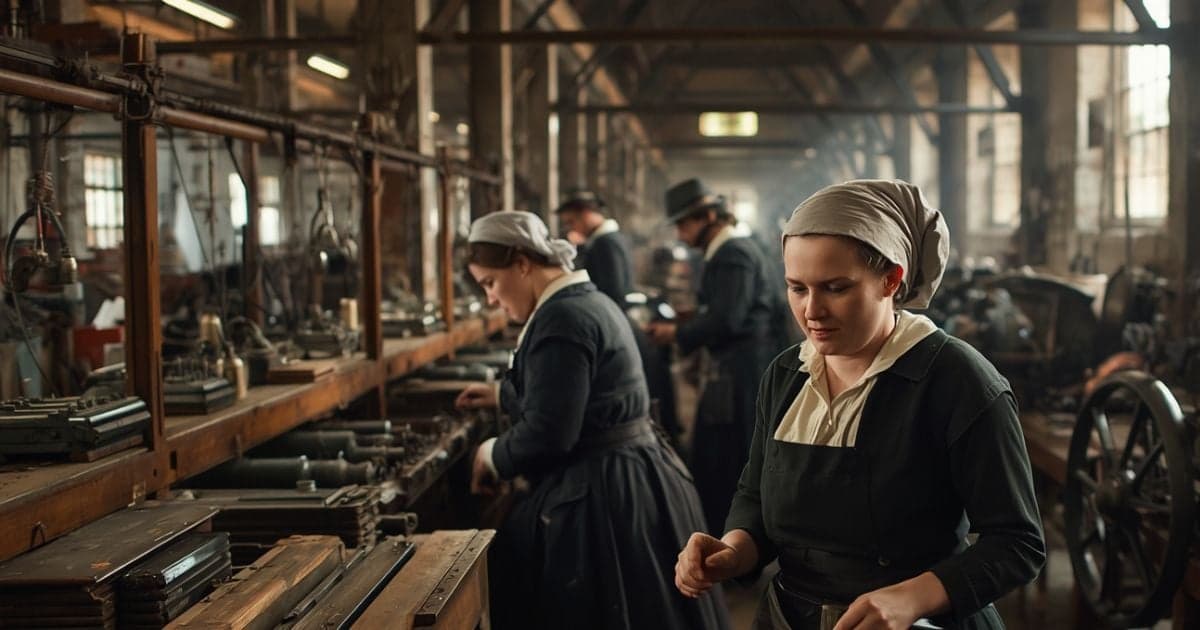
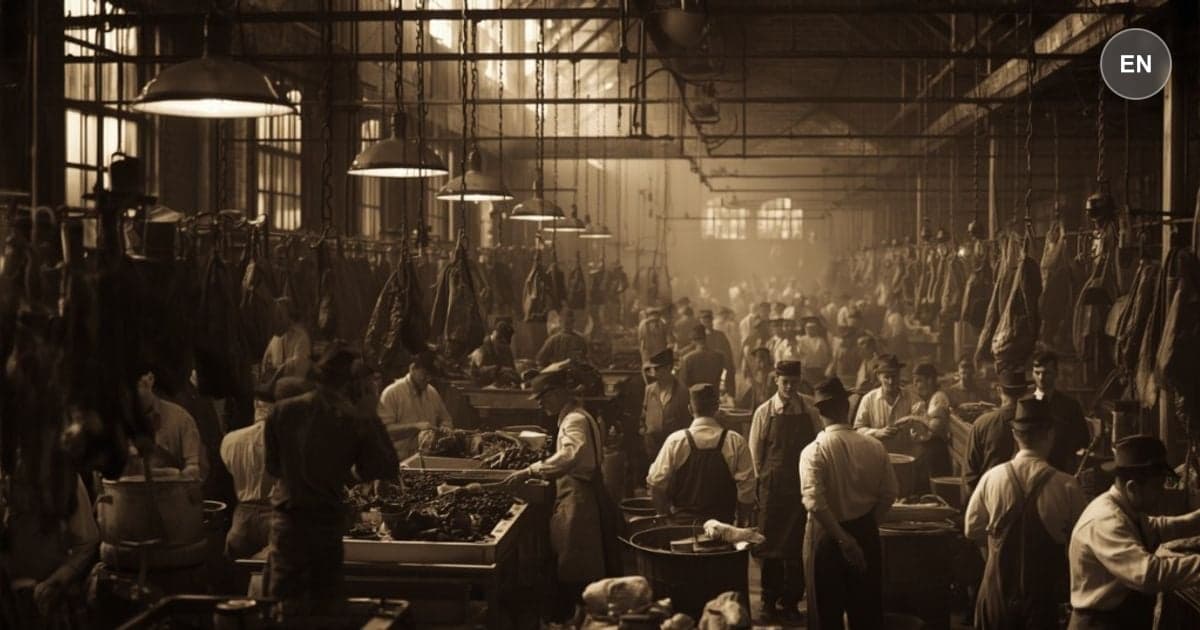
Pre-war Europe's complex web of trade and investment that seemed unbreakable but made every country vulnerable to others' failures
Development
Introduced here as foundation for understanding why peace negotiations would be so complex
In Your Life:
You might see this when your household budget depends entirely on one income source or your job security relies on one client.
Class Inequality
In This Chapter
The 'double bluff' where workers accepted low wages while capitalists accumulated wealth they didn't even enjoy
Development
Introduced here as a key weakness in the pre-war system
In Your Life:
You might recognize this in workplaces where employees accept low pay while executives hoard profits instead of reinvesting in staff.
Illusion of Permanence
In This Chapter
Europeans believing their economic golden age would last forever despite clear warning signs
Development
Introduced here as psychological blindness that enabled the crisis
In Your Life:
You might see this when you assume your current job, relationship, or health will never change without preparation.
Population Pressure
In This Chapter
Explosive population growth that outpaced food production capacity, creating unsustainable dependency
Development
Introduced here as demographic time bomb
In Your Life:
You might experience this when your family's needs grow faster than your ability to provide for them.
Systemic Vulnerability
In This Chapter
Multiple interconnected weaknesses that individually seemed manageable but together created catastrophic risk
Development
Introduced here as the core structural problem
In Your Life:
You might face this when several life challenges hit simultaneously because you lacked diversified support systems.
You now have the context. Time to form your own thoughts.
Discussion Questions
- 1
What made pre-1914 Europe's economic system seem so stable and prosperous on the surface?
analysis • surface - 2
Why did the four weaknesses Keynes identifies (population growth, interdependence, worker acceptance of low wages, and food dependency) make the system so fragile?
analysis • medium - 3
Where do you see this same pattern today - systems that appear strong but depend on unsustainable foundations?
application • medium - 4
How would you build genuine resilience in your own life instead of false prosperity that could collapse during a crisis?
application • deep - 5
What does Keynes's analysis reveal about why people ignore warning signs during good times?
reflection • deep
Critical Thinking Exercise
Map Your Own House of Cards
Think about something in your life that feels stable and secure - your job, living situation, relationship, or financial setup. Draw or list the key pieces that hold this system together. Now identify what would happen if one crucial piece failed. What backup plans exist? What warning signs might you be ignoring because things are going well?
Consider:
- •Look for single points of failure - places where one problem could cascade into bigger issues
- •Consider what you're sacrificing or ignoring to maintain current stability
- •Think about whether your security depends on things outside your control
Journaling Prompt
Write about a time when something you thought was permanent suddenly changed. What warning signs did you miss? How would you prepare differently now?
Coming Up Next...
Chapter 3: The Conference
Having established how fragile Europe's pre-war prosperity really was, Keynes will next examine the specific terms of the peace treaty and reveal how the negotiators' decisions ignored these economic realities, setting the stage for future catastrophe.