Chapter 11
Aging, Death, and What Really Lasts
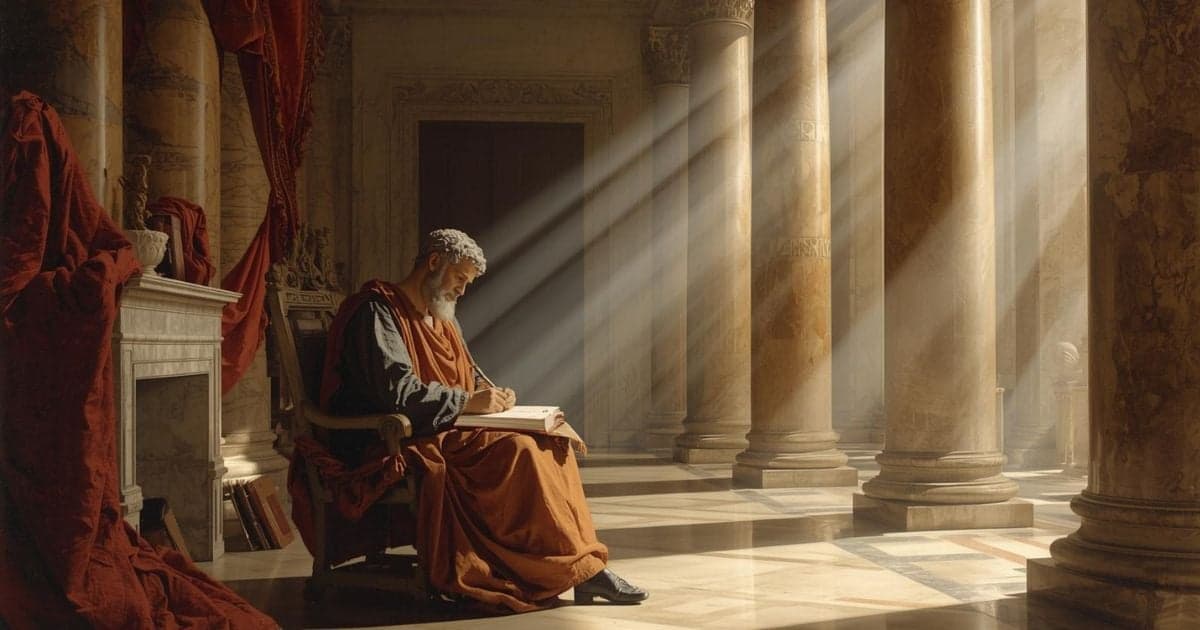
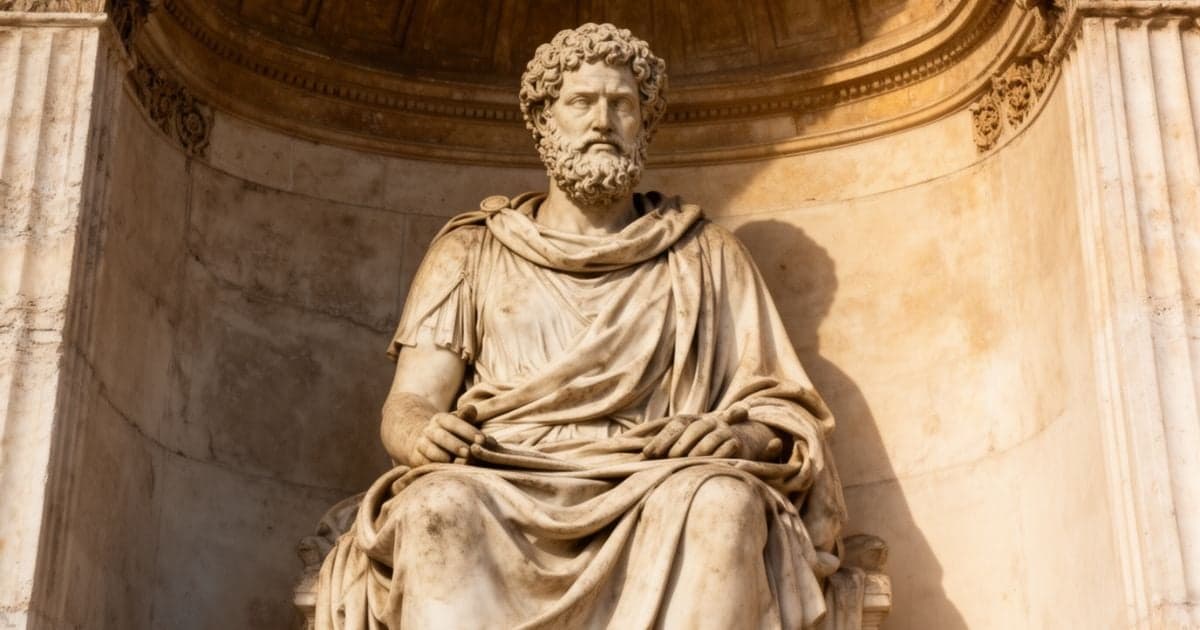
Old Age 146. How is there laughter, how is there joy, as this world is always burning? Why do you not seek a light, ye who are surrounded by darkness? 147. Look at this dressed-up lump, covered with wounds, joined together, sickly, full of many thoughts, which has no strength, no hold! 148. This body is wasted, full of sickness, and frail; this heap of corruption breaks to pieces, life indeed ends in death. 149. Those white bones, like gourds thrown away in the autumn, what pleasure is there in looking at them? 150. After a stronghold has been made…
Public-domain chapter text, formatted for reading.
Master this chapter. Complete your experience
Purchase the complete book to access all chapters and support classic literature
Available in paperback, hardcover, and e-book formats
Now let's explore the literary elements.
Key Quotes & Analysis
"How is there laughter, how is there joy, as this world is always burning? Why do you not seek a light, ye who are surrounded by darkness?"
Context: Opening challenge to denial in the face of decay
The chapter begins by refusing comfort without clarity. Celebration is not forbidden, but blindness to burning is.
In Today's Words:
On a day when status, speed, and noise feel like progress, The chapter begins by refusing comfort without clarity. Celebration is not forbidden, but blindness to burning is. Let the teaching stay practical: less performance, more honest attention. What looks passive from the outside is often precise timing.
"The brilliant chariots of kings are destroyed, the body also approaches destruction, but the virtue of good people never approaches destruction,--thus do the good say to the good."
Context: Contrasting what decays with what endures
Kings and bodies fail on schedule. Character built in virtue does not follow the same curve.
In Today's Words:
Before you push harder on the next decision, Kings and bodies fail on schedule. Character built in virtue does not follow the same curve. See whether openness reveals more than another burst of control. What looks passive from the outside is often precise timing. What looks passive from the outside is often precise timing.
"But now, maker of the tabernacle, thou hast been seen; thou shalt not make up this tabernacle again. All thy rafters are broken, thy ridge-pole is sundered; the mind, approaching the Eternal (visankhara, nirvana), has attained to the extinction of all desires."
Context: Describing liberation from the body-maker and desire
The turning point is seeing what keeps rebuilding the temporary dwelling. Break that structure and craving loosens.
In Today's Words:
When a teaching, slogan, or rule starts to feel like the whole truth, The turning point is seeing what keeps rebuilding the temporary dwelling. Break that structure and craving loosens. Choose observation over proof for the next difficult conversation. What looks passive from the outside is often precise timing.
"Men who have not observed proper discipline, and have not gained treasure in their youth, lie, like broken bows, sighing after the past."
Context: Closing image of wasted youth and useless age
The chapter ends with regret made visible: no discipline, no stored treasure, only sighing over what was not built in time.
In Today's Words:
In leadership, parenting, or any role where others watch your moves, The chapter ends with regret made visible: no discipline, no stored treasure, only sighing over what was not built in time. Notice whether force is buying clarity or only more noise. What looks passive from the outside is often precise timing.
Thematic Threads
Mortality
In This Chapter
Buddha forces confrontation with physical decay and death as universal realities that expose our misplaced priorities
Development
Introduced here as the foundation for understanding what truly matters
In Your Life:
You might avoid thinking about aging or death, missing chances to focus on what actually lasts
Wisdom
In This Chapter
Wisdom and virtue are presented as the only assets that appreciate over time, unlike physical possessions or beauty
Development
Introduced here as the antidote to misplaced investment
In Your Life:
You might undervalue developing patience, judgment, or emotional skills because they don't show immediate results
Illusion
In This Chapter
Buddha describes our celebration of temporary things as delusion, like partying in a burning building
Development
Introduced here as the core problem preventing wise choices
In Your Life:
You might chase promotions, purchases, or appearances that feel important but ultimately don't build lasting value
Growth
In This Chapter
True growth means developing character and understanding, not just accumulating size or possessions like the ox that grows bigger but not smarter
Development
Introduced here as the distinction between meaningful and meaningless development
In Your Life:
You might mistake getting older, richer, or more experienced for actually becoming wiser or more capable
Liberation
In This Chapter
Buddha describes breaking free from the cycle of desire and rebirth by finding the 'maker of the tabernacle'
Development
Introduced here as the ultimate goal of recognizing these patterns
In Your Life:
You might feel trapped in cycles of wanting and disappointment without recognizing you can step outside the pattern entirely
You now have the context. Time to form your own thoughts.
Discussion Questions
This is not a test. Five prompts guide you through the chapter, from how it opens to how it closes, so you notice context and rhythm rather than facts to memorize. Sit with each question in your own words. When you see "One way to read it," treat it as a starting point, not the only answer.
- 1
What does Buddha mean when he calls the body a 'dressed-up lump, covered with wounds' that 'has no strength, no hold'?
analysis • surfaceOne way to read it
One way to read it: Buddha is stripping away our illusions about the body's permanence and beauty. Beneath cosmetics and clothing lies something fragile and temporary.
- 2
Why does Buddha contrast the destruction of royal chariots with 'the virtue of good people never approaches destruction'?
analysis • mediumOne way to read it
One way to read it: Physical wealth and power decay, but character and wisdom create something that outlasts the body. We invest in the wrong things when we focus only on what's visible.
- 3
Where do you see people today acting like 'old herons in a lake without fish' because they waited too long to develop themselves?
application • mediumOne way to read it
One way to read it: People who reach retirement without developing interests, relationships, or inner resources often feel empty. They built only external success but no internal foundation.
- 4
How would you apply Buddha's teaching about gathering 'treasure in youth' to a major life decision you're facing now?
application • deepOne way to read it
One way to read it: Focus on choices that build character, wisdom, and meaningful relationships rather than just immediate pleasure or status. Ask what will still matter when your body fails.
- 5
What does the image of 'broken rafters' and 'sundered ridge-pole' reveal about how the mind relates to physical decay?
reflection • deepOne way to read it
One way to read it: The mind can transcend its physical housing when it stops clinging to permanence. Liberation comes from seeing through the illusion that we are our bodies.
Critical Thinking Exercise
Audit Your Investment Portfolio
List everything you spent significant time on last month - work projects, fitness routines, social media, shopping, learning, relationships. Next to each item, write whether it will be stronger, weaker, or gone in ten years. Then calculate what percentage of your time went to things that actually grow stronger with age versus things that decay.
Consider:
- •Be honest about activities that feel productive but don't actually build lasting capabilities
- •Consider which relationships and skills will become more valuable as you age
- •Notice if you're spending more energy maintaining appearances than developing substance
Journaling Prompt
Write about one area where you've been chasing something temporary when you could be building something permanent. What would it look like to shift your daily habits to invest in what lasts?
Coming Up Next...
Chapter 12: Taking Charge of Your Own Life
After examining what decays and what endures, Buddha turns inward to explore the most important relationship of all, the one you have with yourself. The next chapter reveals how self-mastery becomes the foundation for everything else.