Chapter 34
The Choice to Remember
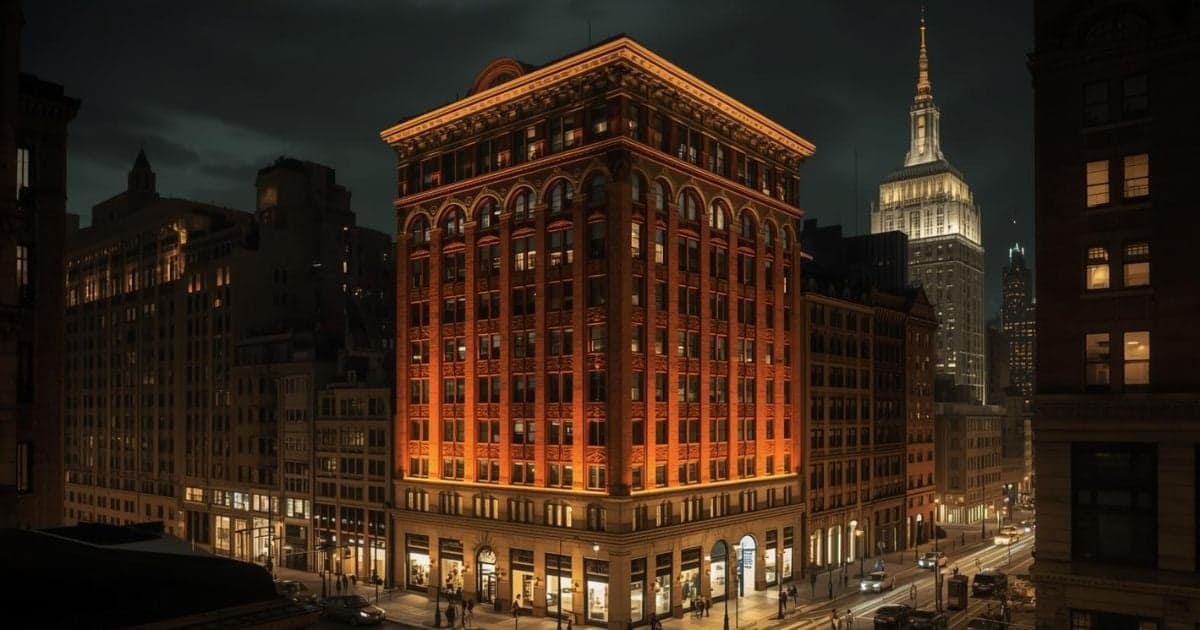
Newland Archer sat at the writing-table in his library in East Thirty-ninth Street. He had just got back from a big official reception for the inauguration of the new galleries at the Metropolitan Museum, and the spectacle of those great spaces crowded with the spoils of the ages, where the throng of fashion circulated through a series of scientifically catalogued treasures, had suddenly pressed on a rusted spring of memory. "Why, this used to be one of the old Cesnola rooms," he heard some one say; and instantly everything about him vanished, and he was sitting alone on a hard…
Public-domain chapter text, formatted for reading.
Master this chapter. Complete your experience
Purchase the complete book to access all chapters and support classic literature
Available in paperback, hardcover, and e-book formats
Now let's explore the literary elements.
Key Quotes & Analysis
"It's more real to me here than if I went up"
Context: Archer decides to stay on the bench instead of visiting Ellen
This captures the power of idealized memory over messy reality. Archer understands that seeing Ellen would destroy the perfect version he's carried for thirty years, and that perfect memory has actually sustained him better than any real relationship could have.
In Today's Words:
When scandal travels faster than facts, This captures the power of idealized memory over messy reality. Archer understands that seeing Ellen would destroy the perfect version he's carried for thirty years, and that perfect memory has actually sustained him better than any real relationship could have. Duty can look noble while quietly erasing what you.
"She never asked me"
Context: Realizing May knew about Ellen but trusted him anyway
This reveals the depth of May's understanding and trust. She knew about his feelings but never forced a confrontation, allowing him to choose duty freely. It shows that his sacrifice was witnessed and honored.
In Today's Words:
In a firm or family where reputation is currency, This reveals the depth of May's understanding and trust. She knew about his feelings but never forced a confrontation, allowing him to choose duty freely. It shows that his sacrifice was witnessed and honored. The scene is small, but the social stakes are not.
"Newland Archer sat at the writing-table in his library in East Thirty-ninth Street."
Context: From The Choice to Remember
This line shows how Old New York turns manners into a system of control.
In Today's Words:
When everyone knows the rules but no one states them, This line shows how Old New York turns manners into a system of control. Notice whether you are protecting peace or only protecting the hierarchy. Ask whether you are protecting yourself or only managing someone else's anxiety about appearances.
"He had just got back from a big official reception for the inauguration of the new galleries at the Metropolitan Museum, and the spectacle of those great spaces crowded with the spoils of the ages, where the throng of fashion circulated through a series of scientifically catalogued treasures, had suddenly pressed on a rusted spring of memory."
Context: From The Choice to Remember
This line shows how Old New York turns manners into a system of control.
In Today's Words:
If you have ever chosen the respectable path over the true one, This line shows how Old New York turns manners into a system of control. Wharton shows how that pressure still shapes modern conformity. Ask whether you are protecting yourself or only managing someone else's anxiety about appearances.
Thematic Threads
Identity
In This Chapter
Archer discovers his identity was shaped more by his restraint than his desires—he became who he was through what he chose not to do
Development
Final resolution of the identity struggle that began with his engagement—he now sees his choices created rather than constrained his true self
In Your Life:
The person you didn't become might reveal more about who you are than the person you did become
Social Expectations
In This Chapter
Society has completely transformed—Dallas marries a Beaufort without scandal, showing how rigid boundaries have dissolved
Development
Complete reversal from the opening chapters where social rules seemed immutable and all-controlling
In Your Life:
The social rules that feel permanent today will likely seem quaint to the next generation
Personal Growth
In This Chapter
Archer's growth culminates in understanding that his sacrifices weren't losses but the foundation of his character
Development
Evolution from seeing duty as constraint to recognizing it as the source of his deepest fulfillment
In Your Life:
The hardest choices you make often become the ones you're most grateful for years later
Human Relationships
In This Chapter
May's silent understanding of Archer's feelings reveals the depth of their unspoken connection
Development
Final revelation that transforms our understanding of their entire marriage from earlier chapters
In Your Life:
The people closest to you often understand your struggles better than you realize, even without words
Class
In This Chapter
The old class barriers have crumbled—Beaufort's daughter is now socially acceptable, showing complete social transformation
Development
Resolution of the class conflicts that drove the entire narrative—the rigid system has evolved beyond recognition
In Your Life:
Economic and social barriers that seem insurmountable today may dissolve faster than you expect
You now have the context. Time to form your own thoughts.
Discussion Questions
This is not a test. Five prompts guide you through the chapter, from how it opens to how it closes, so you notice context and rhythm rather than facts to memorize. Sit with each question in your own words. When you see "One way to read it," treat it as a starting point, not the only answer.
- 1
What does the opening of The Choice to Remember reveal when Thirty years after his marriage, Newland Archer sits in his...?
analysis • surfaceOne way to read it
Wharton opens by showing Thirty years after his marriage, Newland Archer sits in his library reflecting on a... before the social consequences fully surface.
- 2
Why does the middle of The Choice to Remember turn on When the moment comes to finally see Ellen after decades apart...?
analysis • mediumOne way to read it
The chapter escalates when When the moment comes to finally see Ellen after decades apart, Archer chooses to..., exposing how Old New York polices desire and reputation.
- 3
Where do you see sacred restraint in modern workplaces or family expectations?
application • mediumOne way to read it
One reading: the same pattern appears when teams punish honesty to keep a comfortable hierarchy intact.
- 4
How would you respond if you were in Newland Archer's position during His restraint becomes its own form of fulfillment.?
application • deepOne way to read it
A practical response is to name what you want, then act before propriety rewrites the story for you.
- 5
What does The Choice to Remember suggest about choosing duty when passion still pulls elsewhere?
reflection • deepOne way to read it
It suggests that peace bought by self-betrayal can cost more than the scandal you fear.
Critical Thinking Exercise
Map Your Sacred Restraints
Think of three situations in your life where you've chosen NOT to pursue something you wanted. For each one, write down what you were trying to preserve by holding back. Then identify which restraints protected something valuable versus which ones came from fear or habit.
Consider:
- •Consider restraints in relationships, career moves, family situations, and personal goals
- •Look for patterns in what you choose to protect versus what you avoid
- •Notice the difference between restraint that builds character and restraint that limits growth
Journaling Prompt
Write about a time when not getting what you wanted turned out to preserve something more important. How did that restraint shape who you became?