Wide Reads
Literature MattersLife IndexEducators
Sign in
Where to Begin

The Grindstone of Revolution — A Tale of Two Cities

A Tale of Two Cities - The Grindstone of Revolution

Charles Dickens

A Tale of Two Cities

The Grindstone of Revolution

Home›Books›A Tale of Two Cities›Chapter 32: The Grindstone of Revolution
Previous
32 of 45
Next

Analysis by the Wide Reads editorial team·Reviewed against the source text·Updated December 1, 2025

Summary

The Grindstone of Revolution

A Tale of Two Cities by Charles Dickens

0:000:00
Listen to Next Chapter

The revolution has reached Paris with horrifying intensity. Mr. Lorry sits in Tellson's Bank, now housed in a confiscated nobleman's mansion, watching the city descend into chaos. The contrast between the bank's ornate French setting and its staid British values highlights how quickly the old world is crumbling. When Lucie and Dr. Manette burst in with devastating news, Charles has been arrested and imprisoned in La Force, we see three different responses to crisis.

Lucie panics with desperate love, Lorry tries to maintain control through practical action, but Dr. Manette surprises everyone. The broken man who spent eighteen years in the Bastille suddenly becomes their greatest asset. His past suffering, which seemed like pure tragedy, now grants him unique power and respect among the revolutionaries. Meanwhile, outside the window, a grindstone has been set up where bloodthirsty citizens sharpen their weapons between massacres.

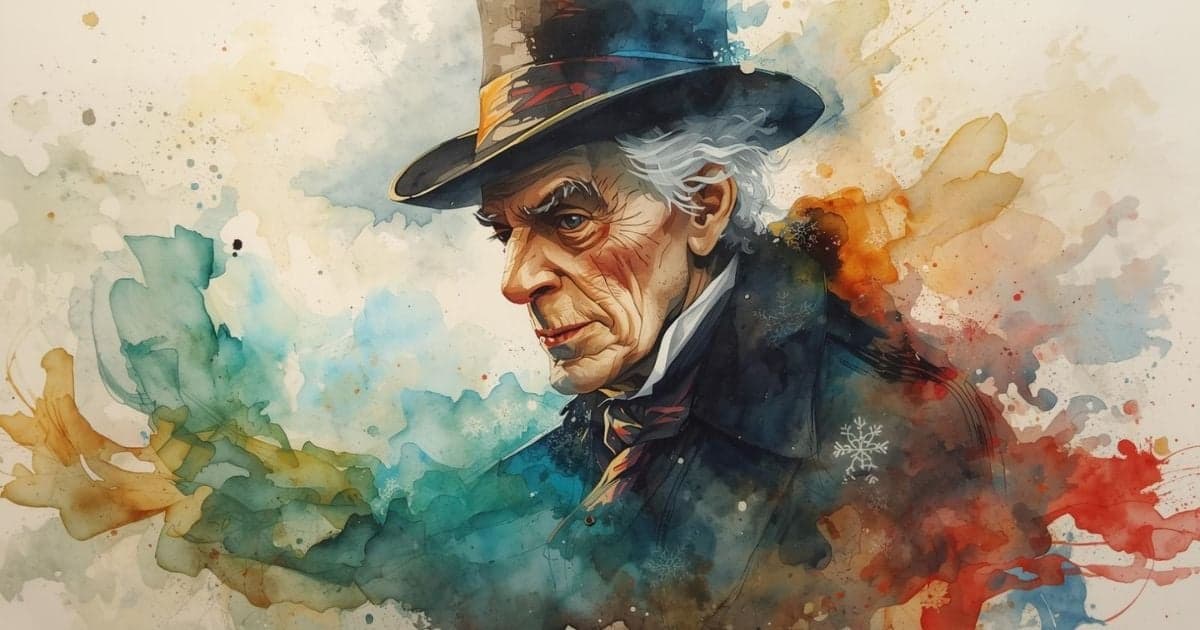
The image is both literal and symbolic, revolution grinding away at humanity itself. These aren't noble freedom fighters but people who have lost all moral boundaries, their faces painted with blood and twisted with savage excitement. Dr. Manette walks directly into this nightmare to save Charles, his white hair and calm authority cutting through the mob like magic.

His transformation from victim to hero shows how our worst experiences can become our greatest strengths when circumstances change. The chapter ends with Lucie collapsed in terror while the grindstone continues its grim work through the night.

In this chapter: Terms Characters Key Quotes Themes Modern Story

Why This Matters

Connect literature to life

Skill: Converting Liability into Asset

Power and fear often hide inside ordinary routines until someone is forced to act without a safe choice. In this chapter, a character in this chapter faces pressure that mirrors the opening beat: The Grindstone Tellson’s Bank, established in the Saint Germain Quarter of Paris, was in a wing of a. Before you judge a reaction as weakness, map who holds rank, who absorbs risk, and what converting liability into asset would change your next move.

Coming Up in Chapter 33

Dr. Manette has vanished into the revolutionary mob to save Charles, but what he discovers at La Force prison will test even his newfound power. Meanwhile, dark forces are already moving against the family he's trying to protect.

Share it with friends

PreviousPrevious ChapterNextNext Chapter
Original text
2,477 wordscomplete

Chapter 32

The Grindstone of Revolution

The Grindstone Tellson’s Bank, established in the Saint Germain Quarter of Paris, was in a wing of a large house, approached by a courtyard and shut off from the street by a high wall and a strong gate. The house belonged to a great nobleman who had lived in it until he made a flight from the troubles, in his own cook’s dress, and got across the borders. A mere beast of the chase flying from hunters, he was still in his metempsychosis no other than the same Monseigneur, the preparation of whose chocolate for whose lips had once occupied…

Public-domain chapter text, formatted for reading.

Master this chapter. Complete your experience

Purchase the complete book to access all chapters and support classic literature

Buy at Powell'sBuy on Amazon

Available in paperback, hardcover, and e-book formats

Now let's explore the literary elements.

Key Quotes & Analysis

"Lorry shivered, and retired to his seat by the fire."

— Mr. Jarvis Lorry

Context: A key line from the opening of the chapter

Lorry's physical reaction to the grindstone reveals how violence affects even those not directly threatened. His shivering shows the body's instinctive recognition of danger before the mind fully processes it.

In Today's Words:

The banker trembled and moved back to his chair by the fireplace, his body reacting to the ominous sight outside before his mind could fully process the threat. You see the same squeeze when a manager passes blame down and the person with no exit absorbs the cost.

"He got his arm round her, and held her."

— Mr. Jarvis Lorry

Context: A key line from the middle of the chapter

Physical comfort becomes the only response when words fail in crisis. Lorry's protective embrace shows how human connection provides stability when everything else collapses around us.

In Today's Words:

He wrapped his arms around her protectively, offering the only comfort possible when words couldn't ease her terror about her husband's fate. Ground it in the scene: who holds power, who absorbs risk, and what changes if you name it early. Ground it in the scene: who holds power, who absorbs risk, and what changes.

"Room for the Bastille prisoner in front there!"

— Narrator

Context: A key line from the closing third of the chapter

The crowd's chant transforms Dr. Manette from victim to hero through collective recognition. Their reverence shows how shared suffering can create unexpected bonds and authority.

In Today's Words:

Make way for the former Bastille prisoner! The crowd shouted, instantly elevating the old man from forgotten victim to revolutionary hero with unquestioned authority. Ground it in the scene: who holds power, who absorbs risk, and what changes if you name it early. Ground it in the scene: who holds power, who absorbs risk, and.

"O the long, long night, with the moans of the poor wife!"

— Narrator

Context: A key line from the closing third of the chapter

The narrator's repetitive phrasing mirrors the endless quality of waiting in crisis. The focus on Lucie's suffering emphasizes how those who wait often endure greater torment than those who act.

In Today's Words:

The endless night stretched on with the wife's anguished cries, each hour bringing no news and deepening her despair about her husband's fate. That is how it feels when institutions treat your survival as someone. You see the same squeeze when a manager passes blame down and the person with no exit absorbs the cost.

Thematic Threads

Class Revolution

In This Chapter

The physical transformation of aristocratic spaces into revolutionary headquarters, with ornate French luxury housing practical British banking

Development

Evolved from earlier class tensions into active violent overthrow of the entire social order

In Your Life:

You might see this when workplace cultures shift dramatically during mergers or when new management completely changes company values.

Crisis Response

In This Chapter

Three distinct reactions to Charles's arrest: Lucie's emotional collapse, Lorry's practical action, and Dr. Manette's unexpected transformation into leadership

Development

Builds on earlier patterns of how different characters handle stress and emergency situations

In Your Life:

You see these same three responses in any family crisis, someone panics, someone takes charge of logistics, and someone unexpected steps up with exactly the right skills.

Mob Mentality

In This Chapter

Citizens gathered around the grindstone, their faces painted with blood, lost in savage excitement while sharpening weapons between massacres

Development

Escalated from earlier crowd scenes to complete dehumanization and loss of moral boundaries

In Your Life:

You might recognize this in online pile-ons, workplace gossip campaigns, or any situation where group anger overrides individual conscience.

Hidden Strengths

In This Chapter

Dr. Manette's past suffering grants him unique authority and respect among revolutionaries who would kill other aristocrats

Development

Transforms his earlier mental fragility into strategic advantage

In Your Life:

You see this when your difficult past experiences suddenly become exactly what someone needs to hear or what a situation requires.

Moral Boundaries

In This Chapter

The grindstone scene shows how revolution has erased normal human limits, turning ordinary people into blood-drunk killers

Development

Completes the journey from justified anger to complete moral collapse

In Your Life:

You might see this when righteous anger in your workplace or community gradually loses all proportion and becomes destructive to everyone involved.

You now have the context. Time to form your own thoughts.

Discussion Questions

This is not a test. Five prompts guide you through the chapter, from how it opens to how it closes, so you notice context and rhythm rather than facts to memorize. Sit with each question in your own words. When you see "One way to read it," treat it as a starting point, not the only answer.

  1. 1

    How does the contrast between Tellson's British values and its French setting reflect the broader cultural upheaval of the revolution?

    ▶One way to read it

    The ornate French decorations clash with British business practices, showing how revolution disrupts not just politics but entire ways of life.

    analysis • medium
  2. 2

    What does Lucie's immediate panic versus Dr. Manette's calm confidence reveal about how past trauma can either paralyze or empower?

    ▶One way to read it

    Lucie's sheltered life leaves her helpless in crisis, while Manette's suffering has given him unique strength and authority in revolutionary Paris.

    analysis • deep
  3. 3

    Why does Dickens describe the revolutionaries sharpening weapons as 'awful workers' rather than freedom fighters?

    ▶One way to read it

    He emphasizes their bloodthirsty savagery over their political cause, showing how revolution can strip away humanity.

    analysis • medium
  4. 4

    How might you respond if your greatest weakness suddenly became your most valuable asset in a crisis?

    ▶One way to read it

    Like Dr. Manette, it would require recognizing that painful experiences can provide unique insights and credibility that others lack.

    application • medium
  5. 5

    What does the image of the grindstone 'with a red upon it that the sun had never given' suggest about the lasting effects of violence?

    ▶One way to read it

    Some stains cannot be washed away by time or nature, suggesting that violence leaves permanent marks on both objects and souls.

    reflection • deep

Critical Thinking Exercise

10 minutes

Turn Your Scars into Credentials

List three difficult experiences from your life. For each one, identify what specific skills, insights, or credibility it gave you that someone who never faced that challenge would lack. Then write one sentence describing how each experience could be an asset in a specific situation you might encounter.

Consider:

  • •Focus on what you learned, not just what you survived
  • •Consider how your experience helps you understand or help others
  • •Think about situations where your hard-earned wisdom gives you an advantage

Journaling Prompt

Write about a time when someone trusted you or sought your advice specifically because you had been through something difficult. What made your experience valuable to them, and how did it feel to realize your struggle had become a strength?

Coming Up Next...

Chapter 33: The Shadow Falls

Dr. Manette has vanished into the revolutionary mob to save Charles, but what he discovers at La Force prison will test even his newfound power. Meanwhile, dark forces are already moving against the family he's trying to protect.

Continue to Chapter 33
Previous
Crossing Into Danger
Contents
Next
The Shadow Falls
Keep exploring

Continue Exploring

Study guides, teaching tools, themes, and the full library.More ways to read A Tale of Two Cities: study guides, teaching tools, and the wider library.

  • A Tale of Two Cities Study Guide
  • Teaching Resources
  • Essential Life Index
  • Browse by Theme
  • All Books

What this chapter teaches

Theme analyses that draw on this chapter and apply it to modern life.

  • Recognizing Mob MentalitySee how righteous anger can become as cruel as the oppression it fights—and learn to recognize the moment a crowd stops thinking and starts consuming.
Moral Dilemmas & EthicsSocial Class & StatusPower & Corruption

You Might Also Like

Hard Times cover

Hard Times

Charles Dickens

Also by Charles Dickens

Great Expectations cover

Great Expectations

Charles Dickens

Also by Charles Dickens

A Christmas Carol cover

A Christmas Carol

Charles Dickens

Also by Charles Dickens

Les Misérables: Essential Edition cover

Les Misérables: Essential Edition

Victor Hugo

Explores justice & fairness

Browse all 106+ books

Share This Chapter

Know someone who'd enjoy this? Spread the wisdom!

TwitterFacebookLinkedInEmail

Go further with Prestige

Unlock study guides and downloads, early access, and exclusive content — and support free access for everyone.

Subscribe to PrestigeCreate free account
Intelligence Amplifier
Intelligence Amplifier™Powering Wide Reads

Exploring human-AI collaboration through books, essays, and philosophical dialogues. Classic literature transformed into navigational maps for modern life.

2025 Books

→ The Amplified Human Spirit→ The Alarming Rise of Stupidity Amplified→ San Francisco: The AI Capital of the World
Visit intelligenceamplifier.org
hello@widereads.com

WideReads Originals

→ You Are Not Lost→ The Last Chapter First→ The Lit of Love→ Wealth and Poverty→ Wisdom for the Wounded
Arvintech
arvintechAmplify your Mind
Visit at arvintech.com

Navigate

  • Home
  • Library
  • Essential Life Index
  • How It Works
  • Subscribe
  • Account
  • About
  • Contact
  • Authors
  • Suggest a Book
  • Landings

Made For You

  • Trending
  • Students
  • Educators
  • Families
  • Readers
  • Literary Analysis
  • Finding Purpose
  • Letting Go
  • Recovering from a Breakup
  • Corruption
  • Gaslighting in the Classics

Newsletter

Weekly insights from the classics. Amplify Your Mind.

Legal

  • Privacy Policy
  • Terms of Service
  • Editorial Standards
  • Cookie Policy
  • Accessibility

Why Public Domain?

We focus on public domain classics because these timeless works belong to everyone. No paywalls, no restrictions—just wisdom that has stood the test of centuries, freely accessible to all readers.

Public domain books have shaped humanity's understanding of love, justice, ambition, and the human condition. By amplifying these works, we help preserve and share literature that truly belongs to the world.

A Pilgrimage

Powell's City of Books

Portland, Oregon

If you ever find yourself in Portland, walk to the corner of Burnside and 10th. The building takes up an entire city block. Inside is over a million books, new and used on the same shelf, organized by color-coded rooms with names like the Rose Room and the Pearl Room. You can lose an afternoon. You can lose a weekend. You will find a book you have been looking for your whole life, and three you did not know existed.

It is a pilgrimage. We cannot find a bookstore like it anywhere on earth. If you read the classics, and you ever get the chance, go. It belongs on every reader's bucket list.

Visit powells.com

We are not in any way affiliated with Powell's. We are just a very big fan.

© 2026 Wide Reads™. All Rights Reserved.

Intelligence Amplifier™ and Wide Reads™ are proprietary trademarks of Arvin Lioanag.

Copyright Protection: All original content, analyses, discussion questions, pedagogical frameworks, and methodology are protected by U.S. and international copyright law. Unauthorized reproduction, distribution, web scraping, or use for AI training is strictly prohibited. See our Copyright Notice for details.

Disclaimer: The information provided on this website is for general informational and educational purposes only and does not constitute professional, legal, financial, or technical advice. While we strive to ensure accuracy and relevance, we make no warranties regarding completeness, reliability, or suitability. Any reliance on such information is at your own risk. We are not liable for any losses or damages arising from use of this site. By using this site, you agree to these terms.