Chapter 23
The Return: When Your Message Gets Twisted
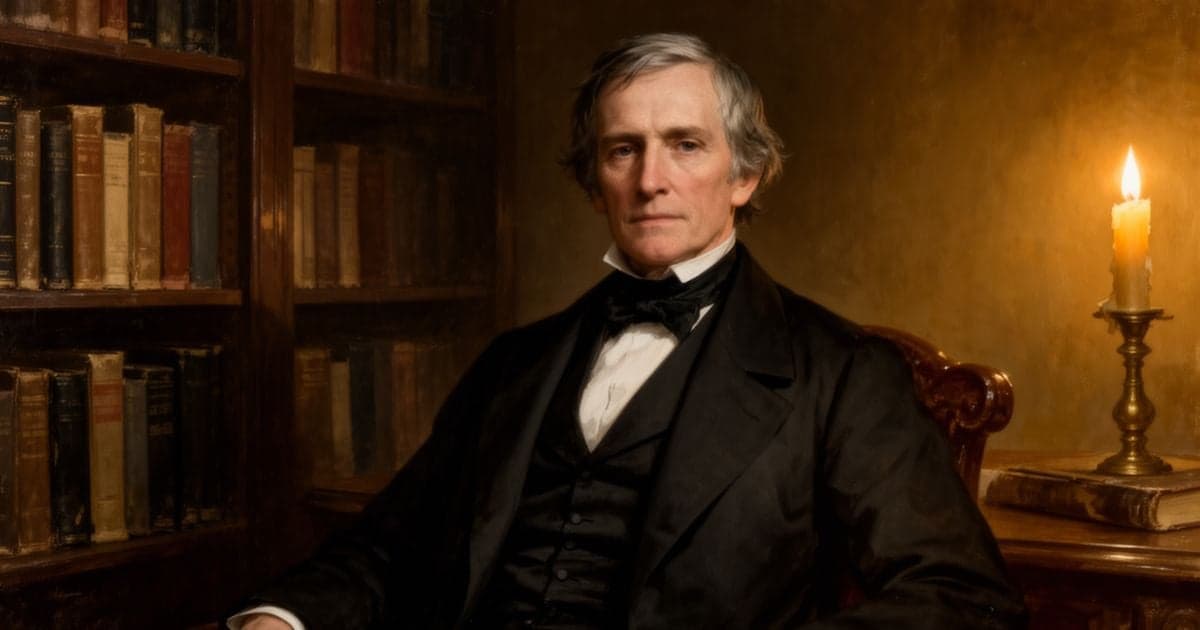
After this Zarathustra returned again into the mountains to the solitude of his cave, and withdrew himself from men, waiting like a sower who hath scattered his seed. His soul, however, became impatient and full of longing for those whom he loved: because he had still much to give them. For this is hardest of all: to close the open hand out of love, and keep modest as a giver. Thus passed with the lonesome one months and years; his wisdom meanwhile increased, and caused him pain by its abundance. One morning, however, he awoke ere the rosy dawn, and…
Public-domain chapter text, formatted for reading.
Master this chapter. Complete your experience
Purchase the complete book to access all chapters and support classic literature
Available in paperback, hardcover, and e-book formats
Now let's explore the literary elements.
Key Quotes & Analysis
"For this is hardest of all: to close the open hand out of love, and keep modest as a giver."
Context: Explaining why Zarathustra withdrew from people despite wanting to help them
This captures the painful paradox of caring leadership - sometimes you have to hold back your help because people aren't ready for it, or because giving too much can actually harm them. It's about the discipline of knowing when to step back.
In Today's Words:
Sometimes real care means holding back when every instinct is screaming to help. Knowing when your presence or assistance is actually getting in the way, and having the self-control to stay quiet and let someone find their own footing, is one of the most demanding disciplines in any relationship.
"Lost are my friends; the hour hath come for me to seek my lost ones!"
Context: His realization after the nightmare that he must return to reclaim his message
This shows the moment when passive regret turns into active determination. He's not just sad about losing people - he's ready to fight to get them back. It's about taking responsibility for your relationships.
In Today's Words:
Passive regret never recovered anything worth keeping. Once you recognize that the people and ideas that matter most to you have drifted because you stayed silent, the only honest response is to stop waiting and go actively reclaim what you abandoned, regardless of how uncomfortable that re-engagement might feel.
"Mine enemies have grown powerful and have disfigured the likeness of my doctrine, so that my dearest ones have to blush for the gifts that I gave them."
Context: His understanding of what the dream revealed about his corrupted teachings
This perfectly captures how misinformation works - it doesn't just attack you, it makes your supporters ashamed to be associated with you. The real damage isn't to your reputation, it's to the people who believed in you.
In Today's Words:
When you stop defending what you actually stand for, the people most hostile to your message will fill the silence with their version of it. Your closest supporters end up embarrassed by what they think you represent, because you were not there to tell them what you actually meant.
"Too long hath solitude possessed me: thus have I unlearned to keep silence."
Context: His recognition that isolation has pushed him past reflection into withdrawal, and it is time to speak again
There is a point where productive solitude becomes avoidance and isolation becomes an excuse to stop engaging with the world. Zarathustra's restlessness signals that he has crossed that line and must return.
In Today's Words:
There is a point where reflection turns into avoidance and deliberate distance becomes an excuse to stop engaging. When you have been quiet so long that you have almost forgotten how to speak your truth, the most urgent thing you can do is re-enter the world and start speaking again.
Thematic Threads
Isolation
In This Chapter
Zarathustra's mountain retreat becomes a trap that allows his message to be corrupted in his absence
Development
Evolved from earlier chapters where solitude was wisdom—now it's shown as potentially harmful abandonment
In Your Life:
Sometimes stepping back from conflict allows others to define your position for you
Identity
In This Chapter
Zarathustra sees his reflection distorted into a devil's face, representing how others now see him
Development
Builds on earlier identity struggles, now showing how public perception can warp self-image
In Your Life:
When people misrepresent you, it can make you question who you really are
Social Expectations
In This Chapter
Even friends are embarrassed by what they think Zarathustra represents, showing social pressure to conform
Development
Continues the theme of society rejecting uncomfortable truths, now affecting even close relationships
In Your Life:
Speaking up about important issues can strain relationships with people who want to avoid conflict
Personal Growth
In This Chapter
The nightmare forces Zarathustra to recognize his responsibility to actively defend his message
Development
Shows growth from passive wisdom-sharing to active engagement with the world
In Your Life:
Sometimes growth means returning to difficult situations you thought you'd left behind
Class
In This Chapter
Zarathustra's 'wild wisdom' alarms even friends, suggesting ideas that challenge class assumptions are threatening
Development
Continues exploring how revolutionary ideas about human potential threaten existing social order
In Your Life:
Ideas that challenge workplace hierarchy or social expectations often get labeled as 'too radical'
You now have the context. Time to form your own thoughts.
Discussion Questions
This is not a test. Five prompts guide you through the chapter, from how it opens to how it closes, so you notice context and rhythm rather than facts to memorize. Sit with each question in your own words. When you see "One way to read it," treat it as a starting point, not the only answer.
- 1
What does the dream of the child and the mirror reveal about what has happened to Zarathustra's teachings during his absence?
analysis • surfaceOne way to read it
The mirror shows a devil's grimace instead of his face, meaning his enemies have distorted his philosophy so thoroughly that even his followers now associate his name with something he never intended.
- 2
Why does Zarathustra react to his nightmare with excitement and energy rather than despair or grief?
analysis • mediumOne way to read it
He interprets the dream not as a defeat but as a call to action, realizing that his silence has created a vacuum. The urgency of reclaiming his message energizes rather than demoralizes him.
- 3
Zarathustra compares himself to a sower who scattered seed and then withdrew. When has stepping back from something you started allowed others to define it in ways you never intended?
application • mediumOne way to read it
This can happen in workplaces, families, or creative projects when the originator disengages. Without ongoing stewardship, even well-planted ideas get shaped by whoever is present and vocal.
- 4
Zarathustra says his wild wisdom became pregnant on the lonesome mountains but now seeks the soft sward of his friends' hearts. How do you decide when to stay in solitude to develop an idea and when to bring it back into the world?
application • deepOne way to read it
The signal to re-engage comes when you have something specific to clarify or defend rather than ideas still forming. Zarathustra's nightmare provides that signal, making the timing of his return purposeful rather than impulsive.
- 5
If you discovered that something you had written, said, or built was being used to justify positions you fundamentally oppose, what would you do differently in how you communicate and stay present with your ideas?
reflection • deepOne way to read it
Most people wish they had stayed more engaged, offered more context, or been quicker to correct misuse. Zarathustra's experience suggests that important ideas require ongoing advocacy, not just initial expression.
Critical Thinking Exercise
Track Your Message Trail
Think of something important you've said recently at work, at home, or online. Write down exactly what you meant to communicate. Then trace how that message traveled - who heard it, who they might have told, and how it could have been interpreted differently at each step. Finally, identify one specific action you could take to clarify or reclaim your original meaning.
Consider:
- •Consider how your audience's existing beliefs or concerns might filter your message
- •Think about whether your silence after speaking left room for others to fill in gaps
- •Notice the difference between what you assumed was obvious and what actually needed to be spelled out
Journaling Prompt
Write about a time when you stayed quiet after being misunderstood, thinking the truth would eventually come out on its own. What would you do differently now?
Coming Up Next...
Chapter 24: Creating Your Own Meaning
Zarathustra's return begins with a meditation on ripeness and timing. Like figs ready to fall from trees, some truths can only be shared when the moment is right: and he's about to discover what that means..