Chapter 22
The Death of Hector
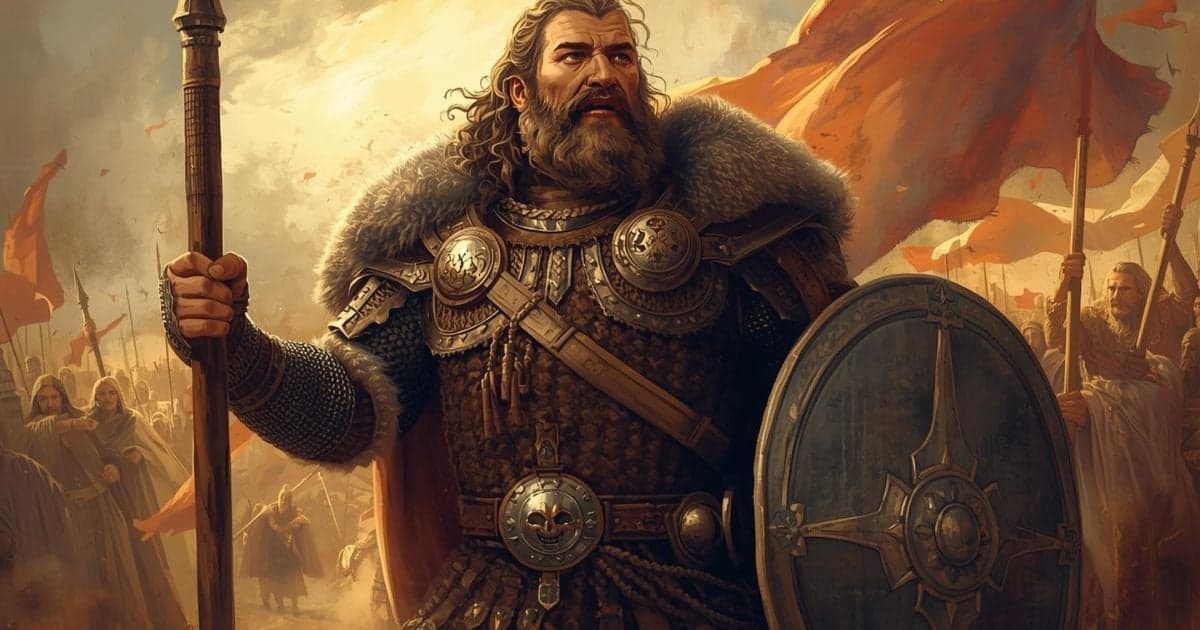
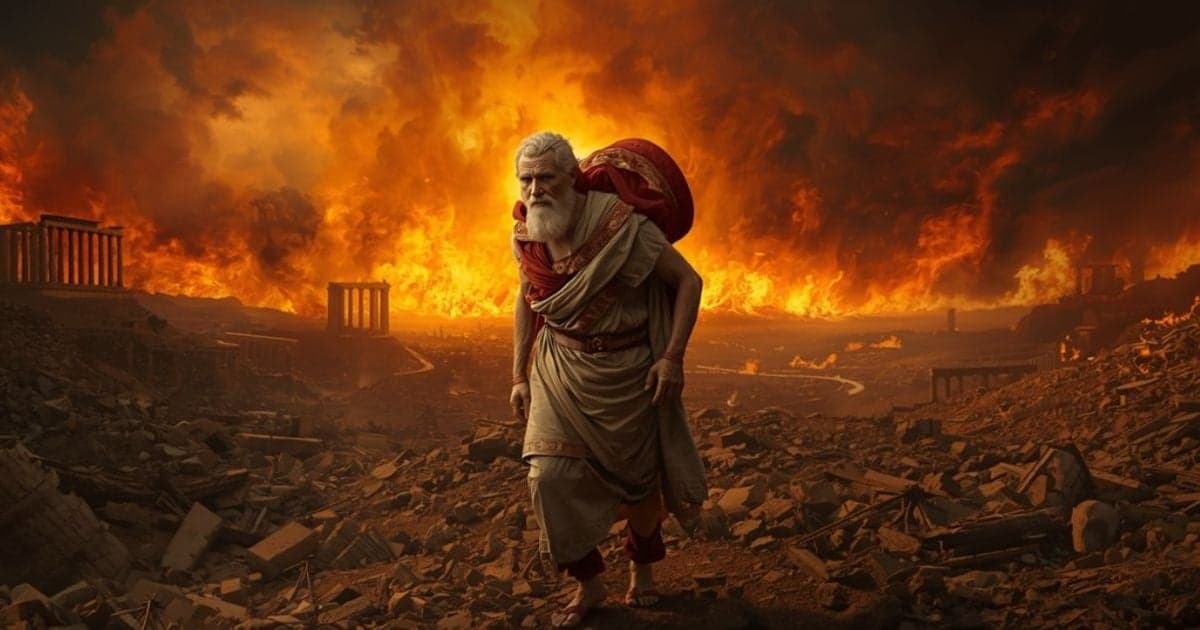
ARGUMENT. THE DEATH OF HECTOR. The Trojans being safe within the walls, Hector only stays to oppose Achilles. Priam is struck at his approach, and tries to persuade his son to re-enter the town. Hecuba joins her entreaties, but in vain. Hector consults within himself what measures to take; but at the advance of Achilles, his resolution fails him, and he flies. Achilles pursues him thrice round the walls of Troy. The gods debate concerning the fate of Hector; at length Minerva descends to the aid of Achilles. She deludes Hector in the shape of Deiphobus; he stands the combat,…
Public-domain chapter text, formatted for reading.
Master this chapter. Complete your experience
Purchase the complete book to access all chapters and support classic literature
Available in paperback, hardcover, and e-book formats
Now let's explore the literary elements.
Key Quotes & Analysis
"Hecuba joins her entreaties, but in vain."
Context: A pivotal line from the opening of the chapter
Even the most heartfelt parental pleas cannot override a warrior's sense of duty and honor when his reputation is at stake. Hector's refusal to heed his mother's desperate entreaties reveals how personal pride can triumph over familial love in moments of crisis.
In Today's Words:
When a parent's desperate warnings fall on deaf ears, it shows how personal honor can override even the strongest family bonds. Like a soldier ignoring loved ones' pleas to avoid a dangerous mission, some battles feel unavoidable despite the cost to those who care most.
"Behold, inglorious round yon city driven!"
Context: A pivotal line from the middle of the chapter
Zeus's observation captures the tragic irony of a hero reduced to flight, highlighting how even the mightiest can be humbled by circumstances beyond their control. The god's pity reveals that true heroism sometimes lies not in fearless action but in the courage to face inevitable defeat.
In Today's Words:
Watching someone once powerful now running in circles, trapped by forces beyond their control, evokes deep sympathy. It's like seeing a respected leader forced into retreat, their former strength now meaningless against overwhelming opposition that leaves them with no dignified options. Honor cultures still punish the person who reads restraint as weakness until the cost.
"Could I myself the bloody banquet join!"
Context: A pivotal line from the closing third of the chapter
This expression of savage desire for revenge reveals how grief can transform even noble characters into creatures driven by primal bloodlust. The speaker's wish to participate in cannibalistic violence shows how loss can strip away civilized restraints and expose our most brutal instincts.
In Today's Words:
Rage can make someone fantasize about the most extreme acts of revenge, wanting to personally inflict maximum suffering on those who caused their pain. Like someone consumed by workplace betrayal imagining their tormentor's complete destruction, grief unleashes our darkest impulses toward those we blame. Naming the pattern early matters when pride keeps both sides locked.
"No—to the dogs that carcase I resign."
Context: A pivotal line from the closing third of the chapter
The cold finality of this declaration demonstrates how vengeance can completely dehumanize both victim and victor. By reducing his enemy to carrion, the speaker reveals how hatred transforms human dignity into mere meat, showing revenge's power to corrupt the avenger's own humanity.
In Today's Words:
Refusing to show basic human decency to a defeated enemy reveals how completely hatred can consume someone's moral compass. It's like denying funeral rites to a rival, treating them as worthless garbage rather than acknowledging their shared humanity even in death. Honor cultures still punish the person who reads restraint as weakness until the cost.
Thematic Threads
Identity
In This Chapter
Achilles' identity as a hero becomes corrupted by his need for revenge, turning him into something monstrous
Development
Earlier chapters showed identity through social roles; now we see how trauma can completely reshape who we are
In Your Life:
You might lose yourself in anger after being betrayed, becoming someone your friends don't recognize
Class
In This Chapter
The aristocratic code of honor becomes a justification for inhuman cruelty toward a fellow warrior
Development
Builds on earlier themes of warrior culture, now showing how class privilege can enable unchecked brutality
In Your Life:
You might use your position or status to justify treating someone beneath you with unnecessary harshness
Human Relationships
In This Chapter
Achilles' love for Patroclus becomes so consuming that it destroys his capacity for basic human decency
Development
Continues the exploration of how deep bonds can become destructive when loss enters the equation
In Your Life:
You might hurt innocent people when someone you love has been harmed, spreading the damage outward
Social Expectations
In This Chapter
Hector's parents and community expect him to fight honorably, even when survival would be wiser
Development
Expands on earlier themes about duty versus self-preservation, showing the deadly cost of social pressure
In Your Life:
You might stay in a harmful situation because others expect you to 'tough it out' or maintain appearances
Personal Growth
In This Chapter
Both heroes are trapped by their past selves—Hector by his reputation, Achilles by his grief
Development
Shows how growth becomes impossible when we're locked into patterns of behavior by trauma or expectation
In Your Life:
You might find yourself unable to move forward because you're too invested in who you used to be or what happened to you
You now have the context. Time to form your own thoughts.
Discussion Questions
This is not a test. Five prompts guide you through the chapter, from how it opens to how it closes, so you notice context and rhythm rather than facts to memorize. Sit with each question in your own words. When you see "One way to read it," treat it as a starting point, not the only answer.
- 1
What specific actions does Achilles take after killing Hector, and how do the Trojans react?
analysis • surfaceOne way to read it
He strips and desecrates the body, drags it behind his chariot, and the city erupts in public mourning.
- 2
Why does Hector initially run from Achilles, and what finally convinces him to turn and fight?
analysis • mediumOne way to read it
Fear overwhelms him at first; Athena's deception as Deiphobus makes him believe he has an ally and can stand.
- 3
Where have you seen someone's justified anger spiral into behavior that went too far? What happened?
application • mediumOne way to read it
Strong answers describe a real conflict where the first injury was legitimate but the response kept escalating past any proportional limit.
- 4
When you are deeply hurt or angry, what strategies help you respond rather than just react?
application • deepOne way to read it
Useful strategies include delay, trusted accountability, written boundaries, and refusing public spectacle as a form of healing.
- 5
What does this chapter reveal about how grief and rage can change us into people we do not recognize?
reflection • deepOne way to read it
Grief can narrow vision until only retaliation feels real, and Homer shows that even a great warrior can lose basic decency in that state.
Critical Thinking Exercise
Track Your Anger Escalation
Think of a recent situation where you felt genuinely wronged or hurt. Map out how your feelings evolved from the initial hurt to your eventual response. Write down each stage: what you felt first, what thoughts followed, what actions you considered, and what you actually did. Notice where the turning points were.
Consider:
- •Was there a moment when your justified anger started becoming something else?
- •What would have happened if you had stopped at the first or second stage?
- •How did your response affect others who weren't involved in the original conflict?
Journaling Prompt
Write about a time when you had to choose between getting revenge and protecting your own peace. What helped you decide? What would you do differently now?
Coming Up Next...
Chapter 23: Games of Honor and Glory
Troy buries its grief in public wailing while the gods begin to argue over Hector's body. Achilles has won the duel, but desecrating the dead may force divine intervention he cannot outfight. The next book turns the war toward a scene you cannot read as background noise.