Chapter 19
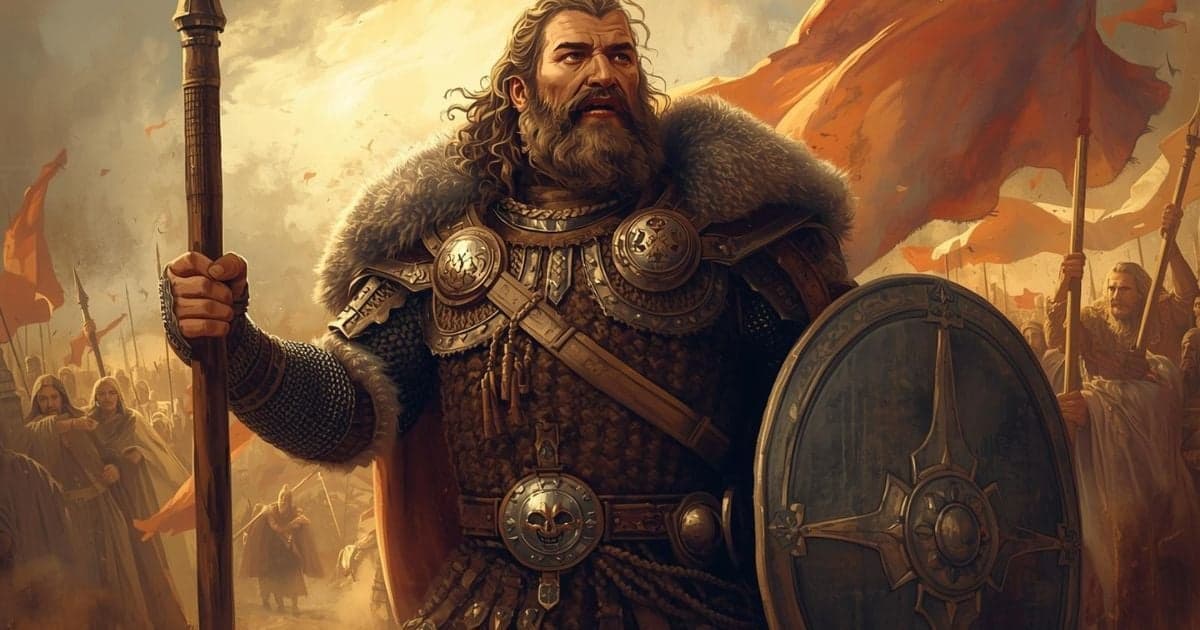
The Return of the Warrior
ARGUMENT. THE RECONCILIATION OF ACHILLES AND AGAMEMNON. Thetis brings to her son the armour made by Vulcan. She preserves the body of his friend from corruption, and commands him to assemble the army, to declare his resentment at an end. Agamemnon and Achilles are solemnly reconciled: the speeches, presents, and ceremonies on that occasion. Achilles is with great difficulty persuaded to refrain from the battle till the troops have refreshed themselves by the advice of Ulysses. The presents are conveyed to the tent of Achilles, where Briseïs laments over the body of Patroclus. The hero obstinately refuses all repast, and…
Public-domain chapter text, formatted for reading.
Master this chapter. Complete your experience
Purchase the complete book to access all chapters and support classic literature
Available in paperback, hardcover, and e-book formats
Now let's explore the literary elements.
Key Quotes & Analysis
"THE RECONCILIATION OF ACHILLES AND AGAMEMNON."
Context: A pivotal line from the opening of the chapter
The formal announcement signals how public recognition transforms private conflicts into community healing. When leaders frame reconciliation as official business, it gives everyone permission to move forward together.
In Today's Words:
When workplace conflicts escalate to HR or when family feuds require formal mediation, the announcement itself becomes part of the solution. Public acknowledgment that reconciliation is happening helps everyone reset their expectations and relationships. Honor cultures still punish the person who reads restraint as weakness until the cost is public.
"Resume thy arms, and shine again in war."
Context: Calling Achilles back to battle after the reconciliation
Agamemnon's invitation reveals how true leadership requires swallowing pride to restore team effectiveness. He focuses on Achilles' value to the mission rather than dwelling on past grievances or demanding further apologies.
In Today's Words:
After a major workplace conflict, the best managers focus on getting their star performer back in action rather than relitigating past mistakes. They emphasize the person's unique contributions and the team's need for their talents. That pressure appears whenever power meets grief and neither side can admit what they have lost.
"For thee, that ever felt another’s woe!"
Context: A pivotal line from the closing third of the chapter
Briseïs honors Patroclus for his compassion toward captives, showing how kindness creates lasting bonds even in brutal circumstances. Her grief reveals that empathy transcends the boundaries between victor and victim.
In Today's Words:
When someone who showed us unexpected kindness during our worst moments dies, we mourn not just their loss but the rare quality of caring they brought to impossible situations. Their compassion becomes their most remembered legacy. Honor cultures still punish the person who reads restraint as weakness until the cost is public.
"her’s woe!” Her sister captives echoed groan for groan, Nor mourn’d Patroclus’ fortunes, but their own"
Context: A pivotal line from the closing third of the chapter
The other captive women join Briseïs in mourning, but their tears are really for their own losses and fears. Shared grief becomes a way to process individual trauma while appearing to honor the dead.
In Today's Words:
At funerals, people often cry for their own losses while appearing to mourn the deceased. Collective grieving gives us permission to process our personal pain in a socially acceptable way, using others' tragedies as outlets for our own. Honor cultures still punish the person who reads restraint as weakness until the cost is public.
Thematic Threads
Identity
In This Chapter
Achilles transforms from grieving friend to divine warrior through ritual armor
Development
Evolution from his earlier identity crisis about honor versus friendship
In Your Life:
You might recognize this when major loss forces you to become someone stronger than you knew you could be.
Personal Growth
In This Chapter
Achilles accepts his fate while choosing to act, showing mature courage
Development
Progression from his childish rage to adult acceptance of consequences
In Your Life:
You see this when you stop fighting reality and start working with it instead.
Human Relationships
In This Chapter
Public reconciliation between Achilles and Agamemnon heals the community
Development
Resolution of the central conflict that has driven the entire war narrative
In Your Life:
You experience this when swallowing pride to repair important relationships becomes worth it.
Class
In This Chapter
Agamemnon's public apology and gift-giving acknowledges social obligations
Development
Continuation of how power structures require public face-saving rituals
In Your Life:
You see this when workplace conflicts require formal procedures even when everyone knows what really happened.
Social Expectations
In This Chapter
Ulysses insists on proper procedures—eating before battle, formal reconciliation
Development
Reinforcement of how ritual and protocol serve psychological and social functions
In Your Life:
You recognize this when following proper steps, even when you want to skip ahead, actually makes things work better.
You now have the context. Time to form your own thoughts.
Discussion Questions
This is not a test. Five prompts guide you through the chapter, from how it opens to how it closes, so you notice context and rhythm rather than facts to memorize. Sit with each question in your own words. When you see "One way to read it," treat it as a starting point, not the only answer.
- 1
What does Agamemnon offer Achilles during the reconciliation?
analysis • surfaceOne way to read it
A public apology, restored gifts, and the return of Briseis along with other compensation.
- 2
Why does Ulysses insist the army eat before fighting?
analysis • mediumOne way to read it
He knows exhausted, grieving soldiers need basic restoration before they can face another assault.
- 3
What finally moves Achilles back toward battle?
application • mediumOne way to read it
Patroclus' death, divine armor, and the need to avenge his friend outweigh the old quarrel with Agamemnon.
- 4
Where have you seen a team repair just enough to face a bigger problem together?
application • deepOne way to read it
Strong answers describe apologies, reset meetings, or rituals that reopened cooperation without pretending the harm never happened.
- 5
What does this chapter suggest about the difference between apology and full repair?
reflection • deepOne way to read it
Words and gifts can reopen alliance, but the true cost of the quarrel has already been paid in lives and time.
Critical Thinking Exercise
Design Your Transformation Ritual
Think of a current challenge or past loss in your life. Map out a specific ritual that could help you transform that pain into purposeful action. Include physical actions, symbolic elements, and practical next steps. Consider how Achilles used armor, ceremony, and public commitment to channel his grief.
Consider:
- •What physical actions or preparations might symbolize your transformation?
- •Who needs to witness or participate in your ritual for it to feel complete?
- •What practical first step would honor your loss while moving you forward?
Journaling Prompt
Write about a time when you successfully transformed a painful experience into something that made you stronger or more focused. What was your process, even if you didn't call it a ritual at the time?
Coming Up Next...
Chapter 20: When Gods Choose Sides
Now fully armed and reconciled with his allies, Achilles finally enters battle with supernatural fury. The long-awaited confrontation between the greatest Greek warrior and the Trojan forces begins, as Achilles seeks to fulfill his promise of vengeance for Patroclus.