Chapter 03
The Cost of Playing the Game
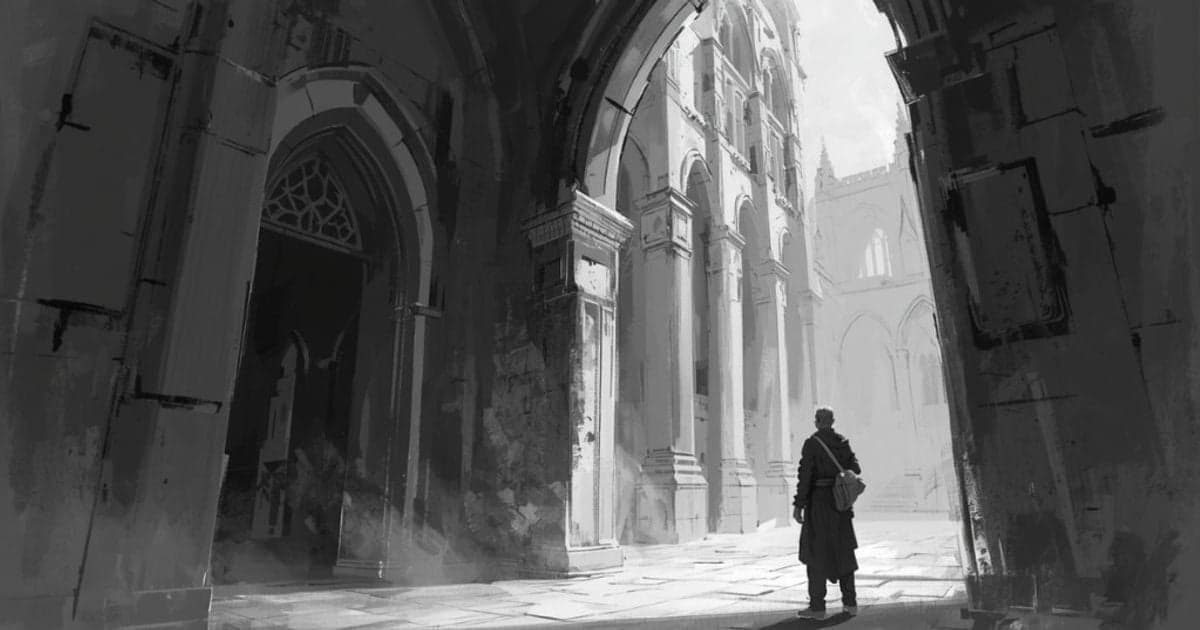
Book I, Chapter 3 Bridge at Bellomont usually lasted till the small hours; and when Lily went to bed that night she had played too long for her own good. Feeling no desire for the self-communion which awaited her in her room, she lingered on the broad stairway, looking down into the hall below, where the last card-players were grouped about the tray of tall glasses and silver-collared decanters which the butler had just placed on a low table near the fire. The hall was arcaded, with a gallery supported on columns of pale yellow marble. Tall clumps of flowering…
Public-domain chapter text, formatted for reading.
Master this chapter. Complete your experience
Purchase the complete book to access all chapters and support classic literature
Available in paperback, hardcover, and e-book formats
Now let's explore the literary elements.
Key Quotes & Analysis
"Book I, Chapter 3 Bridge at Bellomont usually lasted till the small hours; and when Lily went to bed that night she had played too long for her own good."
Context: From The Cost of Playing the Game
This line shows how Gilded Age society turns manners and money into a system of control.
In Today's Words:
At the party, the office, or the group chat everyone watches, This line shows how Gilded Age society turns manners and money into a system of control. Notice whether you are protecting yourself or only protecting the illusion. Ask whether you are protecting yourself or only managing someone else's anxiety about appearances.
"Feeling no desire for the self-communion which awaited her in her room, she lingered on the broad stairway, looking down into the hall below, where the last card-players were grouped about the tray of tall glasses and silver-collared decanters which the butler had just placed on a low table near the fire."
Context: From The Cost of Playing the Game
This line shows how Gilded Age society turns manners and money into a system of control.
In Today's Words:
When easy money arrives with strings you were told not to ask about, This line shows how Gilded Age society turns manners and money into a system of control. Wharton shows how that pressure still shapes modern performance culture. Ask whether you are protecting yourself or only managing someone else's anxiety about appearances.
"The hall was arcaded, with a gallery supported on columns of pale yellow marble."
Context: From The Cost of Playing the Game
This line shows how Gilded Age society turns manners and money into a system of control.
In Today's Words:
In a world where appearance is treated as collateral, This line shows how Gilded Age society turns manners and money into a system of control. That is the trap Lily keeps mistaking for a temporary setback. Ask whether you are protecting yourself or only managing someone else's anxiety about appearances.
"Tall clumps of flowering plants were grouped against a background of dark foliage in the angles of the walls."
Context: From The Cost of Playing the Game
This line shows how Gilded Age society turns manners and money into a system of control.
In Today's Words:
When your rent, status, or future depends on being liked, This line shows how Gilded Age society turns manners and money into a system of control. Security bought through self-erasure can cost more than the scandal you fear. Ask whether you are protecting yourself or only managing someone else's anxiety about appearances.
Thematic Threads
Class Anxiety
In This Chapter
Lily's terror of honest work stems from her mother's teachings that poverty equals shame and that maintaining appearances is survival
Development
Deepened from earlier hints—now we see the psychological roots of Lily's financial desperation
In Your Life:
You might recognize this in your own resistance to asking for help or accepting 'lesser' positions when struggling
Inherited Trauma
In This Chapter
Mrs. Bart's obsession with social climbing and financial anxiety becomes Lily's internal programming, driving her choices decades later
Development
Introduced here as the foundational explanation for Lily's behavior patterns
In Your Life:
You might hear your parents' voices in your head during major decisions, especially about money or status
False Pride
In This Chapter
Lily's pride prevents her from taking work that could actually free her, keeping her dependent on others' charity and manipulation
Development
Evolved from earlier chapters where pride seemed protective—now revealed as destructive
In Your Life:
You might find yourself refusing help or opportunities because they don't match your self-image
Time Pressure
In This Chapter
At twenty-nine, Lily feels the brutal mathematics of aging out of marriageability while watching younger women succeed
Development
Introduced here as a new source of desperation
In Your Life:
You might feel this pressure in career changes, relationships, or major life transitions where age feels like a closing door
Appearance vs Reality
In This Chapter
Lily must maintain the facade of wealth and leisure while privately calculating every dollar and facing mounting debt
Development
Continued from earlier chapters but now shown as a learned family pattern
In Your Life:
You might recognize this in social media personas, work presentations, or family gatherings where you perform success you don't feel
You now have the context. Time to form your own thoughts.
Discussion Questions
This is not a test. Five prompts guide you through the chapter, from how it opens to how it closes, so you notice context and rhythm rather than facts to memorize. Sit with each question in your own words. When you see "One way to read it," treat it as a starting point, not the only answer.
- 1
What does the opening of The Cost of Playing the Game reveal when Lily faces the brutal mathematics of her situation after losing...?
analysis • surfaceOne way to read it
Wharton opens by showing Lily faces the brutal mathematics of her situation after losing $300 at cards, money... before the social and financial consequences fully surface.
- 2
Why does the middle of The Cost of Playing the Game turn on Her mother, Mrs.?
analysis • mediumOne way to read it
The chapter escalates when Her mother, Mrs., exposing how Gilded Age New York polices women through reputation.
- 3
Where do you see the inherited shame trap in modern workplaces, dating, or social media?
application • mediumOne way to read it
One reading: the same pattern appears when people must perform success while their real options shrink.
- 4
How would you respond if you were in Lily Bart's position during The chapter reveals how family attitudes about money and social...?
application • deepOne way to read it
A practical response is to name what you need, then act before gossip rewrites the story for you.
- 5
What does The Cost of Playing the Game suggest about the cost of choosing integrity when security is running out?
reflection • deepOne way to read it
It suggests that peace bought through self-betrayal can cost more than the ruin you fear.
Critical Thinking Exercise
Identify Your Inherited Voices
Think about a recent decision you struggled with—maybe about money, relationships, or career. Write down the advice or warnings your family would give about this situation. Then identify which voice is actually yours versus inherited programming. What would you choose if you could silence the inherited voices completely?
Consider:
- •Family survival strategies that worked for them might not work for you
- •Shame-based messages often sound like absolute truths but are actually just one perspective
- •Your parents' fears were real for their situation but may not apply to yours
Journaling Prompt
Write about a time when following family programming led you into a situation that felt wrong for you. What would you do differently now that you can recognize whose voice was really making the decision?
Coming Up Next...
Chapter 4: The Gryce Courtship at Bellomont
In chapter 4, Lily Bart moves deeper into the consequences of this evening: another social test, another private doubt, and another chance to choose truth or performance.