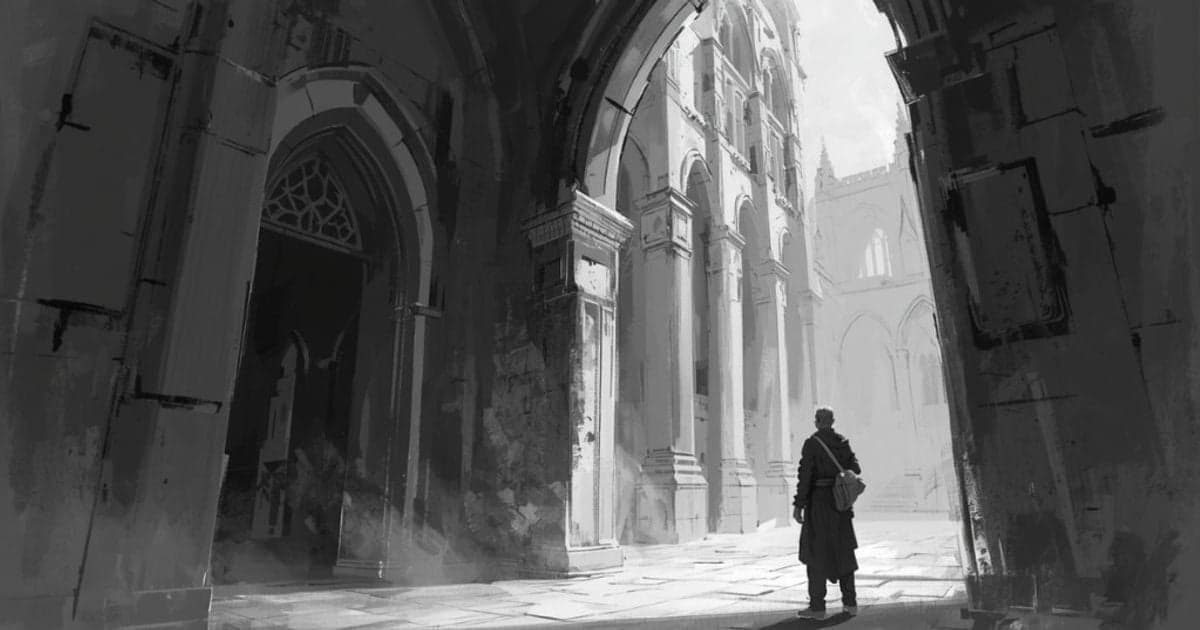
Lily wakes in Gerty's narrow bed, embarrassed by last night's clothes heaped like party leftovers. Gerty has already telephoned Mrs. Peniston a polite fiction about faintness. Lily returns home, lies smoothly to her aunt, and then, alone, counts what she owes Trenor: nine thousand dollars she cannot repay.
She asks Mrs. Peniston for help, confessing to gambling debts while hiding Trenor's role. Aunt Julia refuses. Paying card losses, she says, would reward disgrace. She offers only to settle a dressmaker bill, not to rescue Lily's name or buy back her peace of mind.
Crushed, Lily still hopes Selden will come at four as planned. She imagines his love as temporary shelter while she repairs the damage. Rosedale arrives instead, sprawling by the tea table with a business proposal: marry him, and he will clear her troubles. He knows more than he should and names her vulnerabilities without pity or poetry.
Lily stalls, neither accepting nor refusing, buying hours she does not have. When five o'clock passes without Selden, she reads in the evening paper that he has sailed for Havana. The abandonment is quiet and total. He fled rather than face her or himself, and the note she wrote sits useless on the table.
That night she begins a note to Rosedale, then stops. A telegram arrives from Bertha Dorset inviting her on a Mediterranean cruise. The chapter ends with Lily between two doors: a marriage that feels like sale, and an adventure with a woman who has already harmed her. Daylight has not brought rescue. It has shown her the price of dignity when you have no money of your own, and how fast a city can close every exit that once looked like freedom. She is still beautiful, still clever, and for the first time those gifts feel like tools with no workshop left to use them in. The telegram glows like a life raft and a trap at once, and she has no one left to ask which it is.