Chapter 40
The Duel and the Confession
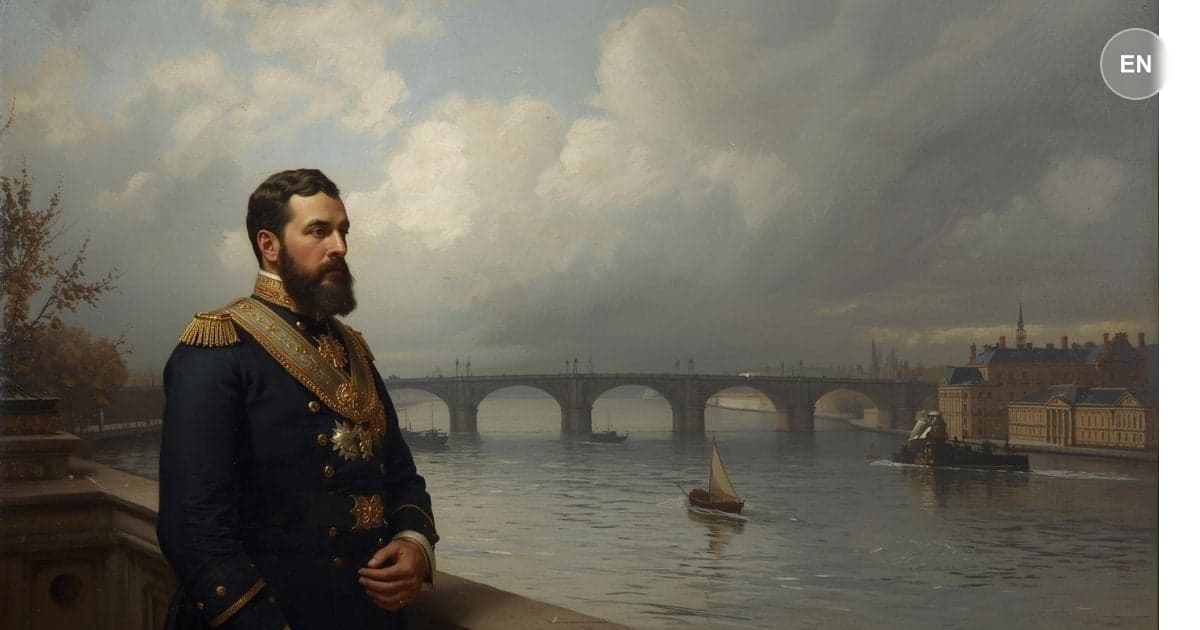
The Duel (c) Recollections of Father Zossima’s Youth before he became a Monk. The Duel I spent a long time, almost eight years, in the military cadet school at Petersburg, and in the novelty of my surroundings there, many of my childish impressions grew dimmer, though I forgot nothing. I picked up so many new habits and opinions that I was transformed into a cruel, absurd, almost savage creature. A surface polish of courtesy and society manners I did acquire together with the French language. But we all, myself included, looked upon the soldiers in our service as cattle. I…
Public-domain chapter text, formatted for reading.
Master this chapter. Complete your experience
Purchase the complete book to access all chapters and support classic literature
Available in paperback, hardcover, and e-book formats
Now let's explore the literary elements.
Key Quotes & Analysis
"But we all, myself included, looked upon the soldiers in our service as cattle."
Context: Recalling his mindset as a young officer before the duel
Institutional rank taught decent boys to see subordinates as property. Zossima names the habit without excusing it, which is why his later repentance carries weight instead of performance.
In Today's Words:
We treated the people under our command like they were livestock, and I was one of the worst because I felt everything harder. When a team lead talks about staff as numbers or bodies, the same dehumanizing reflex is running: power makes cruelty feel normal until someone breaks the spell and admits what they did.
"After all what am I worth, that another man, a fellow creature, made in the likeness and image of God, should serve me?"
Context: Morning after beating Afanasy, before the duel
The duel was not the first sin; the beating was. Once Zossima feels equal dignity in the man he struck, killing a rival for pride becomes unthinkable and apology becomes possible.
In Today's Words:
What gives me the right to have another human being fetch my boots while I slap him in the face? That question is what stops revenge cold. In any workplace or family where someone with authority finally asks it out loud, the whole moral temperature in the room can shift in a single hour.
"Gentlemen,” I cried suddenly, speaking straight from my heart, “look around you at the gifts of God, the clear sky, the pure air, the tender grass, the birds; nature is beautiful and sinless, and we, only we, are sinful and foolish, and we don’t understand that life is heaven, for we have only to understand that and it will at once be fulfilled in all its beauty, we shall embrace each other and weep."
Context: At the duel, refusing to fire after his opponent's shot
He converts a ritual of honor into public truth-telling. The seconds want regiment pride; he offers repentance that sounds insane until it reshapes everyone who witnesses it.
In Today's Words:
He stood in front of pistols and told them the world was already good and they were the ones wrecking it with pride. That is not poetry for a crowd; it is a man choosing humiliation over murder. You see the same shock when someone drops a grievance in public and names their own pettiness first.
"You know what I came back for? I came to kill you!”"
Context: On his deathbed, explaining his midnight return after Zossima urged confession
Confession does not guarantee safety. The visitor almost murdered the one man who loved him enough to demand truth, because shame can turn outward into rage before it turns into peace.
In Today's Words:
He admitted that on the way to tell the truth he almost killed the friend who pushed him toward it, because being known felt worse than hiding. When you urge someone toward accountability, remember that your righteousness can feel like a weapon to them until their own conscience finally wins.
Thematic Threads
Pride
In This Chapter
Zossima's pride as a young officer makes him cruel and blind to others' humanity, until shame breaks it open
Development
Continuing the exploration of how pride destroys relationships and moral clarity
In Your Life:
Notice when your ego makes you double down on bad behavior instead of admitting you're wrong
Class
In This Chapter
The officer class treats servants as less than human, with Zossima beating Afanasy like an animal
Development
Deepening the theme of how social hierarchy corrupts human connection
In Your Life:
Watch how power differences at work or home can make you treat others as less important than yourself
Accountability
In This Chapter
Both Zossima and his visitor choose confession and public shame over comfortable lies
Development
Introduced here as the path to redemption and authentic connection
In Your Life:
Consider where you're avoiding taking responsibility because the truth would be embarrassing or costly
Identity
In This Chapter
Both men must choose between their public reputation and their authentic moral identity
Development
Building on earlier themes of who we really are versus who we pretend to be
In Your Life:
Notice the gap between the person others think you are and the person you know yourself to be
Transformation
In This Chapter
Sudden, dramatic moral awakening that completely changes life direction and relationships
Development
Introduced here as possible through facing truth about oneself
In Your Life:
Recognize that real change often feels dramatic and uncomfortable, not gradual and easy
You now have the context. Time to form your own thoughts.
Discussion Questions
This is not a test. Five prompts guide you through the chapter, from how it opens to how it closes, so you notice context and rhythm rather than facts to memorize. Sit with each question in your own words. When you see "One way to read it," treat it as a starting point, not the only answer.
- 1
Why does Zossima beat Afanasy the night before the duel, and what changes at dawn?
analysis • surfaceOne way to read it
Wounded vanity over a lost girl drove young Zossima to insult her husband and force a duel he knew was absurd. The night before he beat his orderly Afanasy with savage cruelty. At dawn birdsong and memory of dying brother Markel ask why servants should love him; he runs back, begs forgiveness, and bows to the floor in full uniform.
- 2
What does Zossima do at the duel instead of firing, and how do the seconds and regiment respond?
analysis • mediumOne way to read it
He lets his opponent's shot graze his cheek, flings his own pistol into the trees, and refuses to kill for wounded pride. The seconds and regiment respond to courage that breaks the code of honor. His act turns absurd violence into public repentance.
- 3
Why does the mysterious visitor say Zossima's duel helped him decide to confess a fourteen-year-old murder?
application • mediumOne way to read it
The visitor tells Zossima that seeing a man refuse the duel's logic and bow to his servant helped him decide to confess a murder hidden fourteen years. One man's shame spoken aloud becomes permission for another's. Courage ripples beyond the original scene.
- 4
Why does society call the visitor insane after his birthday declaration, and why does Zossima rejoice anyway?
application • deepOne way to read it
On his birthday the visitor publicly confesses the old murder; society calls him insane to dismiss the truth. Zossima rejoices because shame spoken aloud can chain into someone else's freedom. Public repentance threatens comfort; the elder honors the act regardless of reputation.
- 5
When has someone's public apology made you more honest, or more defensive?
reflection • deepOne way to read it
Zossima's duel and the visitor's confession model shame that stays private rotting while shame spoken aloud frees others. Hearing raw apology can loosen your own denials or tighten your armor if it exposes shared hypocrisy. The response reveals whether you want freedom or safety.
Critical Thinking Exercise
Map Your Courage Ripples
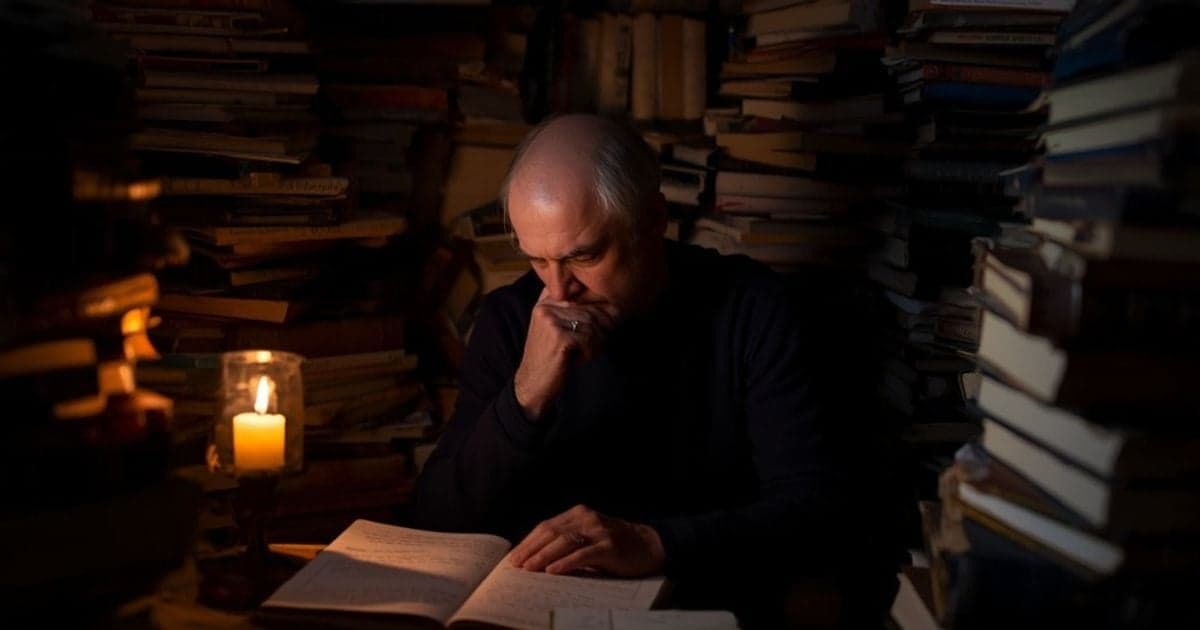
Think of a time when you admitted a mistake or showed vulnerability in front of others. Draw a simple map showing who was present and how they responded. Then trace any ripple effects - did anyone else open up afterward, either immediately or later? If you can't think of a personal example, observe this pattern in your workplace, family, or friend group over the next week.
Consider:
- •Notice how people's body language changes when someone admits fault honestly
- •Consider why it's often easier to confess to strangers than to people close to us
- •Think about the difference between admitting mistakes to get forgiveness versus admitting them to clear your conscience
Journaling Prompt
Write about a mistake or character flaw you've been hiding. What would happen if you admitted it to one safe person? What's the worst realistic outcome, and what's the best possible outcome?
Coming Up Next...
Chapter 41: The Monk's Vision of True Freedom
Father Zossima's final teachings reveal his deepest insights about love, suffering, and the mysterious connections between all souls. His last conversations will challenge everything the brothers—and readers—think they know about guilt, responsibility, and redemption.