Chapter 23
Power Lunches and Life Traps
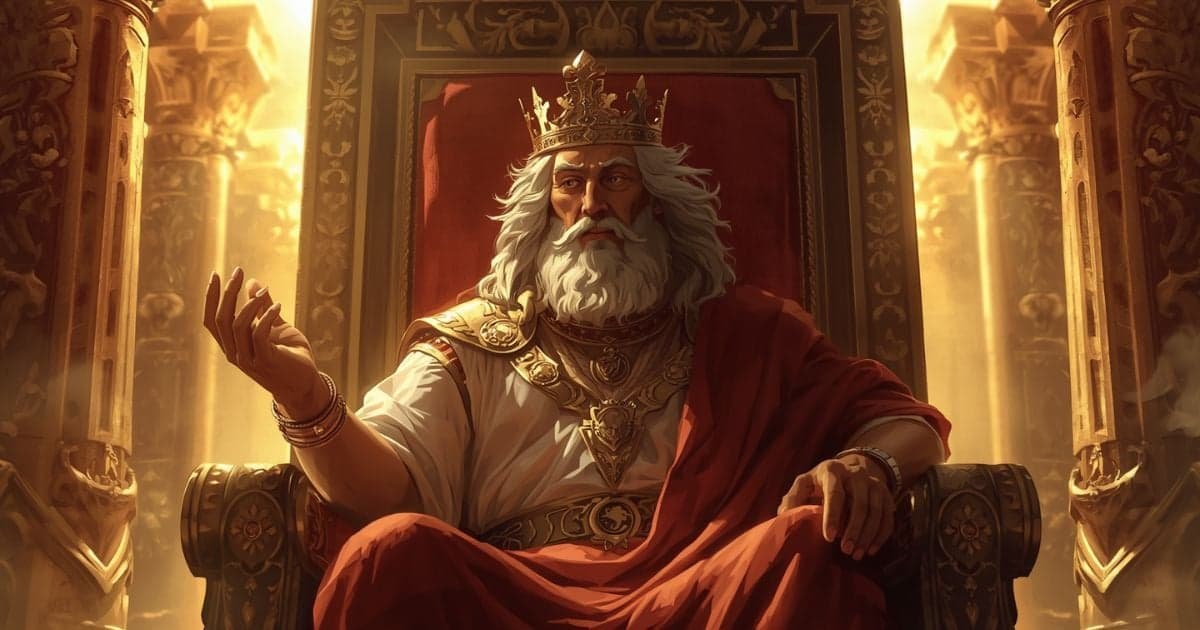
When thou sittest to eat with a ruler, consider diligently what is before thee: And put a knife to thy throat, if thou be a man given to appetite. Be not desirous of his dainties: for they are deceitful meat. Labour not to be rich: cease from thine own wisdom. Wilt thou set thine eyes upon that which is not? for riches certainly make themselves wings; they fly away as an eagle toward heaven. Eat thou not the bread of him that hath an evil eye, neither desire thou his dainty meats: For as he thinketh in his heart, so…
Public-domain chapter text, formatted for reading.
Master this chapter. Complete your experience
Purchase the complete book to access all chapters and support classic literature
Available in paperback, hardcover, and e-book formats
Now let's explore the literary elements.
Key Quotes & Analysis
"put a knife to thy throat, if thou be a man given to appetite."
Context: Self-restraint at a ruler's table
Appetite must be guarded brutally.
In Today's Words:
Solomon tells the guest to put a knife to his throat if he is given to appetite. Powerful hosts use pleasure to soften resistance before they ask for loyalty. At the next free dinner or junket, eat slowly and ask what favor will be priced into the dessert.
"riches certainly make themselves wings; they fly away as an eagle toward heaven."
Context: Wealth's instability
Chased money departs suddenly.
In Today's Words:
Solomon says riches make themselves wings and fly away like an eagle toward heaven. Fortunes built on hype, leverage, or luck can vanish faster than they arrived. Do not mortgage your character for income you cannot hold when the market turns. Notice the same pattern this week before you commit to a choice that will
"Buy the truth, and sell it not; also wisdom, and instruction, and understanding."
Context: Integrity as purchased asset
Truth costs and must be retained.
In Today's Words:
Solomon commands buying truth and refusing to sell it. Honesty costs promotions, friendships, and comfort, but auctioning it buys cheaper peace you will hate. Decide in advance what you will not lie about, before someone offers to make it profitable. Notice the same pattern this week before you commit to a choice that will be
"My son, give me thine heart, and let thine eyes observe my ways."
Context: Parental call for wholehearted attention
Wisdom requires oriented loyalty.
In Today's Words:
Solomon pleads, my son, give me your heart. Instruction fails when attention is split between flattery, fear, and screens. Before seeking more advice, ask whether you are actually willing to act on what you already know is true. Notice the same pattern this week before you commit to a choice that will be hard to
Thematic Threads
Power Dynamics
In This Chapter
Solomon warns about dining with rulers who use hospitality to create obligation and test loyalty
Development
Builds on earlier themes about navigating authority figures and social hierarchy
In Your Life:
You see this when managers, wealthy relatives, or potential romantic partners use generosity to create unspoken debts
Self-Control
In This Chapter
The 'knife to thy throat' metaphor emphasizes restraint when others control the resources
Development
Expands previous discussions of discipline to include social situations with hidden costs
In Your Life:
You need this when someone offers you more than you can reciprocate, from free drinks to expensive gifts
Wealth Illusion
In This Chapter
Money 'makes wings' and flies away like eagles—wealth appears more permanent than it actually is
Development
Deepens earlier warnings about pursuing riches over wisdom
In Your Life:
You experience this when job security, investments, or financial windfalls disappear faster than expected
Addiction Cycles
In This Chapter
Vivid description of alcoholism's self-destruction and the brain's demand for 'more'
Development
Introduced here as a specific example of wisdom versus destructive patterns
In Your Life:
You recognize this in any compulsive behavior where the temporary relief creates long-term problems
Family Legacy
In This Chapter
Wisdom passes between generations through teaching and example, building lasting value
Development
Continues themes about relationships and responsibility to others
In Your Life:
You create this when you choose to model good decision-making for children, younger coworkers, or community members
You now have the context. Time to form your own thoughts.
Discussion Questions
This is not a test. Five prompts guide you through the chapter, from how it opens to how it closes, so you notice context and rhythm rather than facts to memorize. Sit with each question in your own words. When you see "One way to read it," treat it as a starting point, not the only answer.
- 1
Why should a guest put a knife to his throat when dining with a ruler?
analysis • surfaceOne way to read it
Extreme self-restraint prevents appetite from signing obligations disguised as hospitality.
- 2
What does it mean that riches make themselves wings and fly away?
analysis • mediumOne way to read it
Wealth pursued as identity is unstable and leaves without warning.
- 3
Why command buying truth and not selling it?
application • mediumOne way to read it
Integrity must be purchased through cost and protected from convenience.
- 4
How does giving the heart to parents relate to wisdom teaching?
application • deepOne way to read it
Attention and loyalty must be oriented before instruction can land.
- 5
When have you traded appetite or flattery for access you later regretted?
reflection • deepOne way to read it
Name the warning sign you ignored and one boundary you will use before the next invitation.
Critical Thinking Exercise
Map the Hidden Hooks in Your Life
Think about the last month and identify three situations where someone offered you something valuable - a favor, a gift, an opportunity, or special treatment. For each situation, analyze what the person might have wanted in return, even if they didn't say it directly. Consider whether you felt obligated afterward or if strings became attached later.
Consider:
- •Not every generous act has hidden motives - some people are genuinely kind without expecting anything back
- •The key is recognizing when generosity feels calculated or when you sense an unspoken expectation
- •Pay attention to power imbalances - when someone has more resources, authority, or influence than you do
Journaling Prompt
Write about a time when you accepted something that seemed free but later realized came with hidden expectations. How did you handle it, and what would you do differently now?
Coming Up Next...
Chapter 24: Building Wisdom, Avoiding Fools
Next, Solomon warns against envying violent men, describes wisdom building a house, and insists you rescue those drawn toward death when you have power to intervene.