Chapter 19
The Prophet
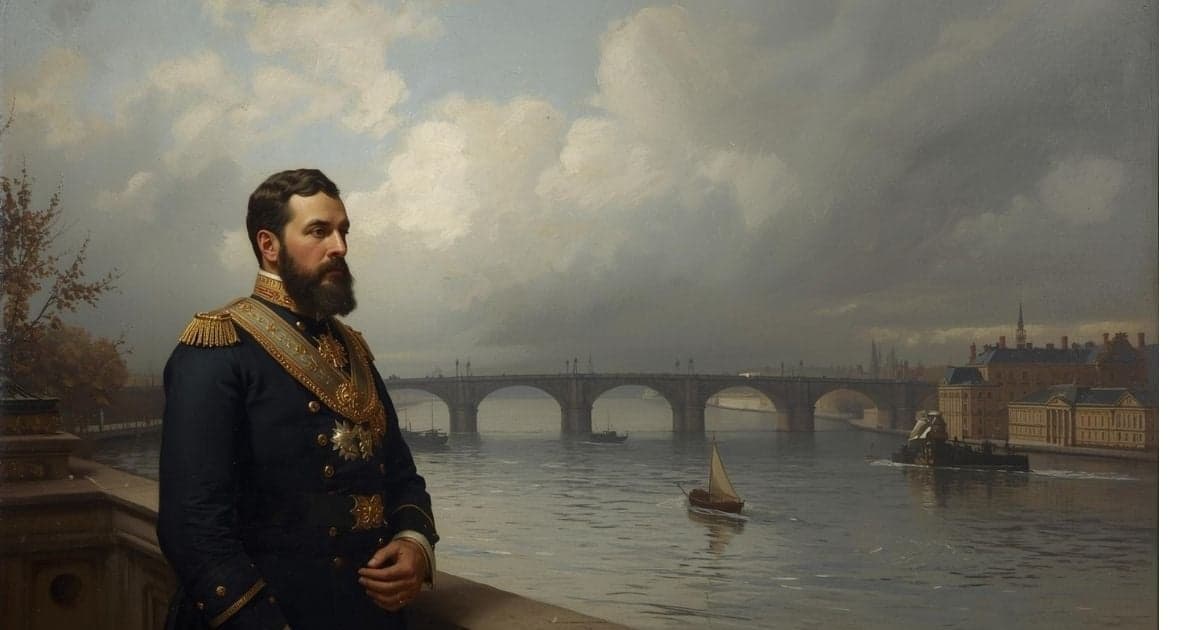
The Prophet. “Shipmates, have ye shipped in that ship?” Queequeg and I had just left the Pequod, and were sauntering away from the water, for the moment each occupied with his own thoughts, when the above words were put to us by a stranger, who, pausing before us, levelled his massive forefinger at the vessel in question. He was but shabbily apparelled in faded jacket and patched trowsers; a rag of a black handkerchief investing his neck. A confluent small-pox had in all directions flowed over his face, and left it like the complicated ribbed bed of a torrent, when…
Public-domain chapter text, formatted for reading.
Master this chapter. Complete your experience
Purchase the complete book to access all chapters and support classic literature
Available in paperback, hardcover, and e-book formats
Now let's explore the literary elements.
Key Quotes & Analysis
"Shipmates, have ye shipped in that ship?”"
Context: First address as Ishmael and Queequeg leave the Pequod
He knows they shipped before they explain. The finger fixes the ship as target.
In Today's Words:
Elijah opens by asking if you already signed with that vessel, which tells you he is not making casual small talk. He is checking whether you are legally bound to the Pequod before he spends another word on souls, Ahab, or what cannot be unsigned.
"A soul’s a sort of a fifth wheel to a wagon.” “"
Context: After asking if the articles mention souls
Mockery that shifts to Ahab carrying all the soul on board.
In Today's Words:
Elijah jokes that many sailors are better off without souls, like a spare part you never use. Then he pivots to Ahab, implying the captain hoards the soul on that ship and the crew will pay for whatever he is carrying below decks. That is the turn that chills.
"Step and growl; growl and go—that’s the word with Captain Ahab."
Context: Listing what Peleg did not tell Ishmael about Ahab
Rhythmic command style previews Ahab's bridge manner.
In Today's Words:
Elijah says Ahab expects instant obedience: step and growl, growl and go. It is his way of telling Ishmael the captain is not a kindly Peleg type but a man who wants the crew moving on sound alone, without time to think or argue back.
"what’s signed, is signed; and what’s to be, will be; and then again, perhaps it won’t be, after all."
Context: After Ishmael claims to know all about the lost leg
Resignation once papers are signed; fate language without detail.
In Today's Words:
Elijah stares at the Pequod and says what is signed is signed and what will be will be, then pities the crew and walks off without explaining. He treats the contract as the real lock, not your curiosity, which is why he blesses you and still will not plain-speak.
Thematic Threads
Prophetic Naming
In This Chapter
Elijah, Old Thunder, Tistig prophecy recalled at end
Development
First street prophet after Peleg's indoor Ahab pitch
In Your Life:
When a warning voice echoes a name you already half feared
Signed Fate
In This Chapter
Articles signed; what's signed is signed; too late to plain-speak
Development
Follows Ch. 16-18 contracting
In Your Life:
Learning bad news after the deposit clears
Hidden Ahab Lore
In This Chapter
Cape Horn fit, Spaniard altar, calabash, leg prophecy
Development
Expands Peleg's devoured-leg story with rumor Ishmael lacks
In Your Life:
Boss legends that HR never put in the packet
Humbug and Tail
In This Chapter
Dismiss prophet, see him follow, cross street test, dread remains
Development
Ishmael's reason versus body fear before sailing
In Your Life:
Calling someone crazy while checking if they are still behind you
You now have the context. Time to form your own thoughts.
Discussion Questions
This is not a test. Five prompts guide you through the chapter, from how it opens to how it closes, so you notice context and rhythm rather than facts to memorize. Sit with each question in your own words. When you see "One way to read it," treat it as a starting point, not the only answer.
- 1
What does Elijah ask about the moment Ishmael confirms they signed?
analysis • surfaceOne way to read it
Whether anything in the articles mentions their souls, then whether they have seen Old Thunder, Captain Ahab.
- 2
What does Elijah say about Ahab that Ishmael claims Peleg already told?
analysis • mediumOne way to read it
The lost leg and parmaceti; Ishmael says he knows all about that, but Elijah hints there is more than all.
- 3
When have you heard a warning right after you could not easily back out?
application • mediumOne way to read it
Like Elijah after the articles, many warnings land once lease or offer is signed and dismissal becomes cheaper than undoing.
- 4
Why does Ishmael cross the street to test whether Elijah is following?
application • deepOne way to read it
He wants to know if the prophet is dogging them; when Elijah passes on, Ishmael feels relief but keeps half-apprehensions.
- 5
Why call Elijah humbug while listing Ahab shadows at chapter's end?
reflection • deepOne way to read it
Ishmael's reason rejects the prophet but his mind links Pequod, leg, Cape Horn fit, calabash, Tistig, and the bound voyage anyway.
Critical Thinking Exercise
After the Signature
Recall a commitment you made (job, lease, trip) and a warning that came right after. Write what you dismissed, what detail stuck, and whether you tested it like Ishmael testing the tail.
Consider:
- •Was the warner vague or oddly specific?
- •Did you need them to be crazy?
- •What would undoing the deal have cost?
Journaling Prompt
Write about a time your body stayed uneasy after your mouth called someone a humbug.
Coming Up Next...
Chapter 20: All Astir
Warnings or no, the Pequod is fitting out. Ishmael and Queequeg return to find the ship astir with work, stores, and sailors moving toward a sailing day they can no longer undo Aboard the Pequod, sails mended, stores piled, and Peleg and Bildad run opposite sides of the frenzy while the crew learns that whaling notices sound urgent and mean nothing for days. Ishmael.