Chapter 28
Mutiny and Strange New Creatures
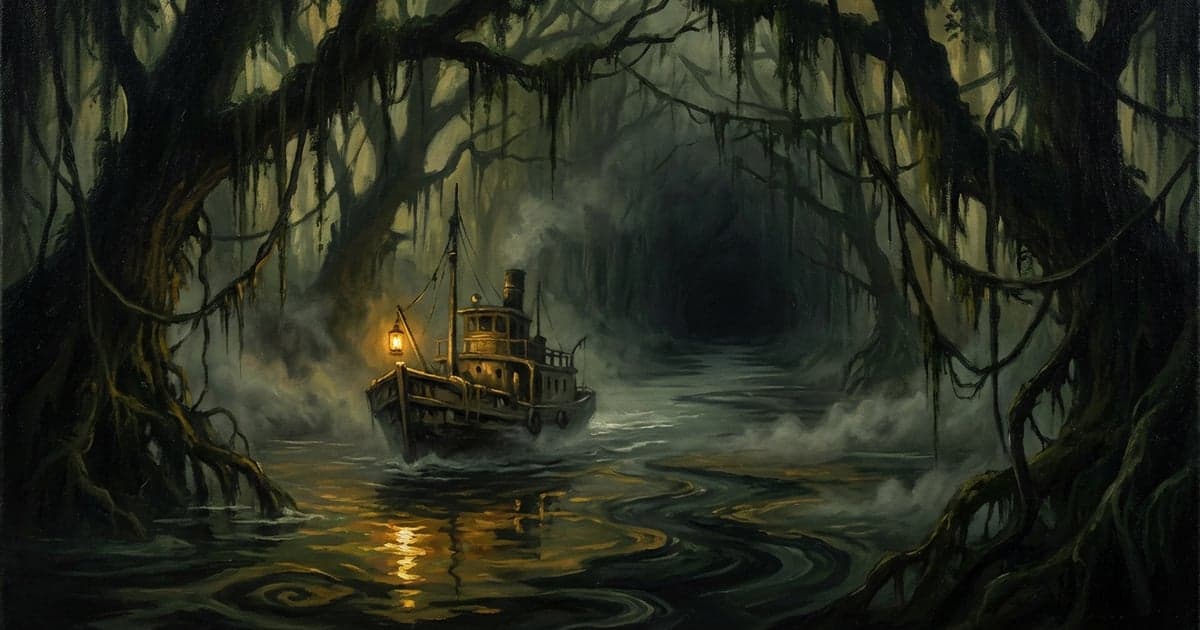
The author sets out as captain of a ship. His men conspire against him, confine him a long time to his cabin, and set him on shore in an unknown land. He travels up into the country. The Yahoos, a strange sort of animal, described. The author meets two Houyhnhnms. I continued at home with my wife and children about five months in a very happy condition, if I could have learned the lesson of knowing when I was well. I left my poor wife big with child, and accepted an advantageous offer made me to be captain of the…
Public-domain chapter text, formatted for reading.
Master this chapter. Complete your experience
Purchase the complete book to access all chapters and support classic literature
Available in paperback, hardcover, and e-book formats
Now let's explore the literary elements.
Key Quotes & Analysis
"I continued at home with my wife and children about five months in a very happy condition, if I could have learned the lesson of knowing when I was well."
Context: Before he accepts the captaincy that leads to mutiny
The opening trap: contentment was available, but restlessness and ambition override the lesson.
In Today's Words:
I was happy at home for five months, if only I had known to stop while things were good. The same pressure appears whenever you walk into a room that already decided the rules before you arrived, and your size or status does not matter until you learn who controls the floor.
"These rogues, whom I had picked up, debauched my other men, and they all formed a conspiracy to seize the ship, and secure me; which they did one morning, rushing into my cabin, and binding me hand and foot, threatening to throw me overboard, if I offered to stir."
Context: The Barbados recruits turn on him after he ignored the warning signs
The middle reckoning: warnings he filtered out become chains, threats, and lost command.
In Today's Words:
The bad hires I brought on corrupted the rest of the crew and seized the ship, binding me in my cabin. The same pressure appears whenever you walk into a room that already decided the rules before you arrived, and your size or status does not matter until you learn who controls the floor.
"After some further discourse, which I then conjectured might relate to me, the two friends took their leaves, with the same compliment of striking each other’s hoof; and the gray made me signs that I should walk before him; wherein I thought it prudent to comply, till I could find a better director."
Context: After learning Yahoo and Houyhnhnm, the gray horse takes charge of him
The closing shift: stripped of rank, he follows a horse whose authority already feels more legitimate than his own.
In Today's Words:
When the horses finished talking, the gray one signaled me to walk ahead of him, and I obeyed. The same pressure appears whenever you walk into a room that already decided the rules before you arrived, and your size or status does not matter until you learn who controls the floor.
"had killed or maimed any of their cattle."
Context: A line from this chapter that sharpens the central conflict
The sentence anchors the scene in Gulliver's own voice rather than in later commentary, which is why it still reads as evidence instead of opinion.
In Today's Words:
Gulliver names what happened in terms you can picture: who acted, what they controlled, and what choice he no longer had. The same pressure appears whenever you walk into a room that already decided the rules before you arrived, and your size or status does not matter until you learn who controls the floor.
Thematic Threads
Warning Signs
In This Chapter
Gulliver hires crew members from Barbados with criminal backgrounds despite obvious risks
Development
Introduced here as a new theme about recognizing and heeding danger signals
In Your Life:
You might dismiss red flags about a new relationship, job, or major purchase because you want it to work out.
Vulnerability
In This Chapter
Gulliver finds himself completely powerless, chained and abandoned by those he trusted
Development
Builds on earlier themes of powerlessness, but now shows how poor judgment creates vulnerability
In Your Life:
Your biggest vulnerabilities often come from the people and situations you choose to trust.
First Impressions
In This Chapter
Gulliver immediately judges the Yahoos as disgusting and the Houyhnhnms as noble based on appearance
Development
Continues pattern from earlier voyages where surface judgments prove problematic
In Your Life:
You might instantly categorize people as 'good' or 'bad' based on how they look or act initially.
Civilization
In This Chapter
The chapter sets up a confrontation between what appears civilized versus what actually is civilized
Development
New theme that will challenge everything Gulliver believes about human superiority
In Your Life:
You might assume that formal education, nice clothes, or proper speech always indicate good character.
Identity Crisis
In This Chapter
Gulliver begins questioning his own nature when examined by the rational horses
Development
Builds on identity themes from previous voyages but with deeper psychological implications
In Your Life:
You might question who you really are when placed in completely unfamiliar situations or social groups.
You now have the context. Time to form your own thoughts.
Discussion Questions
This is not a test. Five prompts guide you through the chapter, from how it opens to how it closes, so you notice context and rhythm rather than facts to memorize. Sit with each question in your own words. When you see "One way to read it," treat it as a starting point, not the only answer.
- 1
Why does Gulliver abandon his pregnant wife after only five months at home to captain the Adventurer?
analysis • surfaceOne way to read it
Five months at home should have been enough, but Gulliver leaves a pregnant wife to captain the Adventurer anyway. In context, the question points to a concrete beat in "Mutiny and Strange New Creatures", not a general theme about travel or satire.
- 2
What does Gulliver's immediate violent reaction to the hairy creatures reveal about his character?
analysis • mediumOne way to read it
Five months at home should have been enough, but Gulliver leaves a pregnant wife to captain the Adventurer anyway. In context, the question points to a concrete beat in "Mutiny and Strange New Creatures", not a general theme about travel or satire.
- 3
How do the horses' rational examination of Gulliver contrast with his assumptions about their nature?
application • mediumOne way to read it
When one approaches, he strikes it with the flat of his hanger; a herd surrounds him and rains filth from the branches until horses scatter them. In context, the question points to a concrete beat in "Mutiny and Strange New Creatures", not a general theme about travel or satire.
- 4
What significance lies in Gulliver catching the words 'Yahoo' and 'Houyhnhnm' during the horses' conversation?
application • deepOne way to read it
They neigh in structured conversation; he catches the word Yahoo and then Houyhnhnm. That closing pressure is what Swift wants you to carry: not a moral label, but a clear picture of who controlled the room when what significance lies in gulliver catching the words 'yahoo' and 'houyhnhnm' during the horses' conversation.
- 5
How does the phrase 'judgment already running in both directions' set up the conflicts to come?
reflection • deepOne way to read it
Part IV opens with judgment already running in both directions before anyone has spoken plainly. That closing pressure is what Swift wants you to carry: not a moral label, but a clear picture of who controlled the room when how does the phrase 'judgment already running in both directions' set up the conflicts to come.
Critical Thinking Exercise
Warning Sign Audit
Think of a current situation in your life where you really want something to work out - a relationship, job, living situation, or major purchase. Write down all the concerns or red flags you've noticed or that others have mentioned. Then honestly assess: which warnings are you minimizing because you want this to succeed?
Consider:
- •What would a friend with no stake in this decision tell you?
- •What's the worst-case scenario if these warning signs prove accurate?
- •What deadline could you set to reassess if these concerns don't improve?
Journaling Prompt
Write about a time when ignoring warning signs led to exactly the problem you were trying to avoid. What would you do differently now with that experience?
Coming Up Next...
Chapter 29: Welcome to the Horse House
Gulliver is about to discover something that will shake his faith in human civilization to its core. The intelligent horses have plans for him, and what they reveal about their society, and his place in it, will challenge everything he believes about the natural order of the world..