Chapter 26
The Mysterious Piano and Dancing Revelations
Frank Churchill came back again; and if he kept his father’s dinner waiting, it was not known at Hartfield; for Mrs. Weston was too anxious for his being a favourite with Mr. Woodhouse, to betray any imperfection which could be concealed. He came back, had had his hair cut, and laughed at himself with a very good grace, but without seeming really at all ashamed of what he had done. He had no reason to wish his hair longer, to conceal any confusion of face; no reason to wish the money unspent, to improve his spirits. He was quite as…
Public-domain chapter text, formatted for reading.
Master this chapter. Complete your experience
Purchase the complete book to access all chapters and support classic literature
Available in paperback, hardcover, and e-book formats
Now let's explore the literary elements.
Key Quotes & Analysis
"I do not know whether it ought to be so, but certainly silly things do cease to be silly if they are done by sensible people in an impudent way."
Context: Emma reflects after Frank returns from his haircut
Attraction rewires judgment. Emma reframes vanity as confidence because she likes the person.
In Today's Words:
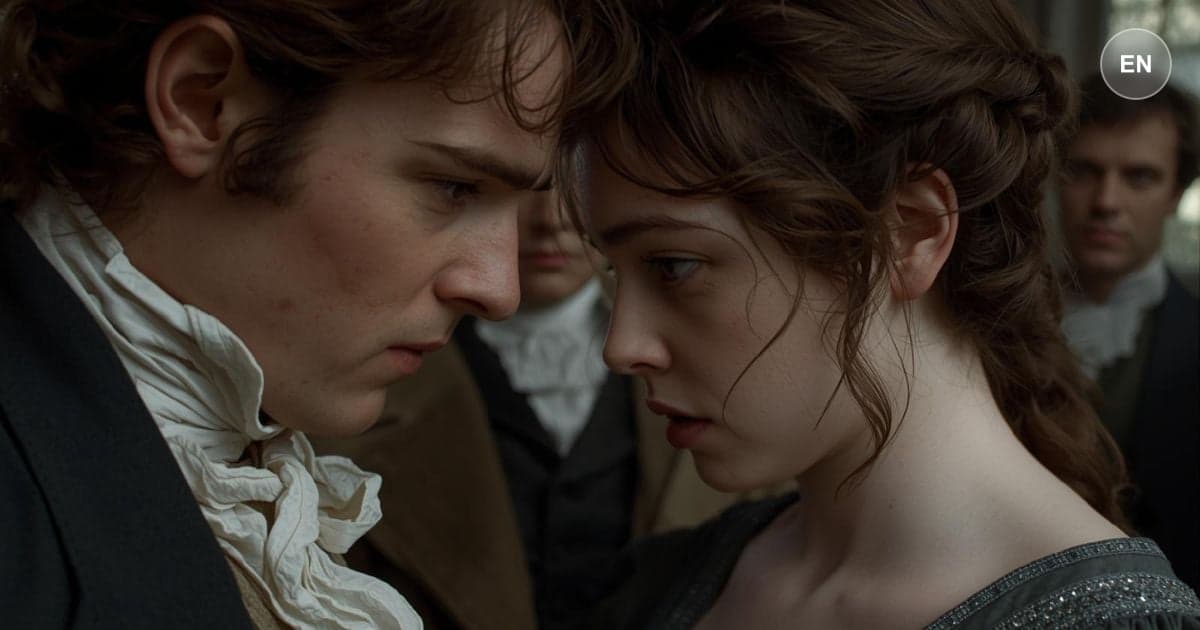
Emma tells herself that silly things stop looking silly when sensible people do them boldly. Frank Churchill's haircut trip begins to seem charming rather than foolish because she is inclined to excuse him. The moment matters because everyone in the room is watching how each person responds.
"Mr. Knightley must not marry!—You would not have little Henry cut out from Donwell?—Oh! no, no, Henry must have Donwell."
Context: Emma rejects Mrs Weston's matchmaking idea
Emma invokes inheritance to mask panic at losing Knightley's place in her life.
In Today's Words:
When Mrs Weston hints Mr Knightley might marry Jane Fairfax, Emma exclaims that he must not and that little Henry must inherit Donwell Abbey. She names the estate though her intensity suggests a deeper personal stake. The moment matters because everyone in the room is watching how each person responds.
"“That will do,” said he, when it was finished, thinking aloud—“you have sung quite enough for one evening—now be quiet."
Context: Knightley stops Jane Fairfax from singing further
Knightley notices exhaustion and acts while others perform concern. Emma reads kindness, not rivalry.
In Today's Words:
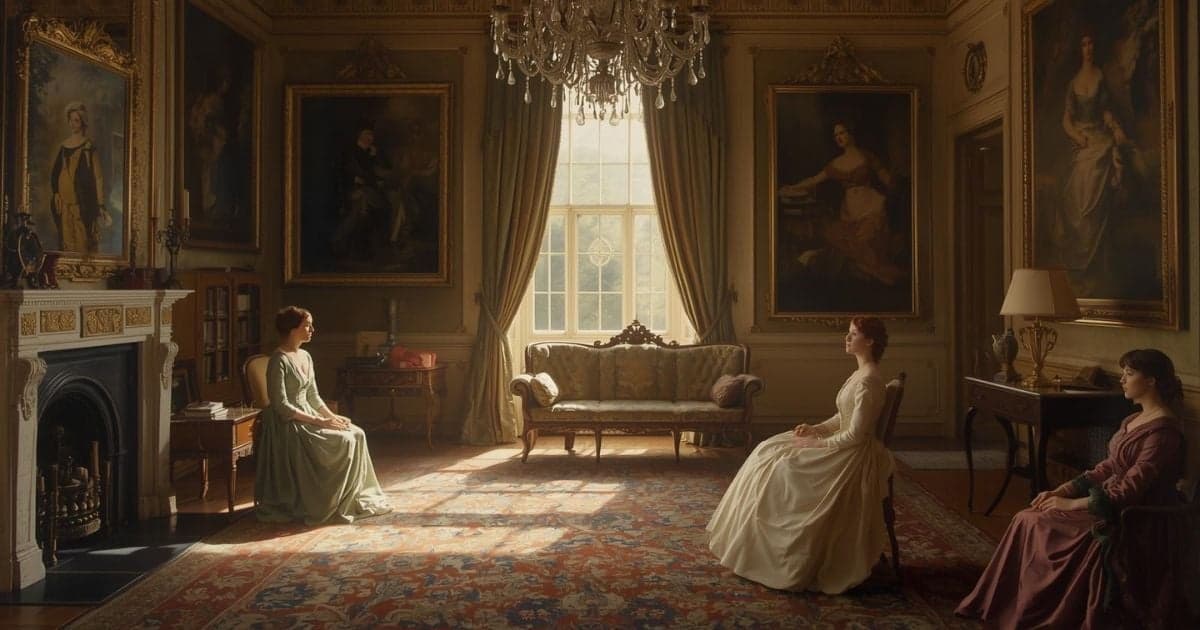
After Jane Fairfax sings, Mr Knightley says quietly that she has sung quite enough for one evening and should stop. He intervenes when Frank Churchill keeps pressing her to continue though her voice is growing strained. The moment matters because everyone in the room is watching how each person responds.
"I must have asked Miss Fairfax, and her languid dancing would not have agreed with me, after yours."
Context: Frank attends Emma to her carriage after dancing
Frank flatters Emma while slighting Jane, keeping both women in play with polished comparison.
In Today's Words:
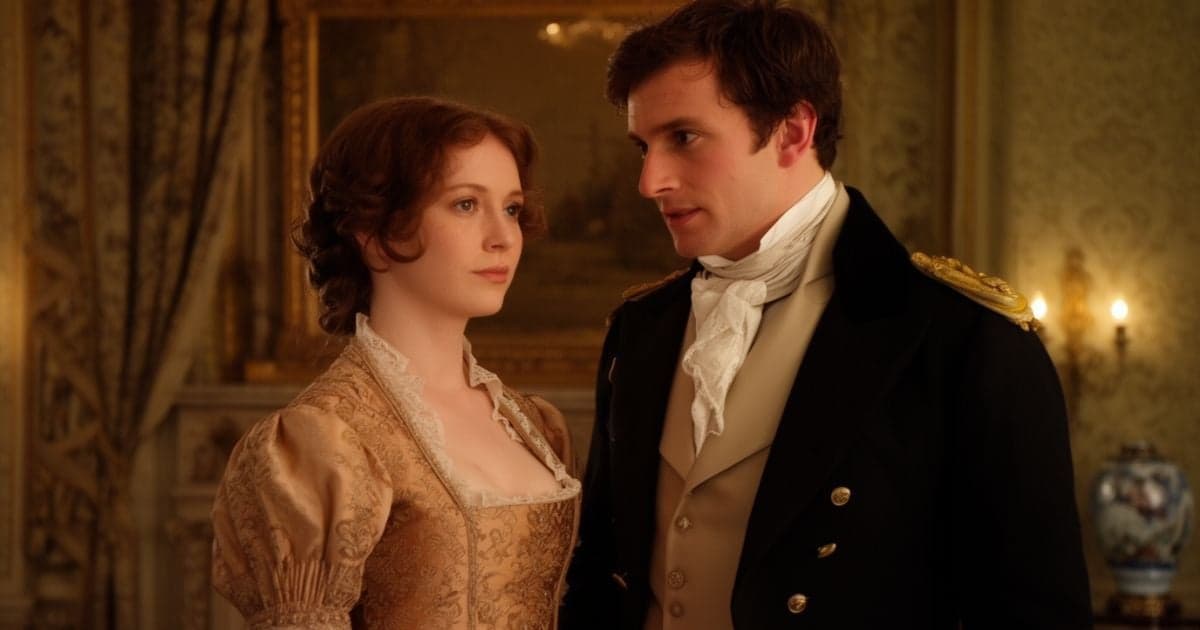
As Frank Churchill hands Emma to her carriage, he says he would have had to dance with Jane Fairfax but her tired dancing would not have suited him after Emma's. The compliment keeps Emma pleased while Jane is dismissed. The moment matters because everyone in the room is watching how each person responds.
Thematic Threads
Self-Deception
In This Chapter
Emma reframes Knightley's care for Jane as general kindness rather than romantic interest
Development
Evolved from earlier self-deception about Harriet and Elton to deeper denial about her own emotional stakes
In Your Life:
You might catch yourself explaining away a partner's changed behavior rather than addressing relationship issues directly.
Social Power
In This Chapter
Emma's horror at Knightley potentially marrying focuses on disrupting her nephew's inheritance rather than her own feelings
Development
Continues Emma's pattern of using class and family duty to justify personal desires
In Your Life:
You might find yourself opposing changes at work by citing policy rather than admitting you fear losing status.
Jealousy
In This Chapter
Emma's violent reaction to the suggestion of Knightley's interest in Jane reveals deeper possessiveness
Development
First clear indication of Emma's romantic feelings for Knightley, though she doesn't recognize them
In Your Life:
You might feel unexpectedly angry when a close friend or mentor gives attention to someone else.
Performance
In This Chapter
Emma performs adequately while Jane's superior talent shines, highlighting the gap between appearance and substance
Development
Continues the theme of Emma's surface accomplishments versus deeper qualities
In Your Life:
You might feel threatened when a colleague's genuine expertise overshadows your carefully cultivated image.
Protection
In This Chapter
Knightley intervenes when Frank pushes Jane to perform despite her fatigue
Development
Shows Knightley's consistent pattern of protecting the vulnerable, now focused on Jane
In Your Life:
You might notice who in your life consistently stands up for others, even when it's uncomfortable.
You now have the context. Time to form your own thoughts.
Discussion Questions
This is not a test. Five prompts guide you through the chapter, from how it opens to how it closes, so you notice context and rhythm rather than facts to memorize. Sit with each question in your own words. When you see "One way to read it," treat it as a starting point, not the only answer.
- 1
Why does Emma excuse Frank's haircut trip after seeing him again?
analysis • surfaceOne way to read it
She decides silly things cease to be silly when sensible people do them impudently, so confidence makes his conduct seem attractive rather than trifling.
- 2
How do Emma and Frank respond to Jane's mysterious pianoforte?
analysis • mediumOne way to read it
They smile, speculate about Mrs Dixon, and build a romance theory from Weymouth gossip while Frank admits he was there when Dixon caught Jane at a water party.
- 3
Why does Emma object so fiercely to Knightley marrying Jane?
application • mediumOne way to read it
She insists Henry must keep Donwell and calls the match imprudent, yet her violence suggests fear of losing Knightley's place more than concern for the estate alone.
- 4
How does Knightley differ from Frank toward Jane at the piano?
application • deepOne way to read it
When Frank urges more songs though Jane's voice thickens, Knightley tells her she has sung enough and sends Miss Bates to stop the performance.
- 5
When have you explained away a strong reaction with a reasonable excuse?
reflection • deepOne way to read it
One honest answer might recall Emma invoking little Henry when the thought of Knightley marrying disturbed her more than inheritance alone would explain.
Critical Thinking Exercise
Reality Check Audit
Think of a situation where you really want something to be true - a relationship, job prospect, or family dynamic. Write down all the evidence that supports your hopeful view, then all the evidence that contradicts it. Finally, ask yourself: what would a neutral observer conclude?
Consider:
- •Notice which list was easier to write - the supporting or contradicting evidence
- •Pay attention to how your body feels when writing the contradicting evidence
- •Consider what you might gain by facing the uncomfortable truth early
Journaling Prompt
Write about a time when you ignored warning signs because you wanted something to work out. What would you do differently now, knowing what you learned from that experience?
Coming Up Next...
Chapter 27: The Art of Self-Deception
Chapter IX finds Emma pleased with the Cole visit yet uneasy about gossiping to Frank, regretting her piano beside Jane's skill, and following Harriet to Ford's where Miss Bates's chatter reveals Knightley's spent apple store.