Chapter 12
Making Peace After the Fight
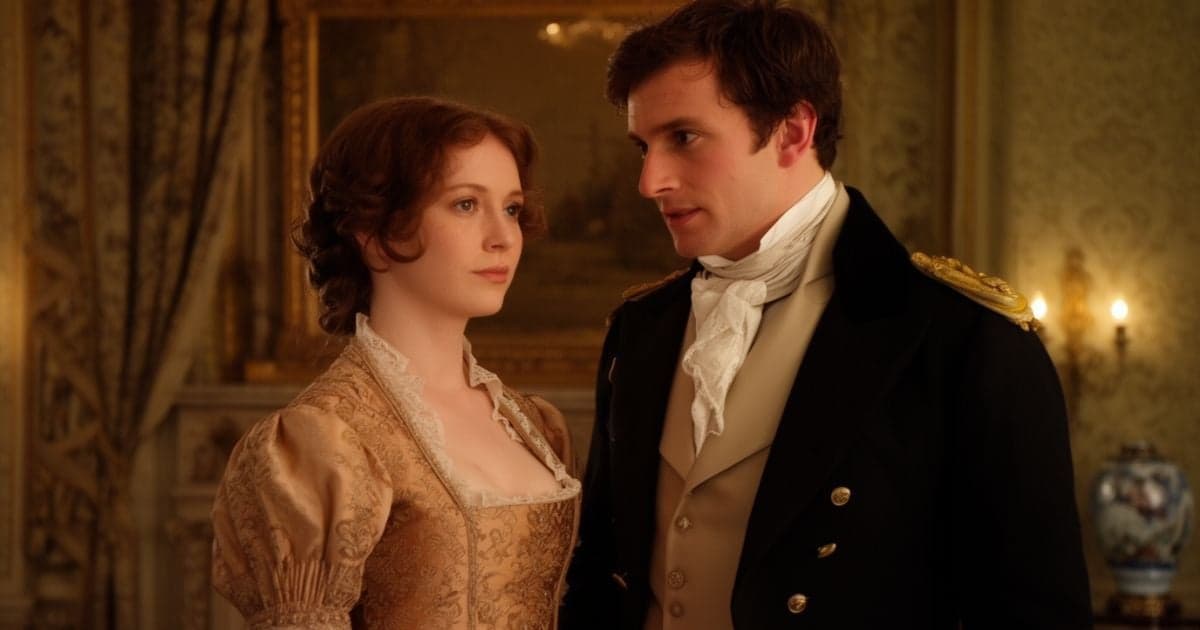
Mr. Knightley was to dine with them—rather against the inclination of Mr. Woodhouse, who did not like that any one should share with him in Isabella’s first day. Emma’s sense of right however had decided it; and besides the consideration of what was due to each brother, she had particular pleasure, from the circumstance of the late disagreement between Mr. Knightley and herself, in procuring him the proper invitation. She hoped they might now become friends again. She thought it was time to make up. Making-up indeed would not do. She certainly had not been in the wrong, and he…
Public-domain chapter text, formatted for reading.
Master this chapter. Complete your experience
Purchase the complete book to access all chapters and support classic literature
Available in paperback, hardcover, and e-book formats
Now let's explore the literary elements.
Key Quotes & Analysis
"Making-up indeed would not do. _She_ certainly had not been in the wrong, and _he_ would never own that he had."
Context: Emma realizes a formal reconciliation will not work because neither she nor Knightley will concede
Both value the friendship more than winning the argument, but pride blocks any honest accounting. Emma chooses performance over apology, which is how many real reconciliations actually happen.
In Today's Words:
A formal make-up was never going to work. She was sure she had been right about Harriet and Mr Martin, and he would never admit his lecture had been fair. So they would have to act as if the fight had faded without either one surrendering the point.
"Come, my dear Emma, let us be friends, and say no more about it."
Context: Knightley ends their banter about age and judgment by offering peace through silence
He names the shared goal directly while refusing to revisit the dispute. The line shows how authority and affection can coexist when someone chooses connection over being proven right.
In Today's Words:
Look, Emma, let us call a truce and drop this. He is not saying she was right about matchmaking, and he is not apologizing for calling her spoiled. He is asking them both to stop rehearsing the fight and return to the bond that matters more than the score.
"Nobody is healthy in London, nobody can be."
Context: Woodhouse insists Isabella's London life is inherently unhealthy despite her protests
Anxiety dresses itself as medical certainty. Woodhouse turns worry into universal law so he can keep criticizing choices he cannot control, especially Isabella's distance from Hartfield.
In Today's Words:
In his mind, city living is sickness by definition. Isabella can praise Brunswick Square's air all she wants, but her father hears only danger, separation, and proof that she should never have left home. His fear becomes a diagnosis everyone at the table must manage.
"If Mr. Perry can tell me how to convey a wife and five children a distance of an hundred and thirty miles with no greater expense or inconvenience than a distance of forty, I should be as willing to prefer Cromer to South End as he could himself."
Context: John's sarcastic reply after Woodhouse quotes Perry on Cromer versus South End
The joke exposes the real grievance beneath the medical debate. John is not asking for travel advice; he is refusing to let Perry, through Woodhouse, control decisions about cost, distance, and where his family may live.
In Today's Words:
John's dry challenge cuts through the polite anxiety. If Perry can magically move a wife and five children an extra ninety miles for the same money and trouble, fine, choose Cromer. Otherwise stop treating the doctor's seaside preference as a family command issued through his father-in-law.
Thematic Threads
Pride
In This Chapter
Both Emma and Mr. Knightley refuse to admit they were wrong, yet work carefully to repair their friendship
Development
Evolved from Emma's wounded pride in previous chapters to more sophisticated emotional navigation
In Your Life:
You might recognize this when you and a colleague find ways to work together again after a disagreement without either of you actually apologizing.
Authority
In This Chapter
Mr. Knightley positions himself as Emma's wise mentor due to their age gap, while she pushes back against his assumptions
Development
Continues the established dynamic of Knightley as moral authority figure, but Emma shows growing resistance
In Your Life:
You might see this in relationships where someone uses age, experience, or position to claim they know what's best for you.
Family Dynamics
In This Chapter
Mr. Woodhouse's anxious micromanaging of Isabella's life creates tension that everyone must carefully navigate
Development
Builds on earlier examples of Mr. Woodhouse's controlling anxiety, now extended to his married daughter
In Your Life:
You might recognize this in families where everyone walks on eggshells around one person's sensitivities or need to control.
Conflict Styles
In This Chapter
Different characters handle disagreement differently: Emma diplomatically, Mr. Woodhouse avoidantly, John Knightley directly
Development
Introduced here as a new way to understand character motivations and relationship patterns
In Your Life:
You might notice how your own conflict style affects your relationships and how others respond to disagreement.
Social Expectations
In This Chapter
The family gathering requires everyone to maintain harmony despite underlying tensions and competing needs
Development
Continues theme of social performance, but now focused on family rather than broader society
In Your Life:
You might see this at family gatherings where everyone pretends everything is fine while managing real frustrations and differences.
You now have the context. Time to form your own thoughts.
Discussion Questions
This is not a test. Five prompts guide you through the chapter, from how it opens to how it closes, so you notice context and rhythm rather than facts to memorize. Sit with each question in your own words. When you see "One way to read it," treat it as a starting point, not the only answer.
- 1
How do Emma and Mr Knightley restore their friendship without either admitting fault?
analysis • surfaceOne way to read it
She invites him, holds the baby as a neutral prop, trades banter about judgment and age, then shakes hands after he confirms Mr Martin is bitterly disappointed while neither concedes the Harriet argument.
- 2
Why does Mr Woodhouse's talk about South End, gruel, and Mr Perry dominate the evening with Isabella?
analysis • mediumOne way to read it
His anxiety turns every health choice into a verdict on her judgment, so Emma must keep redirecting while Isabella defends London air, Wingfield, and the children's recovery from a position of dutiful patience.
- 3
When have you seen a family gathering turn tense because one person kept quoting an expert or authority figure?
application • mediumOne way to read it
One honest parallel might resemble John's outburst when Woodhouse treats Perry's preferences as commands about Cromer, travel cost, and where a family may legitimately choose to live.
- 4
What does John Knightley's explosion about Mr Perry reveal about his place in the Woodhouse household?
application • deepOne way to read it
He is defending his right to judge for his own wife and children; the sarcasm about conveying five people a hundred and thirty miles shows the fight is about autonomy, not medicine.
- 5
When is letting a quarrel fade without a formal apology wise, and when does it become avoidance?
reflection • deepOne way to read it
Emma and Knightley's handshake works because both want the bond back, but Woodhouse's unresolved South End grievance shows how unspoken complaints can keep resurfacing until someone finally breaks the polite surface.
Critical Thinking Exercise
Map Your Own Repair Strategy
Think of someone important to you that you've had tension with recently. Write down three 'safe bridge topics' you could use to start rebuilding connection without forcing a direct apology. Consider what matters to both of you - shared concerns, mutual interests, or neutral ground where you naturally cooperate well.
Consider:
- •Choose topics that genuinely matter to both people, not just small talk
- •Look for areas where you naturally work well together or share common values
- •Consider whether the original issue actually needs to be resolved or if the relationship can heal around it
Journaling Prompt
Write about a time when someone extended this kind of graceful repair to you. How did it feel? What made it work or not work?
Coming Up Next...
Chapter 13: When Actions Don't Match Words
Mr Weston insists the whole party dine at Randalls on Christmas Eve, even persuading Mr Woodhouse to venture out. The night before, Harriet falls ill with a sore throat and cannot go, but Emma is about to learn how eagerly Mr Elton will still attend.