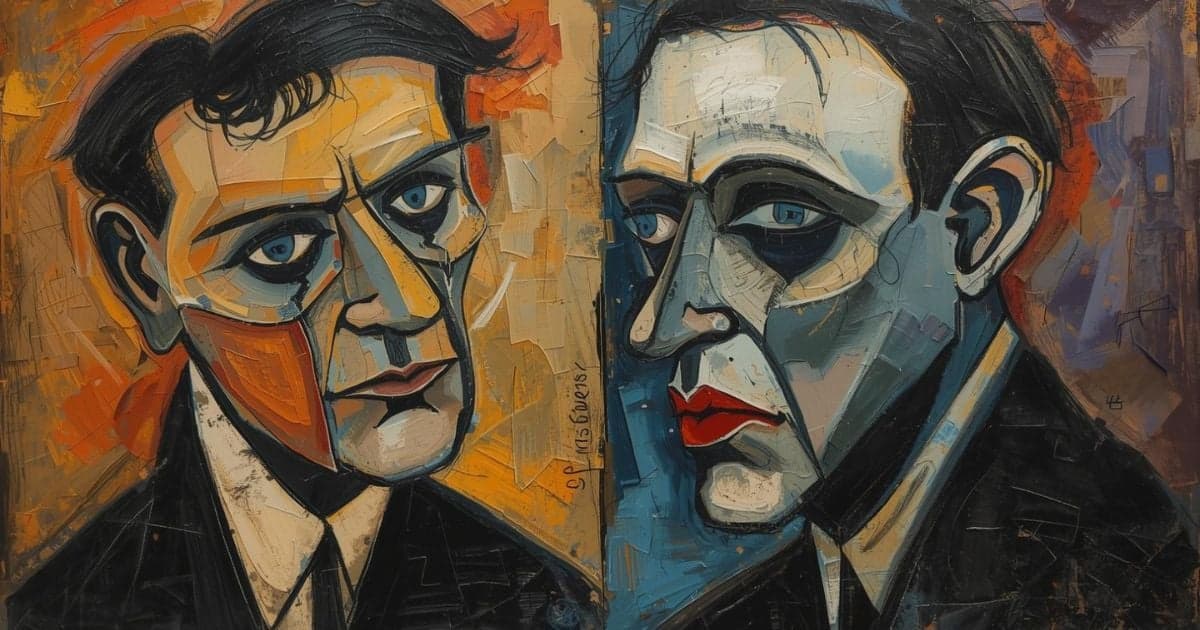
Mina's care for Lucy becomes a frontline struggle fought inside friendship, reputation, and limited vocabulary for threat. The graveyard bench scene, where Mina finds Lucy with a dark figure leaning over her, is the chapter's concrete hinge. Mina acts quickly to protect Lucy physically but withholds broader disclosure to avoid social fallout and disbelief. Seward's continued Renfield records add parallel evidence, but systems remain siloed. The synthesis is protective silence: tenderness and restraint, virtues in normal life, become liabilities when danger depends on repeated access and delayed reporting. The chapter captures the cost of carrying fear privately while trying to keep ordinary life intact. This chapter's central pattern, The Protective Silence Trap, is visible in concrete choices made by named characters rather than abstract themes. In the opening movement, Mina tries to protect Lucy as sleepwalking episodes pull her into dangerous night spaces, which establishes who has power over information, timing, and physical safety. In the middle movement, Mina finds Lucy in the graveyard with a dark figure bent over her on the bench, and that scene tests trust, authority, and the cost of delayed interpretation. In the closing movement, Mina keeps quiet to protect Lucy's reputation and Dracula gains operational room, which forces the group to convert fear into a specific action plan. The epistolary form matters because diaries, letters, reports, and testimonies preserve witness perspective, bias, and timing, giving readers a way to see both evidence and misreading. The chapter is strongest when read as synthesis: it links private emotion, social norms, and tactical consequences, showing how survival depends on shared truth under pressure. This chapter's central pattern, The Protective Silence Trap, is visible in concrete choices made by named characters rather than abstract themes. In the opening movement, Mina tries to protect Lucy as sleepwalking episodes pull her into dangerous night spaces, which establishes who has power over information, timing, and physical safety. In the middle movement, Mina finds Lucy in the graveyard with a dark figure bent over her on the bench, and that scene tests trust, authority, and the cost of delayed interpretation. In the closing movement, Mina keeps quiet to protect Lucy's reputation and Dracula gains operational room, which forces the group to convert fear into a specific action plan. The epistolary form matters because diaries, letters, reports, and testimonies preserve witness perspective, bias, and timing, giving readers a way to see both evidence and misreading. The chapter is strongest when read as synthesis: it links private emotion, social norms, and tactical consequences, showing how survival depends on shared truth under pressure. This chapter's central pattern, The Protective Silence Trap, is visible in concrete choices made by named characters rather than abstract themes. In the opening movement, Mina tries to protect Lucy as sleepwalking episodes pull her into dangerous night spaces, which establishes who has power over information, timing, and physical safety.