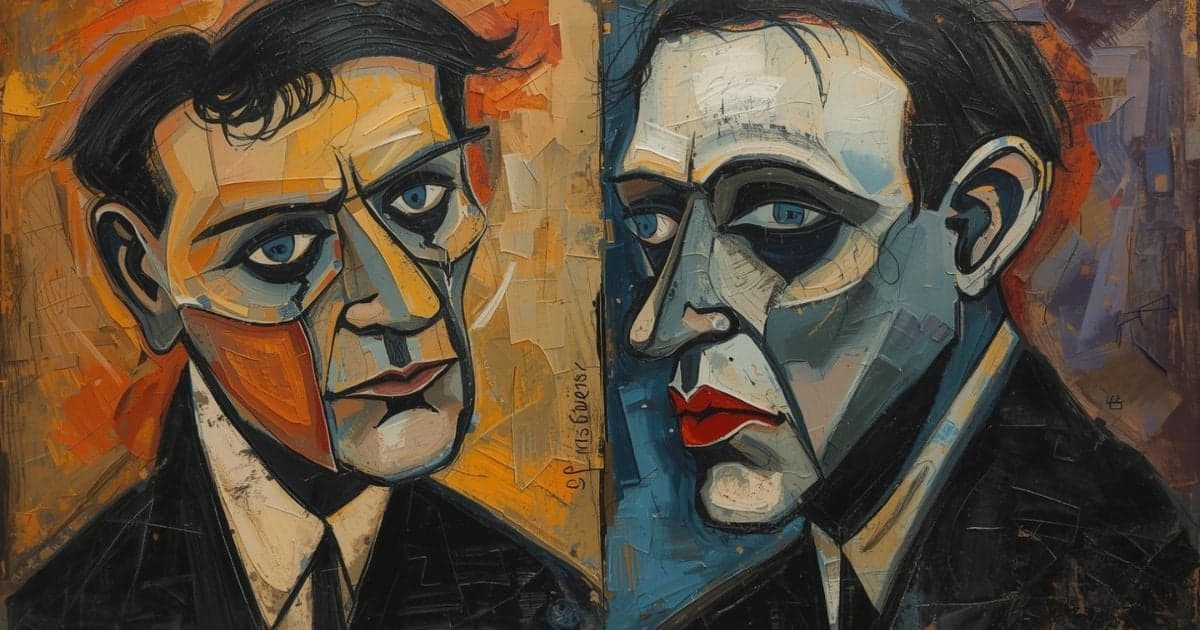
The war council formalises doctrine for confronting Dracula: track box logistics, exploit timing constraints, use sacred countermeasures, and maintain disciplined records. Yet the same meeting reveals internal contradiction. Mina is indispensable as analyst and organiser, but protective instincts push some men toward limiting her participation. The chapter synthesises protection paradox dynamics where concern becomes control and control becomes vulnerability. Stoker frames strategic competence as both technical and relational: a team that mismanages agency can sabotage itself even with good intelligence. Mission clarity improves, but unresolved gendered power choices foreshadow costly consequences if repeated under stress. This chapter's central pattern, The Protection Paradox, is visible in concrete choices made by named characters rather than abstract themes. In the opening movement, Van Helsing briefs the full team on vampire limits, strengths, and attack windows, which establishes who has power over information, timing, and physical safety. In the middle movement, Mina's value is obvious, but the men debate protecting her by limiting access, and that scene tests trust, authority, and the cost of delayed interpretation. In the closing movement, mission doctrine is set while internal agency tensions remain unresolved, which forces the group to convert fear into a specific action plan. The epistolary form matters because diaries, letters, reports, and testimonies preserve witness perspective, bias, and timing, giving readers a way to see both evidence and misreading. The chapter is strongest when read as synthesis: it links private emotion, social norms, and tactical consequences, showing how survival depends on shared truth under pressure. This chapter's central pattern, The Protection Paradox, is visible in concrete choices made by named characters rather than abstract themes. In the opening movement, Van Helsing briefs the full team on vampire limits, strengths, and attack windows, which establishes who has power over information, timing, and physical safety. In the middle movement, Mina's value is obvious, but the men debate protecting her by limiting access, and that scene tests trust, authority, and the cost of delayed interpretation. In the closing movement, mission doctrine is set while internal agency tensions remain unresolved, which forces the group to convert fear into a specific action plan. The epistolary form matters because diaries, letters, reports, and testimonies preserve witness perspective, bias, and timing, giving readers a way to see both evidence and misreading. The chapter is strongest when read as synthesis: it links private emotion, social norms, and tactical consequences, showing how survival depends on shared truth under pressure. This chapter's central pattern, The Protection Paradox, is visible in concrete choices made by named characters rather than abstract themes. In the opening movement, Van Helsing briefs the full team on vampire limits, strengths, and attack windows, which establishes who has power over information, timing, and physical safety.