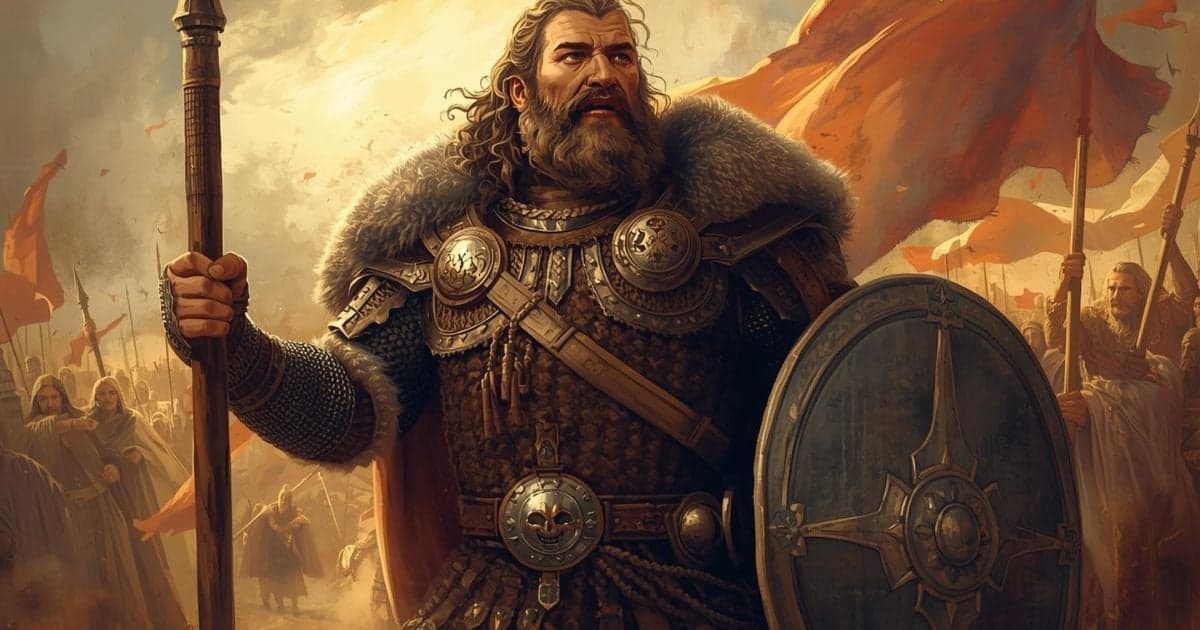
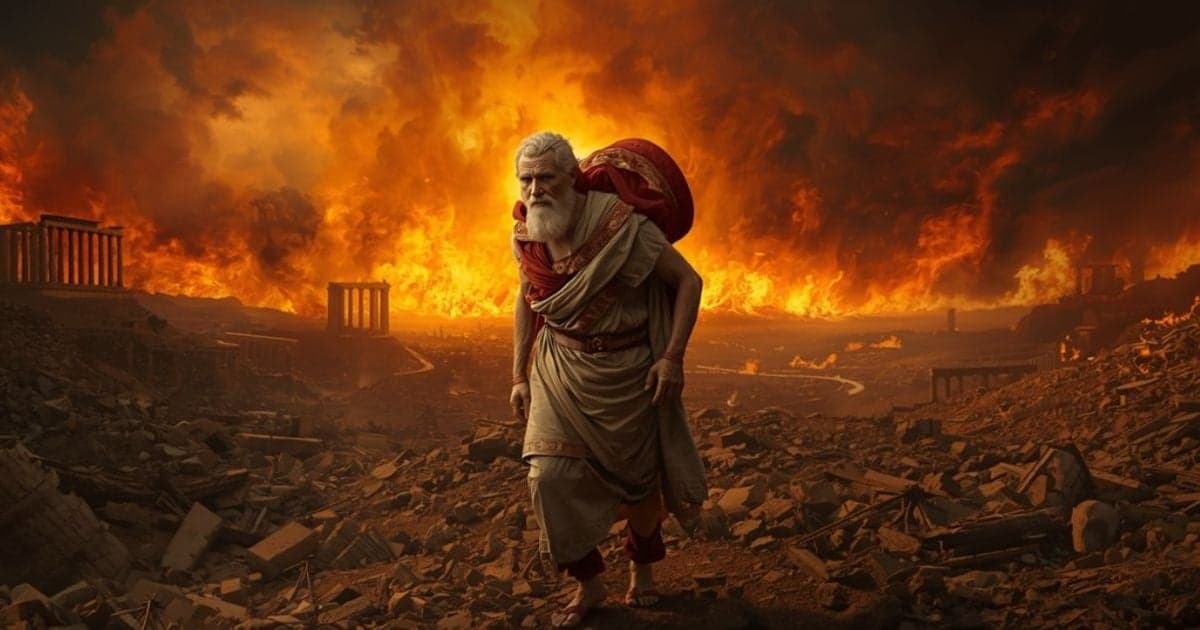
Wiglaf ventures into the dragon's treasure-filled den, finding ancient gold, cups, helmets, and weapons scattered throughout the cavern. The dragon is dead, killed by Beowulf's final blow. Wiglaf gathers as much treasure as he can carry and rushes back to his dying king.
He finds Beowulf barely alive, blood flowing from his wounds. When Beowulf sees the treasure, his face lights up with joy, not from greed, but from knowing his people will be provided for after his death. In his final moments, Beowulf gives Wiglaf specific instructions: build a great burial mound on the coast that sailors can see from far away, so his name and deeds will be remembered.
He removes his golden ring, helmet, and armor, passing them to Wiglaf as symbols of leadership. With his last breath, Beowulf tells Wiglaf he is the final survivor of their royal bloodline and that fate has called all his kinsmen to glory.
This isn't just a death scene, it's a masterclass in how to face your end with dignity and purpose. Beowulf transforms his death from a tragedy into a victory by ensuring his sacrifice has meaning. He secures treasure for his people, establishes his legacy, and passes leadership to someone worthy. His final act shows that true heroism isn't about living forever, but about making your life count for something bigger than yourself.
Coming Up in Chapter 39
With Beowulf dead and the treasure secured, Wiglaf must now face the hardest task of all, returning to tell the Geats that their great king is gone. How do you deliver news that will change everything?