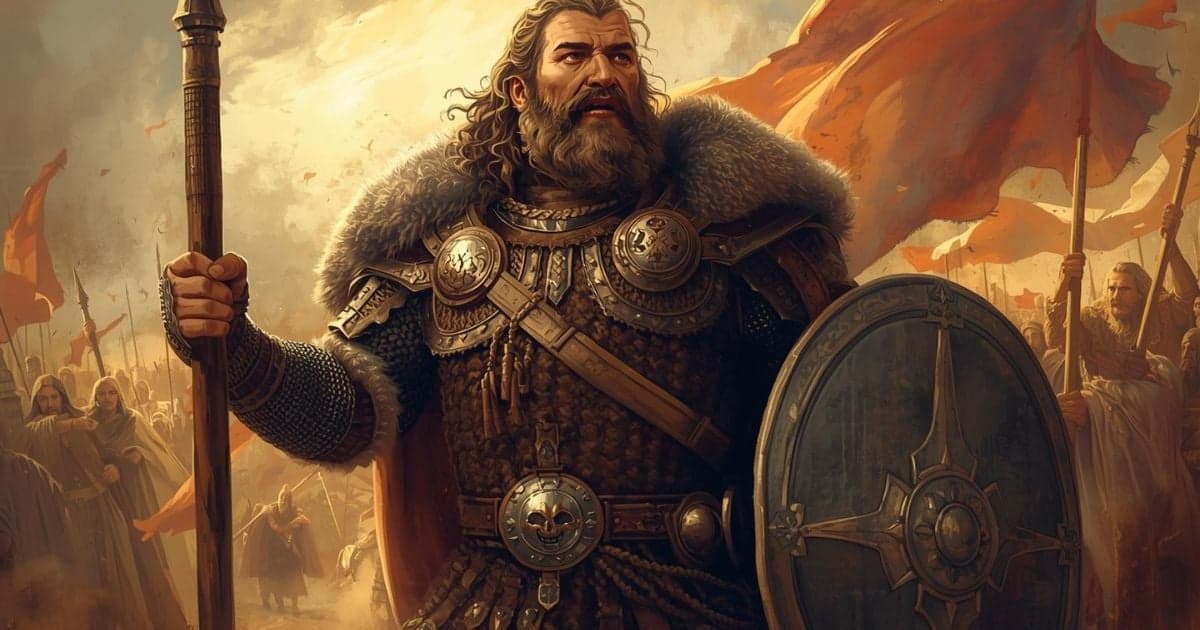
While Beowulf's other warriors flee in terror, young Wiglaf stands firm. He remembers everything Beowulf gave him, land, weapons, honor, and refuses to abandon his lord now. This isn't just about duty; it's about gratitude and integrity. Wiglaf shames the other warriors, reminding them of their promises made over mead cups in better times.
He'd rather die fighting beside Beowulf than live as a coward. When Wiglaf joins the battle, Beowulf strikes the dragon with his famous sword Nægling, but the blade shatters. His strength is so great that no weapon can withstand it, a cruel irony that his very power destroys the tools he needs. The dragon, now in its third attack, seizes Beowulf by the neck with poisonous fangs, and blood flows freely.
This chapter shows us the difference between fair-weather friends and true allies. When the stakes are highest and the outcome uncertain, most people disappear. But rare individuals like Wiglaf step forward, not because they're fearless, but because their values matter more than their safety. His loyalty isn't blind, he knows this might be a suicide mission.
But he also knows that some things are worth dying for, and abandoning someone who believed in you isn't an option. The breaking of Beowulf's sword symbolizes how even our greatest strengths can become liabilities, and how we sometimes need others most when we appear strongest.
Coming Up in Chapter 37
With Beowulf wounded and bleeding from the dragon's venomous bite, only Wiglaf stands between the hero and certain death. The young warrior must prove that loyalty means more than just standing by someone, sometimes it means taking action when they can't.