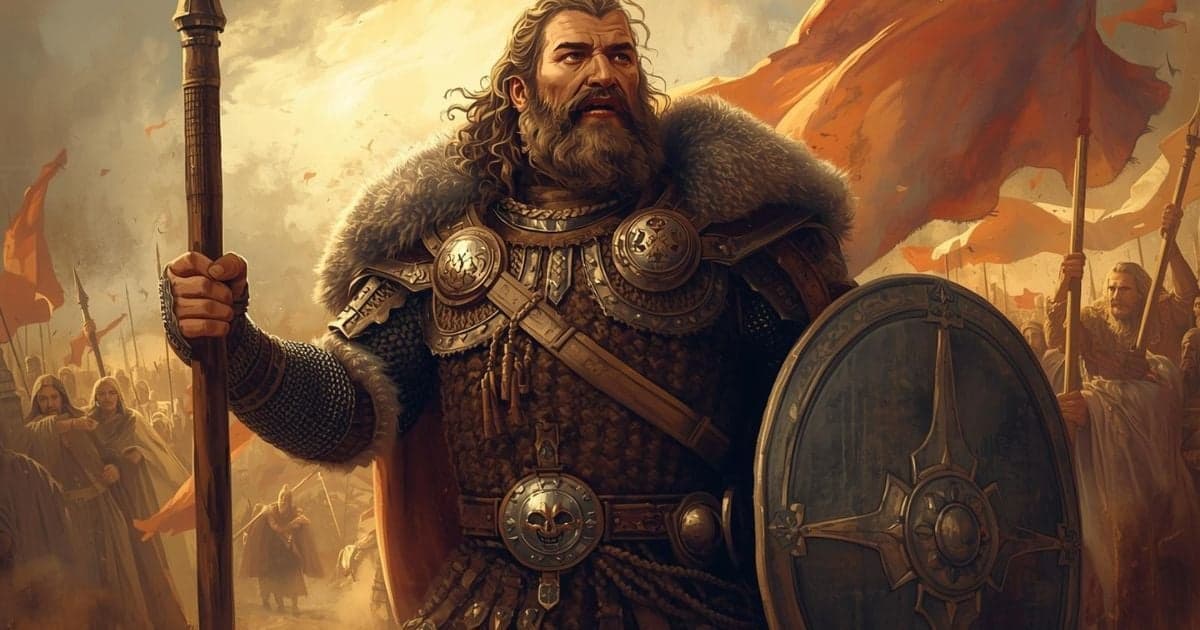
As night falls on Heorot, King Hrothgar retires, leaving the hall in Beowulf's capable hands. This moment reveals Beowulf's remarkable character, he's confident but not reckless. He removes his armor and weapons, declaring he'll fight Grendel with bare hands only, matching the monster's natural weapons. This isn't bravado; it's strategic thinking. Beowulf recognizes that true strength comes from within, not from external tools.
He also demonstrates profound wisdom by acknowledging that God will ultimately decide the outcome. His Geatish warriors settle in for what they believe may be their last night alive. They've heard the stories of Grendel's massacres and know the odds. Yet they stay loyal to their leader, showing the bonds that hold communities together in crisis.
The chapter builds tension masterfully, while the warriors sleep, one remains awake and watchful. Meanwhile, in the darkness beyond the hall, Grendel begins his approach. The poet emphasizes that God governs all outcomes, but humans must still act with courage. This balance between divine providence and human responsibility reflects how we navigate uncertainty in our own lives.
We prepare, we act with integrity, and we accept that some things remain beyond our control. The chapter teaches us about facing our fears with both preparation and faith, whether we're dealing with workplace conflicts, family crises, or personal challenges that seem insurmountable.
Coming Up in Chapter 12
Night settles on Heorot as the Geats sleep armed on the benches, one warrior awake on watch. Grendel is already moving from the fen toward the horned hall, and the fight both sides have waited for is finally about to begin.